What to do: Start by increasing your water intake to rule out dehydration. If you’re taking medications or supplements, check if they list orange urine as a side effect. If the color persists for a few days without an obvious cause, or if you feel unwell, a healthcare provider can help clarify what’s going on.
 Blue or Green: A Rare and Surprising Hue
Blue or green urine sounds like something out of a sci-fi movie, but it’s rare and usually harmless. Food dyes, certain medications (like methylene blue), or specific medical conditions can cause this unusual color.
What to do: Think back to anything you’ve eaten or taken recently, like brightly colored candies or medications. If the color continues and you can’t pinpoint a cause, it’s worth a call to your doctor to explore further. This shade is uncommon, so it’s smart to double-check.
 Foamy or Bubbly: A Subtle Sign to Notice
Occasional bubbles in your urine are normal, often caused by a strong stream or certain soaps. However, consistently foamy urine could suggest excess protein, which might point to kidney issues or other health concerns.
What to do: If the foam is a one-off, there’s likely no need to worry. But if it’s a regular occurrence, especially alongside swelling, fatigue, or other symptoms, mention it to your doctor. A simple test can check for protein levels and give you peace of mind.
 Why Paying Attention to Urine Color Boosts Your Wellness
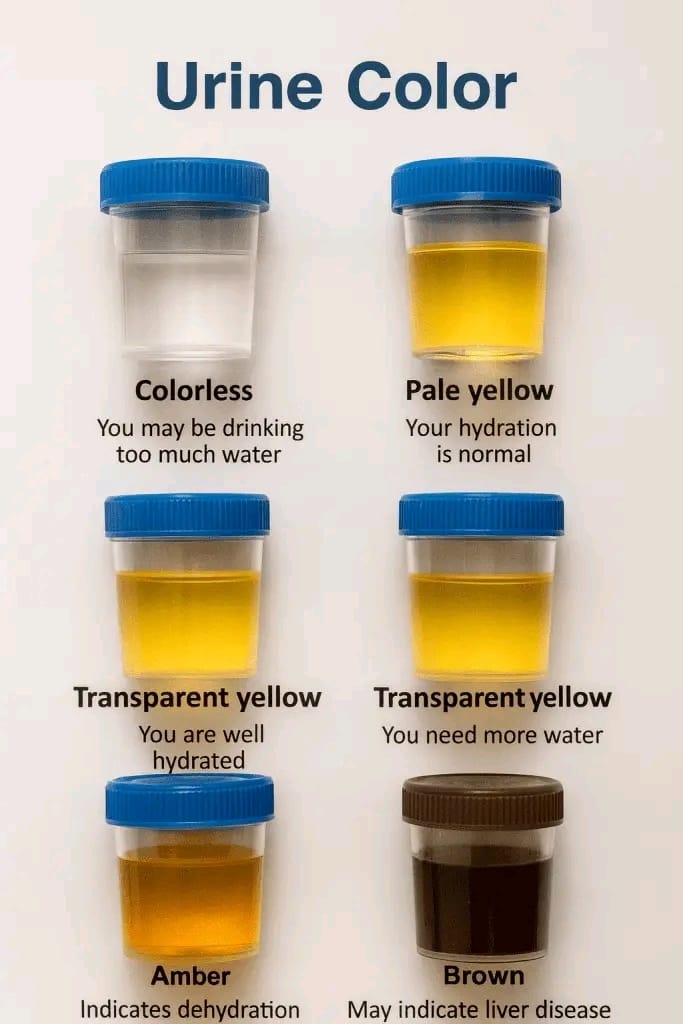
Your urine color is more than just a quirk—it’s a daily check-in with your body’s needs. By noticing these subtle shifts, you can catch early signs of dehydration, dietary imbalances, or potential health issues before they escalate. This small act of awareness empowers you to make simple, proactive choices, like drinking more water, tweaking your diet, or seeking medical advice when needed.
Practical tips to stay in tune:
