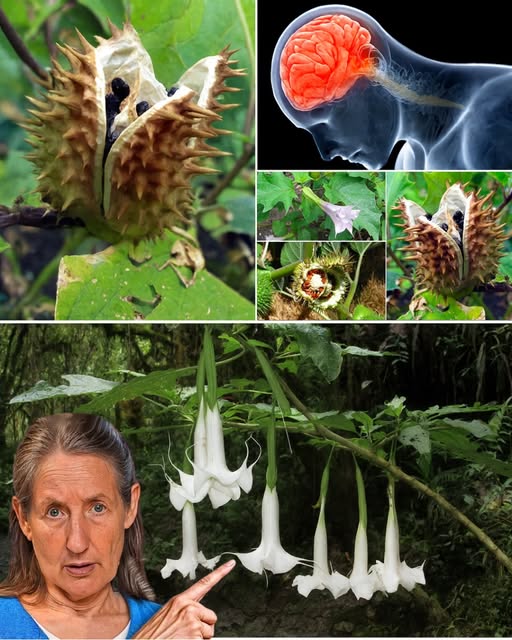
Step into the mysterious world of Datura stramonium, a plant that captivates with its haunting beauty and chills with its potent toxicity. Known by many names—thorn apple, jimsonweed, devil’s trumpet—this enigmatic member of the nightshade family has woven itself into the fabric of botany, folklore, and human curiosity for centuries. Its striking flowers and spiky seed pods beckon the adventurous, while its dangerous alkaloids demand respect. Ready to uncover the secrets of this botanical paradox? Let’s dive into the allure and peril of Datura stramonium.
🌸 A Plant of Striking Beauty and Hidden Danger
At first glance, Datura stramonium is a vision of elegance. Its trumpet-shaped flowers, often glowing white or soft purple, unfurl at dusk, releasing a sweet yet heavy fragrance that lingers in the air. But beneath this beauty lies a darker truth: every part of the plant—leaves, flowers, seeds, and roots—harbors potent toxins that can ensnare the unwary. Found in disturbed soils like roadsides, pastures, and abandoned lots, this plant thrives in the margins of human activity, as if daring us to notice its dual nature.
Native to the Americas, Datura stramonium has spread across the globe, adapting to diverse climates and terrains. Its resilience is matched only by its mystique, making it a subject of fascination for botanists, herbalists, and storytellers alike. Whether you’re drawn to its striking appearance or intrigued by its historical significance, one thing is clear: this plant is not to be underestimated.
🌱 Botanical Brilliance: The Anatomy of Datura Stramonium
To truly appreciate Datura stramonium, let’s explore its defining features:
Height: Reaching up to 1.5–2 meters, it stands tall and commanding in any landscape.
Leaves: Broad, dark green, with jagged, irregular lobes that give it a wild, untamed look.
Flowers: Trumpet-shaped blooms, often white or pale purple, that open at night, exuding a captivating fragrance that lures pollinators—and curious humans.
Seed Pods: Spiny, oval capsules, earning the name “thorn apple,” which burst open when mature to release countless small, black seeds.
