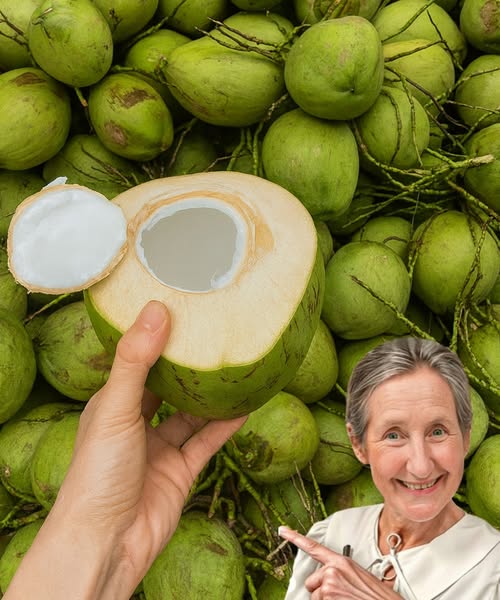
Coconut water is celebrated as nature’s ultimate hydration drink, brimming with electrolytes, vitamins, and a refreshing tropical taste. It’s a go-to for post-workout recovery or a hot summer day. But is it as perfect as it seems? Before you pop open that coconut, there are critical facts you need to know to enjoy it safely and maximize its benefits. From potential risks to its powerful perks, this guide will change how you sip this trendy beverage. Ready to dive into the truth about coconut water? Let’s uncover what you need to know.
🌴 What is Coconut Water?
Coconut water is the clear liquid found inside young, green coconuts—not to be confused with creamy coconut milk, which is made from blended coconut flesh. Low in calories and naturally sweet, it’s packed with electrolytes like potassium, sodium, and magnesium, making it a favorite for hydration and recovery. But there’s more to this tropical drink than meets the eye. Here are six key facts to understand before you take a sip.
✨ 6 Essential Facts About Coconut Water
Not Ideal for Everyone
Coconut water’s high potassium content is a blessing for most, but for those with kidney issues, it can be risky. Excess potassium may lead to hyperkalemia, a condition where blood potassium levels spike, potentially causing heart or muscle issues.
What to Do: If you have kidney disease or impaired kidney function, consult your doctor before drinking coconut water.
High Potassium Requires Caution
With more potassium than a banana, coconut water supports heart health and muscle function. But too much can disrupt electrolyte balance, especially if you’re on medications like ACE inhibitors or potassium-sparing diuretics.
What to Do: Stick to 1–2 cups daily and monitor your potassium intake from other foods like bananas or spinach.
May Cause Digestive Discomfort
While gentle for most, coconut water’s fiber content can cause bloating or diarrhea if overconsumed, especially for those with sensitive stomachs.
What to Do: Start with a small serving (4–8 oz) and see how your body reacts before increasing intake.
