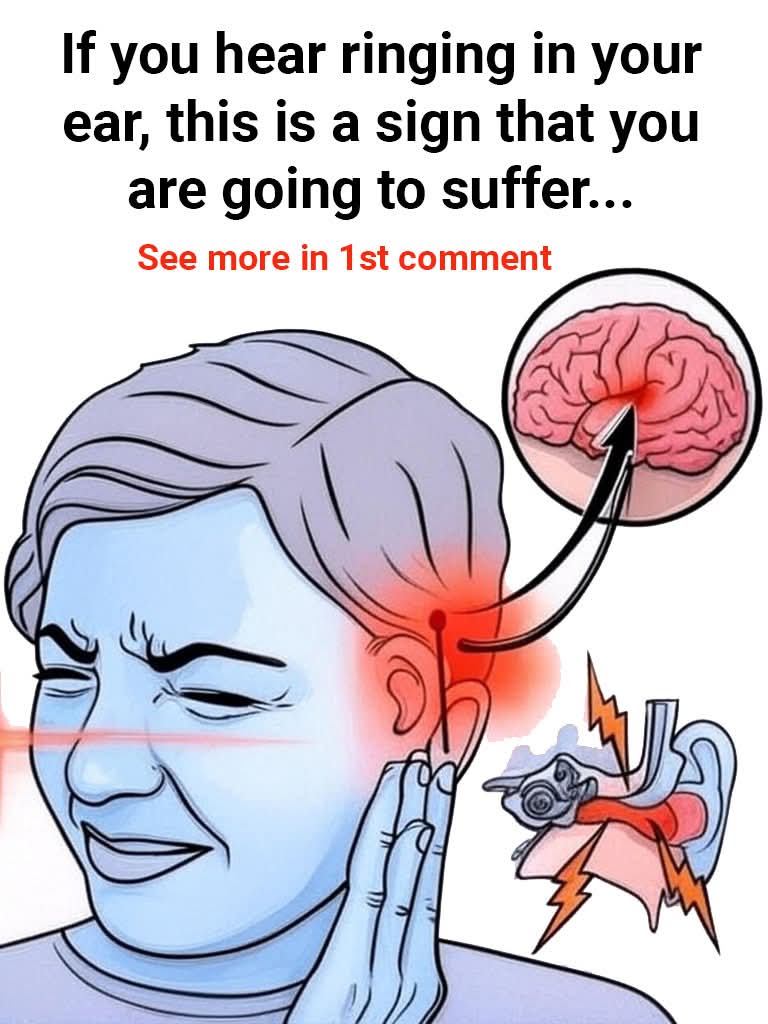
Tinnitus — the perception of sound (like ringing, buzzing, or hissing) in the absence of an external source — is not just an ear problem; it’s closely connected to how the brain processes sound.
It can affect one or both ears, and the sound can be constant or intermittent, loud or soft, and mildly annoying to severely disabling.
Tinnitus can have a profound effect on the brain, especially when it’s chronic or severe. Although tinnitus starts in the ears, its ongoing perception and impact are mainly due to how the brain reacts and adapts to the abnormal signals.
How Tinnitus Affects the Brain:
1. Changes in Auditory Processing
The brain tries to compensate for lost or reduced input from the ear (e.g., due to hearing loss).
This compensation creates hyperactivity in the auditory cortex, which may lead to the constant perception of phantom sounds (ringing, buzzing, hissing, etc.).
2. Involvement of Non-Auditory Brain Regions
Tinnitus activates and affects several brain regions outside the hearing system
3. Negative Feedback Loop
Tinnitus often creates a vicious cycle
Tinnitus → Brain interprets as threat → Stress increases → Brain focuses more on tinnitus → Tinnitus worsens
This loop explains why tinnitus can be so mentally exhausting and emotionally overwhelming for many people.
