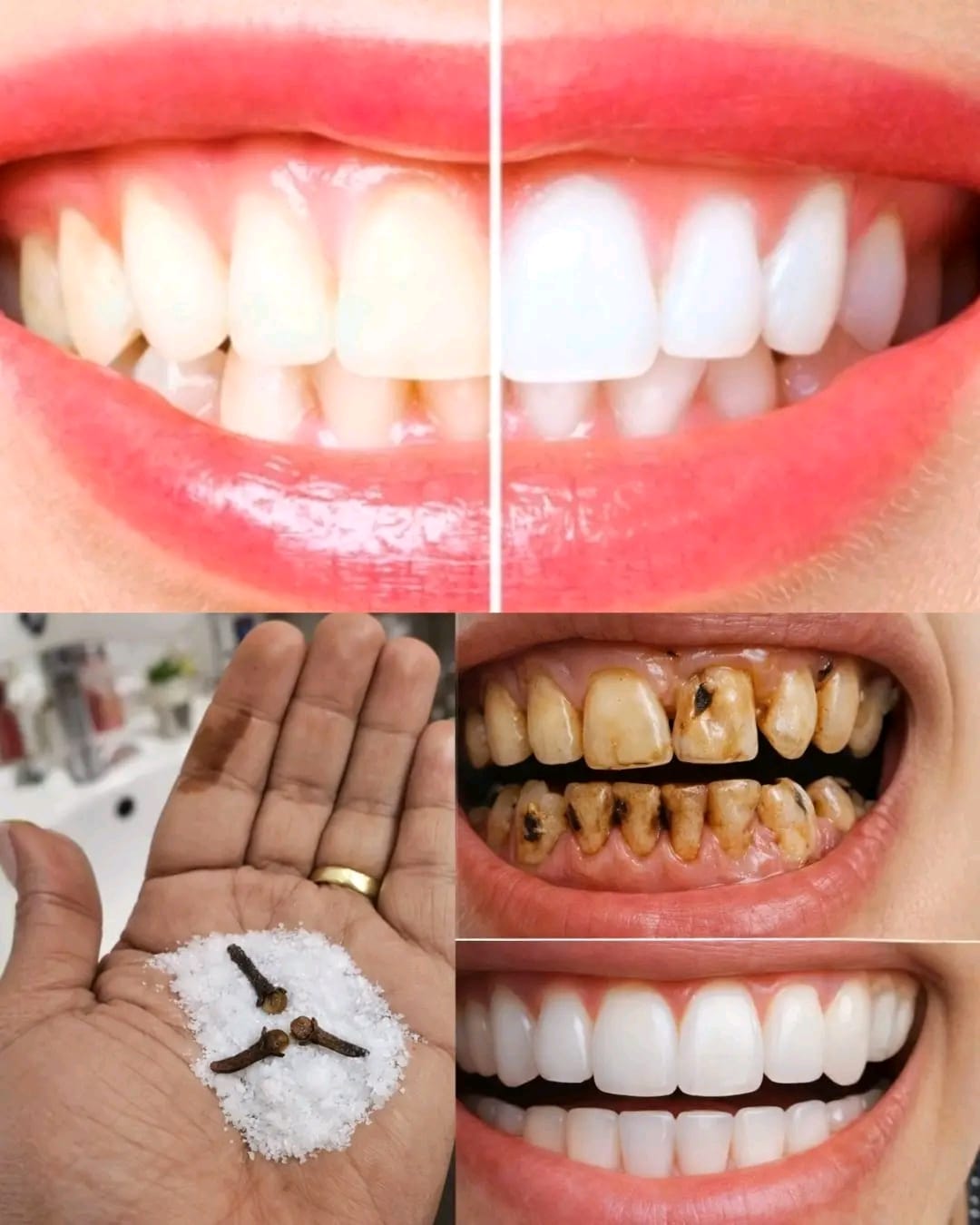
Supporting your routine with natural elements can promote fresher-feeling teeth—but these are adjuncts, not replacements, for dentist-recommended care.
1. Orange Peel Rubbing: A Citrus-Based Gentle Polish

Rubbing the inner white pith of a fresh orange peel on teeth for 1-2 minutes before rinsing is a popular home method. Some lab studies indicate citrus compounds, including those in orange peels, may show antimicrobial effects against oral bacteria in extracts.
How to try it: Gently rub the pith side on teeth after brushing, then rinse thoroughly. Use sparingly to avoid overexposure to natural acids.
Caution: Citrus acidity can potentially weaken enamel over time if used excessively, so limit frequency and consult your dentist.
2. Incorporating Tomatoes for Nutrient Support
Fresh tomatoes provide vitamin C and antioxidants like lycopene. Vitamin C supports gum tissue health, and some evidence links higher intake to reduced inflammation.
Practical tip: Eat raw tomato slices in salads or meals daily. For occasional gentle use, lightly rub a slice on teeth before rinsing—but prioritize eating them as part of a balanced diet.
This food-based approach adds nutrients without direct abrasion.
3. Baking Soda and Salt Paste: Mild Abrasive Combo

Baking soda (sodium bicarbonate) is a gentle abrasive that neutralizes acids and helps remove surface plaque. Research, including systematic reviews, supports baking soda-containing products for better plaque control compared to non-baking soda options in some studies.
Step-by-step: Mix a pinch of baking soda with a dash of fine salt into a paste. Brush gently 2-4 times per week, then follow with regular fluoride toothpaste and thorough rinsing.
Key safety: Use moderation—overuse may wear enamel. Always pair with fluoride for remineralization.
4. Diluted Lemon Juice Rinse: Use with Extreme Caution
Fresh lemon juice offers citric acid that may disrupt some bacteria in diluted form.
How to use (sparingly): Dilute 1 part lemon juice with 3 parts water, swish for 30-60 seconds 1-2 times weekly, then rinse well. Never brush immediately after—wait at least 30 minutes.
Important warning: High acidity risks enamel erosion, as multiple sources highlight potential damage from frequent citrus exposure. Many experts advise against regular use.
5. Coconut Oil Pulling: Traditional Antimicrobial Support
Swishing coconut oil (oil pulling) leverages lauric acid’s potential antimicrobial properties. Clinical studies, including randomized trials, have shown reductions in plaque scores and bacterial load with coconut oil pulling.
Daily routine: Take 1 tablespoon of coconut oil, swish for 10-15 minutes (start shorter if new), then spit and rinse/brush.
Note: Don’t swallow the oil. It’s a complementary habit for many.
6. Sesame Seed Chewing: Natural Gentle Scrub

Chewing a handful of raw sesame seeds for 2-3 minutes provides mild mechanical polishing from natural abrasives.
Simple method: Chew thoroughly, spit out residue, then brush as usual. Traditional use suggests it helps with surface cleaning.
