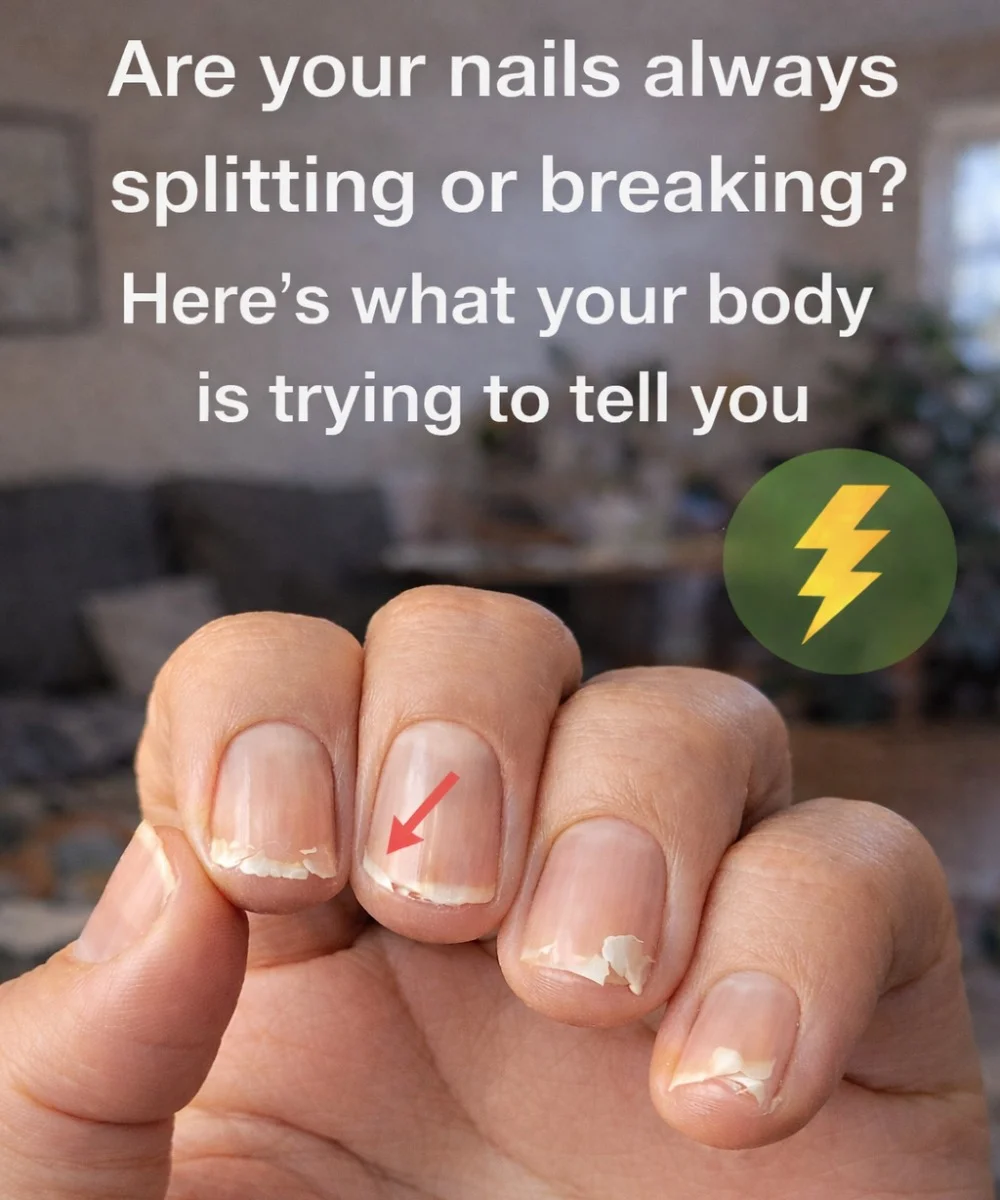
You glance at your hands and notice yet another split nail, jagged and frustrating after something as simple as opening a door. It’s not just inconvenient—it can make your fingers tender and leave you feeling self-conscious when shaking hands or typing away at work. These ongoing breaks might feel like a small annoyance, but they could point to everyday habits, nutrition gaps, or other factors worth paying attention to. I know how discouraging this can be when it keeps happening. The encouraging part? Many people see real improvement with a few practical changes. Stay with me, because toward the end I’ll share one surprisingly simple daily habit that can make a noticeable difference in nail strength.
Why Do Nails Become Brittle and Prone to Splitting?
Brittle nails, medically known as onychoschizia, affect up to 20% of the population, with women noticing it more often, especially after age 50, according to dermatology reviews.
The nails may split horizontally at the tips, peel in layers, or break easily with little force.
Here’s the key: nails are made mostly of keratin, the same tough protein found in hair and skin. When the keratin structure weakens, nails lose flexibility and become fragile.
The good news is that most causes are related to daily life and can often be addressed.
But that’s not the whole story. Let’s look at some common habits that play a big role.
Everyday Habits That Can Weaken Nails
Think about how often your hands come into contact with water throughout the day. Frequent hand washing, especially with hot water and harsh soap, removes the natural oils that help keep nails supple. Over time, this drying effect leads to cracks and splits.
It doesn’t stop there. Household cleaners, acetone-based nail polish removers, and even low-humidity indoor air can make things worse. Research shows that repeated cycles of getting wet and then drying out cause the nail layers to expand and contract, increasing brittleness.
Many people also find that frequent manicures contribute. Gel or acrylic applications can thin the natural nail if removal isn’t gentle.
If chores or beauty routines sound familiar, these could be factors for you.
Aging and Lifestyle Factors That Influence Nail Strength
As we get older, nail growth naturally slows, and the plates often become thinner and less elastic. This can lead to more ridges, splitting, and breaking. Hormonal shifts during menopause may reduce the nails’ ability to retain moisture, health experts note.
