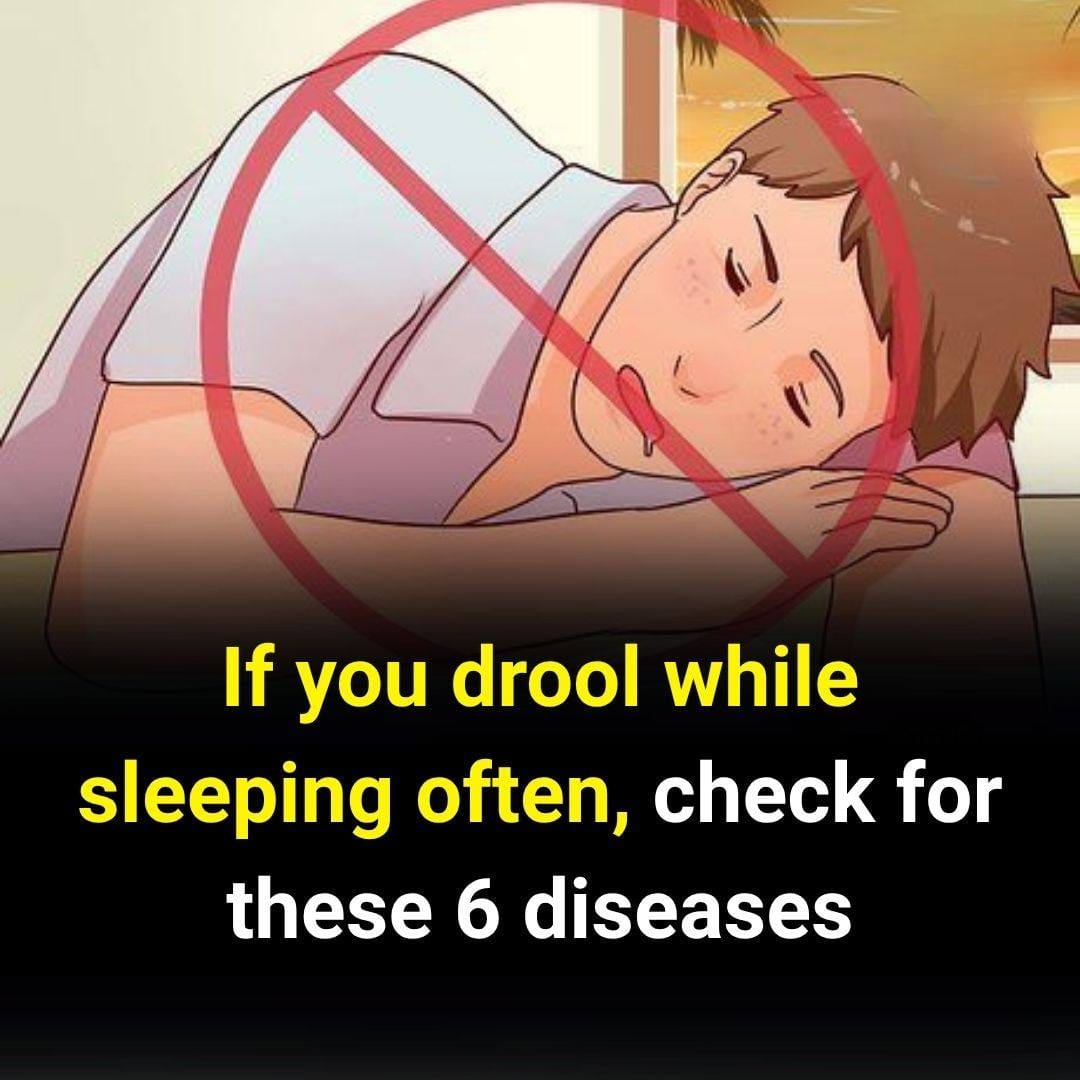
Drooling while sleeping is usually harmless — and very common — but frequent or excessive drooling can sometimes point to something worth paying attention to. Here are the main reasons and when it may need care:
Common & Harmless Reasons
-
Sleeping position (sleeping on your side or stomach lets saliva pool).
-
Nasal congestion from colds, allergies, or sinus issues.
-
Deep sleep (your muscles are fully relaxed, including those controlling saliva).
When It Might Be a Warning Sign
If drooling happens often or suddenly increases, consider these possibilities:
1. Mouth Breathing
If your nose is blocked long-term (allergies, deviated septum, sinusitis), you breathe through your mouth, causing drooling.
2. Acid Reflux (GERD)
Excess stomach acid can trigger more saliva production, especially at night.
3. Sleep Apnea
People with sleep apnea often drool and wake up tired, choke or gasp in sleep, or snore loudly. If this fits you, it should be checked.
4. Neurological Conditions (less common)
If drooling is new and comes with trouble swallowing, facial weakness, or speech changes, it can be related to nerve or muscle issues and needs urgent evaluation.
5. Dental Issues
Misaligned teeth or infections can affect how well the mouth closes at night.
