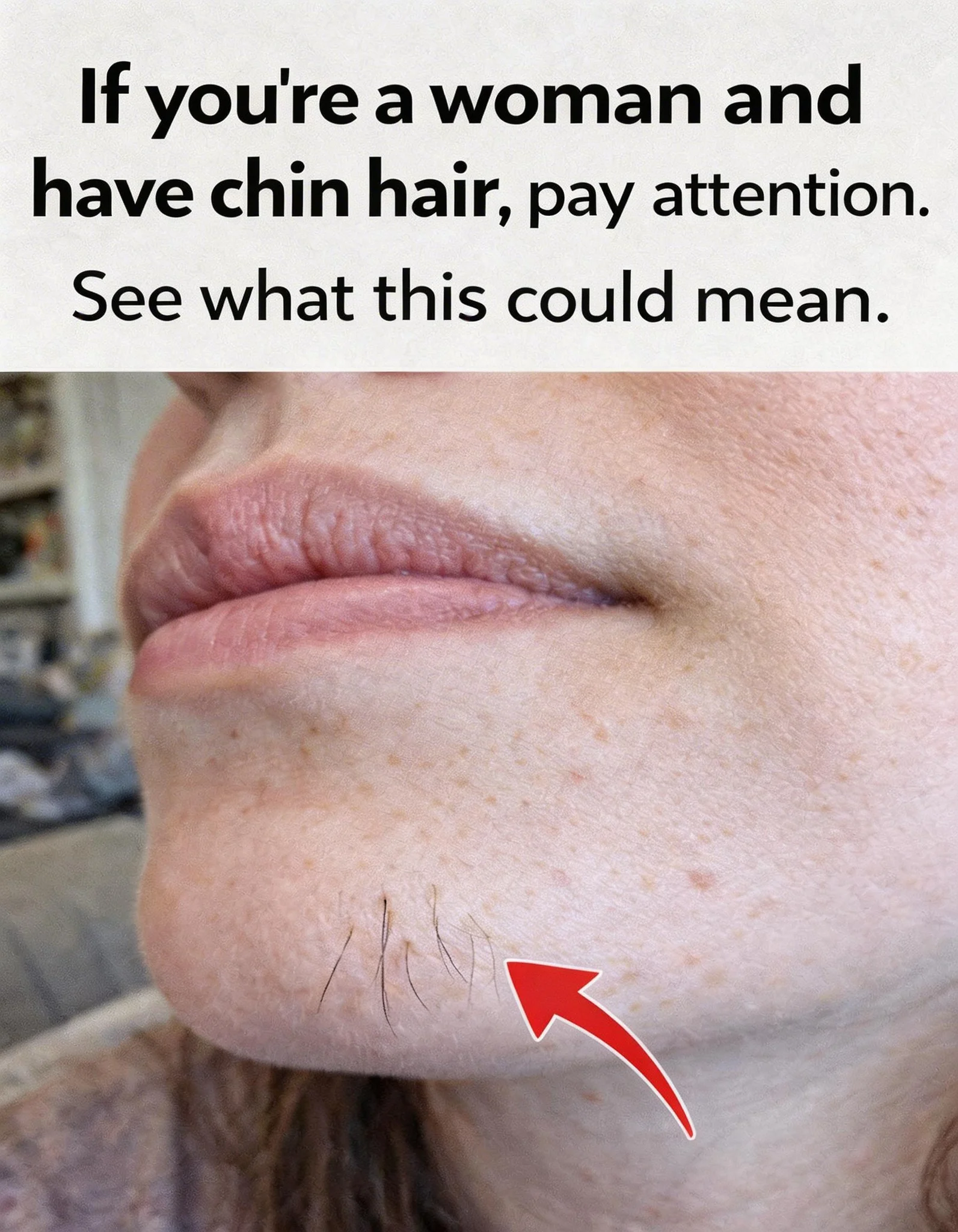
5. Medications or Other Factors
Certain medications, like steroids or specific hormonal therapies, can sometimes encourage hair growth as a side effect. If changes coincide with a new prescription, it’s helpful to note it.
Signs It’s Time to Talk to a Doctor
Most chin hair is benign, but certain patterns suggest checking in with a healthcare provider for reassurance. Consider reaching out if you notice:
- A rapid or sudden increase in hair growth
- Coarse, dark hairs appearing in new areas
- Accompanying symptoms like irregular cycles, unexplained weight changes, or severe acne
These could relate to conditions like PCOS or other hormonal factors. Early conversations often lead to simple evaluations, such as blood tests for hormone levels.
Safe Ways to Manage Unwanted Chin Hair
You have plenty of options for handling chin hair comfortably—no one-size-fits-all required.
Temporary Removal Methods (Quick and Easy at Home):
- Tweezing: Precise for a few stray hairs; pull in the direction of growth to reduce irritation.
- Waxing or threading: Removes multiple hairs at once; results last 3–6 weeks.
- Shaving: Safe and quick; contrary to myth, it doesn’t make hair grow back thicker (though it may feel stubbly as it regrows).
- Depilatory creams: Chemical-based; test a small patch first to avoid irritation.
Longer-Lasting Professional Options:
- Laser hair removal: Targets dark hairs with light energy; multiple sessions often reduce growth significantly over time.
- Electrolysis: Uses electric current to disable individual follicles; considered permanent by the FDA for many cases.
Choose based on your skin type, hair color, and budget—consulting a licensed professional helps ensure safety.
