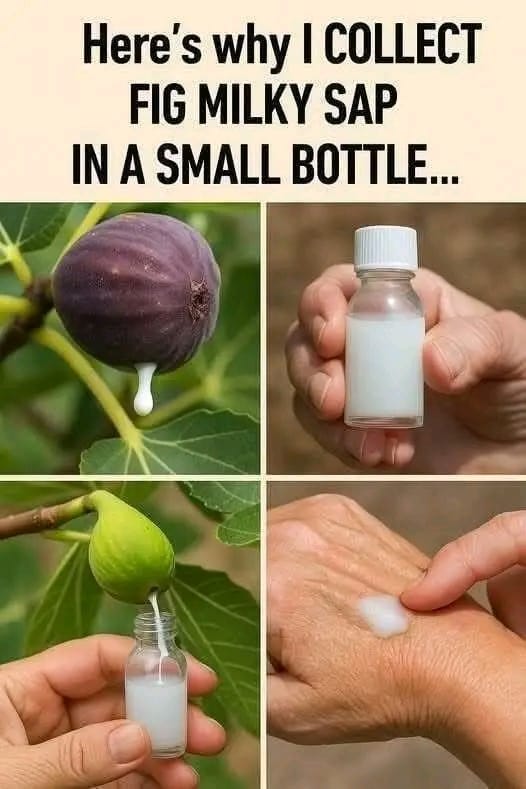
Steps for Safely Collecting Fig Sap
- Prepare Your Tools: Ensure your tools are clean and sharp to make a precise cut that is less damaging to the tree.
- Choose the Right Spot: Select a spot on a branch or trunk where you can easily make a small incision, avoiding any diseased or damaged areas.
- Make a Small Incision: Carefully cut into the bark, keeping the incision shallow and minimal to reduce harm.
- Collect the Sap: Place your container beneath the incision to collect the sap dripping from the tree. It may take a few hours, depending on the flow.
- Seal the Cut: After obtaining enough sap, seal the incision with a natural tree sealant or smooth mud to protect the tree from infections.
The Versatility of Fig Sap
- Natural Remedy: Diluted fig sap has historically been used to alleviate skin irritations and treat warts.
- Culinary Enhancements: Processed fig sap can serve as a coagulant for making dairy-free cheese.
- Gardening Aid: Using fig sap on other plants can act as a natural pest deterrent.
By following these steps, you can engage in collecting and utilizing fig sap, not only connecting with nature but also enjoying its various benefits. Remember, before using fig sap, conduct a patch test with diluted sap to check for allergic reactions. If you’re unsure about handling or using fig sap, seek advice from a professional.
Enjoy the process of collecting and using fig sap to contribute to your eco-friendly and sustainable lifestyle.
