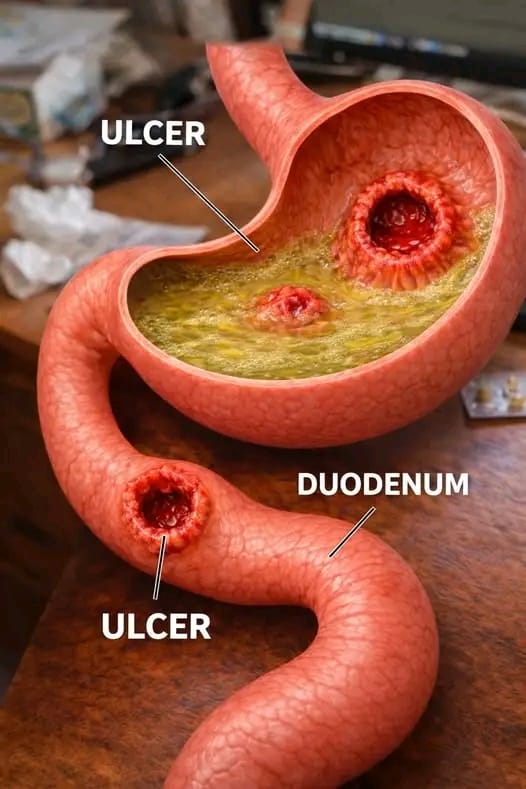
But here’s the interesting part…
Actionable Steps You Can Start Today
Managing diet alongside medical care doesn’t have to be overwhelming. Try these practical tips:
- Keep a simple food journal – Note what you eat and any symptoms for a week. Patterns often emerge quickly.
- Eat smaller, more frequent meals – Large meals can stretch the stomach and increase pressure.
- Choose soothing options – Focus on bland, easy-to-digest foods like oatmeal, bananas, lean proteins, and steamed vegetables.
- Stay hydrated – Sip water throughout the day; avoid gulping large amounts at once.
- Time your meals wisely – Avoid eating late at night, and don’t lie down right after meals.
These small changes support your body’s natural healing process without overcomplicating things.
Foods That May Support Comfort (Bonus Insights)
While focusing on what to limit, incorporating gentle foods helps balance things:
- High-fiber options like oats or barley (if tolerated)
- Probiotic-rich yogurt (plain, low-fat)
- Lean proteins such as chicken or fish
- Non-acidic fruits like bananas or melons
Research highlights that a balanced approach, combined with prescribed treatments, often leads to better outcomes.
Wrapping It Up: Small Changes, Big Difference
Paying attention to foods that may irritate your stomach can make a real difference in how you feel day to day. By reducing common triggers like spicy items, acidic foods, caffeine, alcohol, and fried options, you’re giving your digestive system valuable support during recovery. Remember, everyone’s triggers differ – listen to your body and adjust accordingly.
Always work closely with your healthcare provider for personalized guidance, as diet is just one piece of managing peptic ulcers effectively.
FAQ
What causes peptic ulcers if not food?
Most cases stem from H. pylori bacteria or regular NSAID use. Food doesn’t cause them but can influence symptom severity.
Can I ever eat spicy food again?
Many people reintroduce them gradually once healed and symptoms are gone. Start small and monitor how you feel.
How long does it take for ulcer symptoms to improve with diet changes?
It varies, but many notice differences in days to weeks when avoiding irritants alongside medical treatment.
Disclaimer: This article is for informational purposes only and not a substitute for professional medical advice. Consult your doctor or a qualified healthcare provider before making dietary changes, especially if you have a diagnosed condition. They can provide guidance tailored to your health needs.
