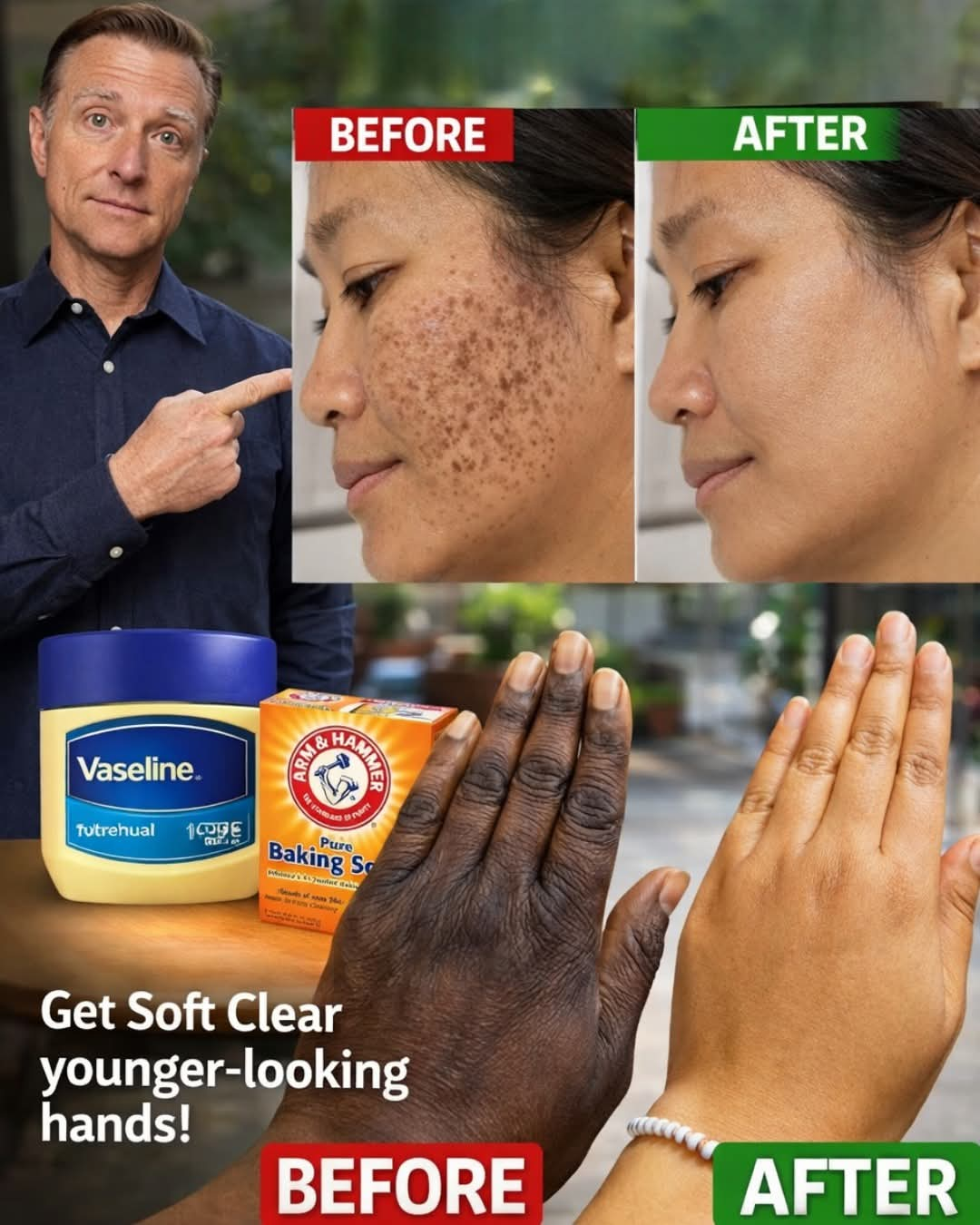
Here’s a quick look at common ingredients and what they bring to hand care:
- Petroleum jelly (like Vaseline): Acts as an occlusive to help seal in moisture and protect the skin barrier.
- Natural exfoliants (used sparingly): Things like oats or sugar can gently buff away dry flakes.
- Hydrating additions: Honey or oils provide extra nourishment.
The key is using them in moderation and listening to your skin.

A Popular DIY Hand Mask Recipe to Try
One approach that’s gained attention online involves combining petroleum jelly with a small amount of baking soda for a simple at-home treatment. Petroleum jelly is well-known for its moisturizing properties, while baking soda can act as a mild physical exfoliant.
Step-by-Step Guide to Making and Using It
- Start with clean, dry hands.
- In a small bowl, mix 2 tablespoons of petroleum jelly with 1 teaspoon of baking soda. Warm the petroleum jelly slightly if needed to make blending easier (use a double boiler or microwave briefly).
- Gently massage the mixture onto your hands, focusing on dry areas, for 1-2 minutes.
- Let it sit for 10-15 minutes—you can cover your hands with cotton gloves for better absorption.
- Rinse off with warm water, pat dry, and follow with a plain moisturizer if desired.
Many report their hands feeling softer afterward due to the exfoliation and moisture lock-in.
Important Note: Baking soda is alkaline and can be irritating for some skin types, especially if overused. Dermatologists often recommend patch testing first and limiting use to once a week or less. It’s not suitable for sensitive, damaged, or facial skin.

Safer Alternatives for Nourishing Hand Masks
If you’re looking for gentler options backed by more skincare experts, try these natural recipes that focus on hydration without harsh exfoliation:
