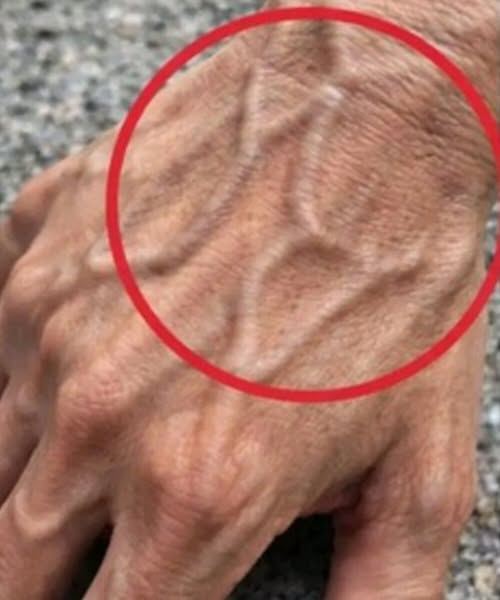
However, there are specific times when the appearance of your veins might be telling you something about your vascular health. Here is a detailed look at why veins become visible and when you should consider talking to a professional.
Why Veins Are Often Visible and Harmless
Most of the time, veins show up due to physical traits rather than health problems. Here are the most common reasons:
- Low Body Fat: If you have very little fat under your skin, there is less tissue to hide your veins. This is why you often see them clearly on the arms and legs of athletes or naturally lean people.
- Skin Tone and Texture: People with very fair skin often have veins that show through more easily. Additionally, as we get older, our skin becomes thinner and loses elasticity, which makes the underlying veins more obvious.
- Temperature Changes: When you are in a warm environment, your body tries to cool down by widening your blood vessels. This process, called vasodilation, brings more blood to the surface and makes veins look larger.
- Physical Activity: When you exercise, your muscles need more oxygen, which increases blood flow. This temporary “pump” makes veins in your calves and arms swell and become more noticeable.
- Family History: Sometimes, it just comes down to your DNA. If your parents had prominent veins, there is a good chance you will too.
When Visible Veins May Indicate a Health Concern
While usually harmless, certain types of visible veins are linked to “venous dysfunction.” This is different from “poor arterial circulation,” but it still requires attention.
Varicose Veins
These are often “twisted, bulging, rope-like veins” that typically appear on the legs. They happen because the tiny valves inside the vein aren’t working right, which allows blood to pool instead of moving upward. You should pay attention if these are accompanied by a heavy feeling, itching, or swelling.
