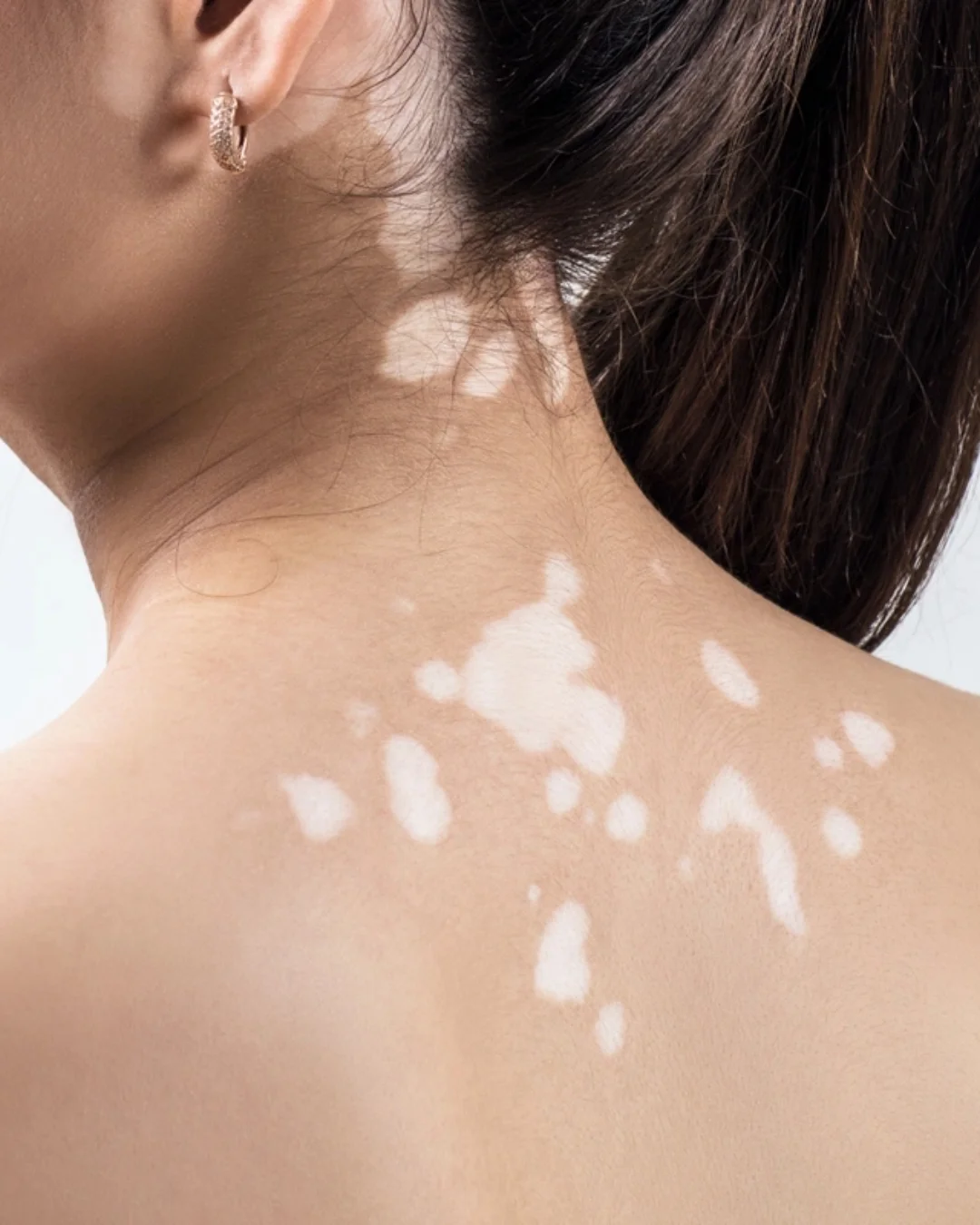
Why Does Tinea Versicolor Keep Coming Back?
Like many fungal infections, Tinea Versicolor has a high recurrence rate. This is because the yeast that causes it naturally lives on the skin and can regrow under the right conditions.
Stopping treatment too early or skipping preventive care almost guarantees recurrence.
What Should You Do?
To reduce the risk of relapse:
-
Treat for at least 2 full weeks, even if patches fade earlier
-
Follow your treatment plan exactly as prescribed
-
Combine treatment with long-term prevention strategies
Consistency is key.
How to Prevent Tinea Versicolor from Returning
Prevention focuses on limiting the conditions that allow the fungus to thrive.
Practical Prevention Tips
-
Maintain good personal hygiene
-
Shower promptly after sweating
-
Avoid excessive heat and humidity when possible
-
Wear loose-fitting, breathable clothing
-
Stick to your treatment plan — don’t stop early
-
Maintain a healthy body weight
-
Eat immune-boosting foods to support overall skin health
In some recurrent cases, doctors may recommend using antifungal shampoos periodically as maintenance therapy.
Final Thoughts
Tinea Versicolor is often mistaken for eczema — and that mistake is the reason so many people struggle with recurring skin discoloration for years.
The good news?
Once correctly identified and treated as a fungal infection, it becomes much easier to manage and prevent.
If your “eczema” keeps coming back despite treatment, it may be time to rethink the diagnosis — and finally give your skin the solution it actually needs.
