5. Over-the-Counter Solutions to Consider
Over-the-counter (OTC) eye drops can be effective in managing mild symptoms. Antihistamine eye drops can help with allergy-related symptoms, while lubricating drops can relieve dryness. Decongestant eye drops may reduce redness, but they should not be used for more than a few days to avoid rebound redness.
Always read the labels and follow the instructions when using OTC products. If you are unsure which product is right for you, consult with a pharmacist for guidance.
6. Home Remedies That May Help
In addition to OTC solutions, several home remedies can provide relief. Warm compresses can help with blepharitis by loosening crusts on the eyelids and opening clogged oil glands. Simply soak a clean cloth in warm water and place it over your eyes for 5-10 minutes.
Maintaining good hydration by drinking plenty of water can also support eye health. Omega-3 fatty acids, found in fish oil supplements, may improve dry eye symptoms by supporting tear production.
7. The Importance of Eye Hygiene
Practicing good eye hygiene is crucial in preventing and managing eye irritation. Always wash your hands before touching your eyes, and avoid rubbing them, as this can exacerbate irritation and introduce bacteria.
For those who wear contact lenses, ensure they are cleaned and stored properly. Replace them as recommended by your eye care professional to prevent infections and discomfort.
8. Could It Be Blepharitis?
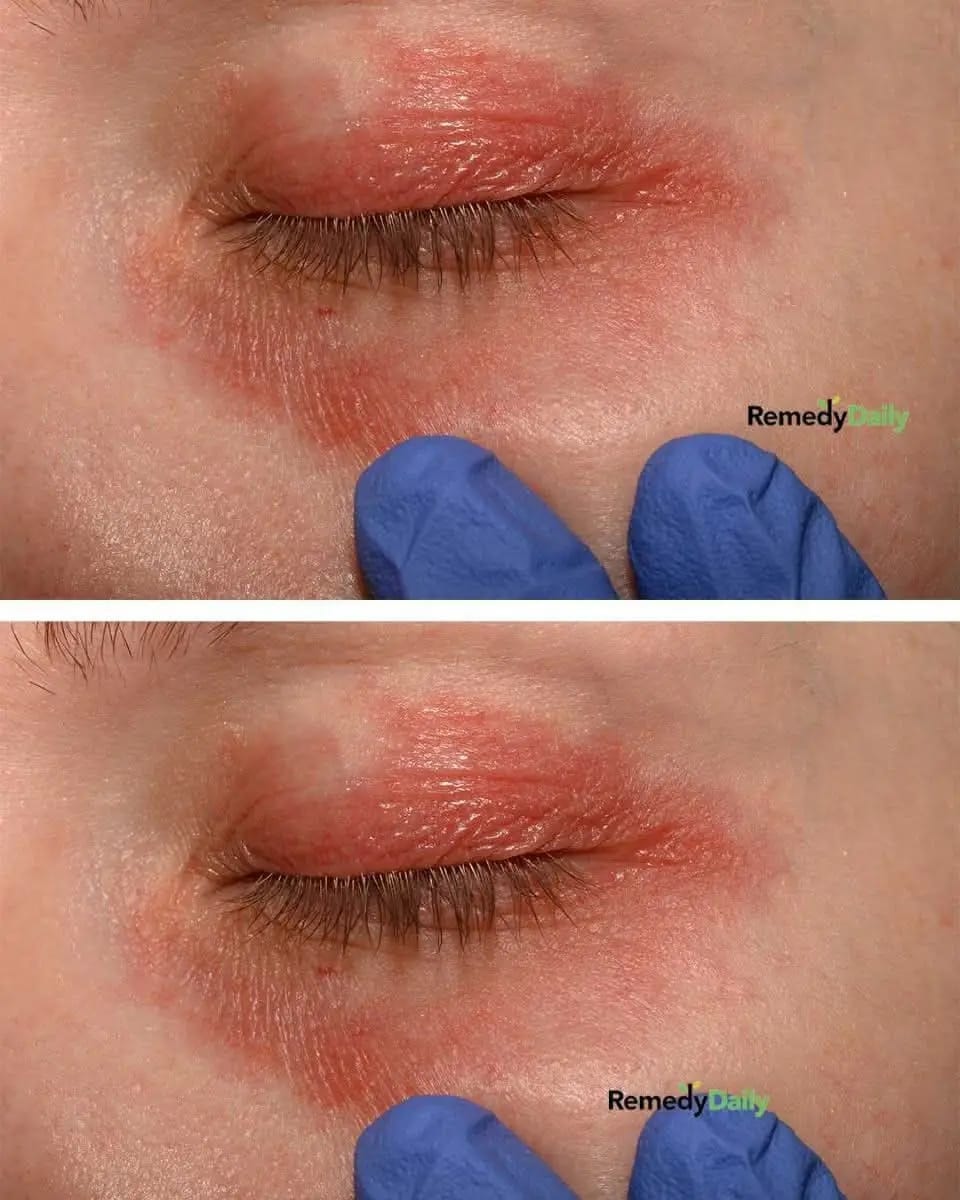
Blepharitis is a common condition that can cause red, itchy eyes and eyelid inflammation. It often results from clogged oil glands at the base of the eyelashes. Symptoms include crusty eyelids, burning sensation, and sensitivity to light.
