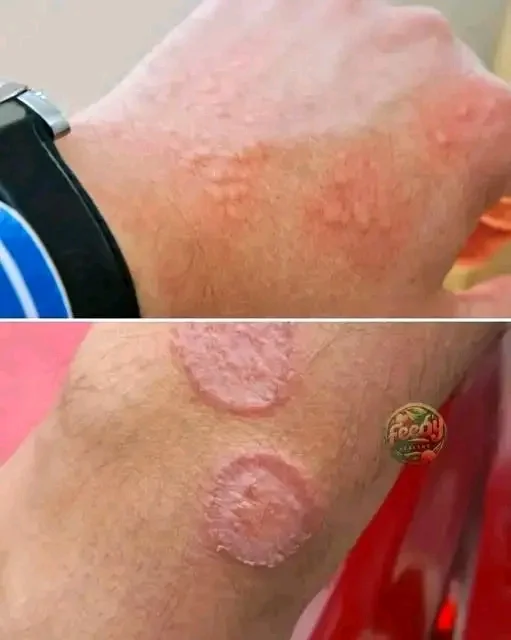
There are also vascular causes, such as bruising or broken capillaries, which can appear as round discolorations. These may result from minor trauma you don’t even remember, certain medications, or conditions affecting blood clotting. While often harmless, frequent unexplained bruising should never be ignored.
Less commonly, round skin marks can be linked to autoimmune or inflammatory conditions, such as psoriasis or lupus-related rashes. These are usually accompanied by other symptoms like fatigue, joint pain, or sensitivity to sunlight. In such cases, early diagnosis is key to effective management.
What makes these marks tricky is that they can look similar at first glance, even though their causes differ widely. That’s why dermatologists emphasize not relying solely on internet images or guesswork. A professional evaluation can quickly determine whether the mark is cosmetic, infectious, allergic, or something more complex.
If a round mark changes color, grows rapidly, becomes painful, starts oozing, or doesn’t improve after a couple of weeks, it’s a clear sign to seek medical advice. Your skin is one of the body’s most honest messengers—it reflects what’s happening both on the surface and beneath it.
In the end, mysterious skin marks aren’t something to panic over, but they are something to respect. Paying attention early can save discomfort, prevent complications, and sometimes even uncover health issues before they become serious.
