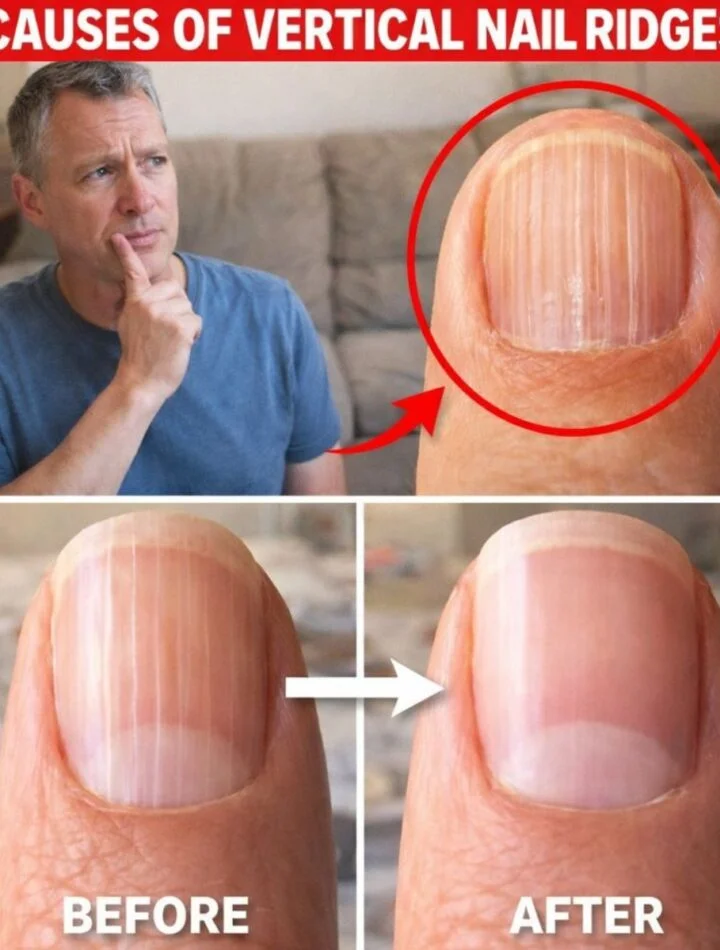
- Which pattern (if any) best matches what you see on your nails?
- On a scale of 1–10, how concerned are you now?
- Have you had blood work or seen a doctor about nail changes recently?
The more noticeable the changes, the more useful it can be to investigate further.
Your 30-Day Nail Monitoring Plan
You don’t need to overhaul your life overnight. Here’s a simple, step-by-step approach many people find helpful:
| Week | Action | What to Track |
|---|---|---|
| 1 | Take clear, well-lit photos of all nails (same angle/lighting) | Baseline appearance |
| 2 | Request basic blood tests (iron, ferritin, B12, thyroid panel, inflammation markers) | Compare results to reference ranges |
| 3 | Add nutrient-rich foods daily (see list below) | Energy levels, nail texture |
| 4 | Follow up with a dermatologist or primary doctor; bring photos | Professional feedback and next steps |
Top Nutrient-Dense Foods That Support Nail Health
Certain nutrients play key roles in nail growth. Including these foods regularly may help:
For potential iron and B12 support:
- Grass-fed beef, oysters, clams
- Spinach, lentils, fortified cereals
- Eggs, salmon, poultry
For biotin and zinc:
- Eggs, almonds, sunflower seeds
- Pumpkin seeds, chickpeas, oysters
General support:
- Colorful vegetables and fruits
- Healthy fats (avocado, olive oil, nuts)
Improvements in nail appearance, when related to nutrition, often become visible in 4–12 weeks as new nail grows in.
When to Seek Medical Care Promptly
Some nail changes warrant quicker attention, especially when paired with other symptoms:
- Sudden, deep horizontal grooves
- Pitting plus joint pain or scalp patches
- Spoon-shaped nails with extreme fatigue or shortness of breath
- Mostly white nails with yellowing skin or abdominal swelling
These combinations can point to conditions needing timely evaluation.
