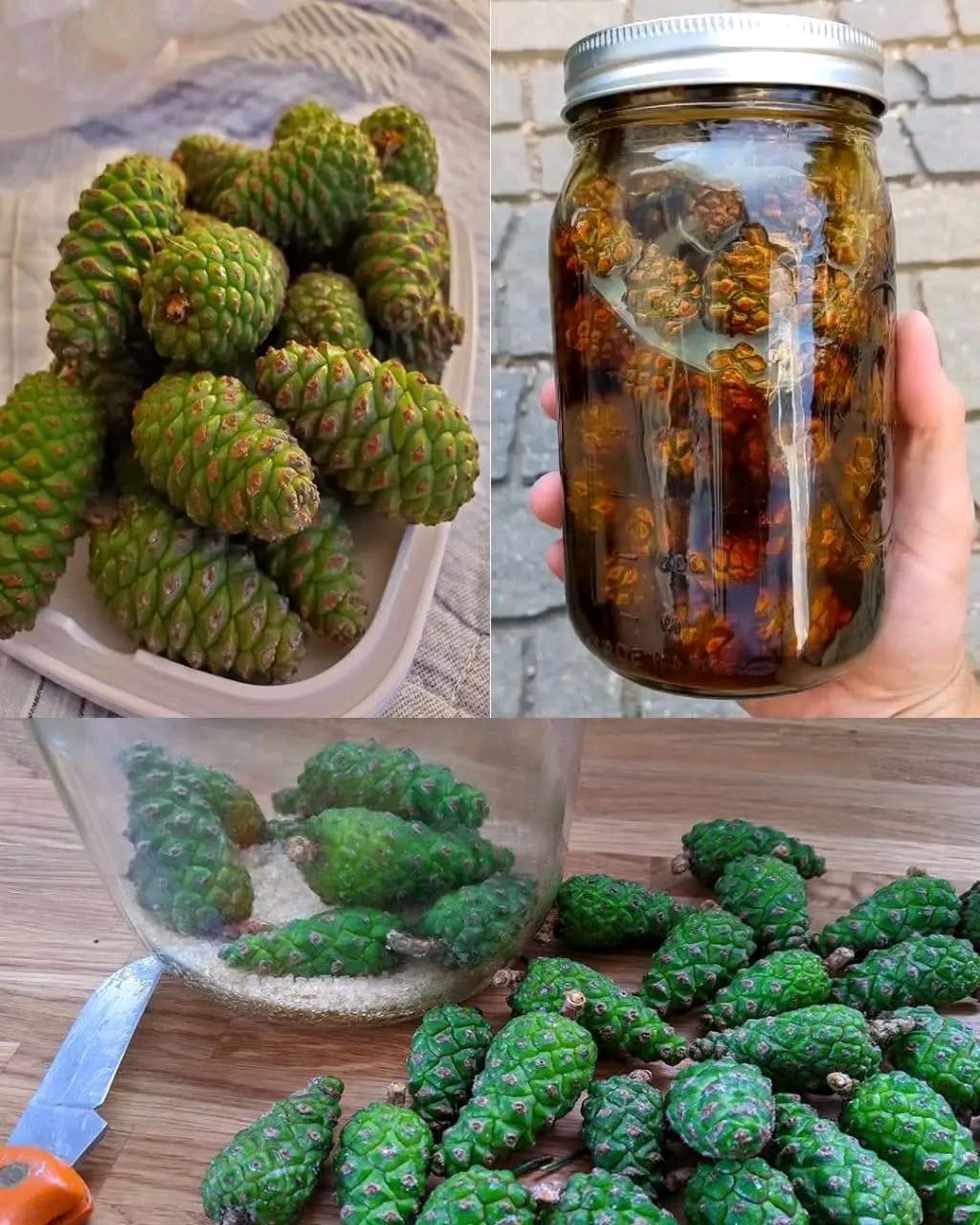
Soothing for throat and coughTraditionally sipped in warm water or tea to ease throat scratchiness and occasional cough.Aromatics for easy breathingPine’s volatile compounds (like α-pinene) give that “clear the head” aroma many people love in steamy drinks.Mild expectorant feelFolk use suggests it can help loosen stubborn mucus when taken warm (e.g., stirred into hot water).Comforting warm-upA spoon in hot water or milk makes a calming, cozy nightcap.Gentle digestive liftThe light bitterness can be helpful after heavy meals (taken in small amounts).Mood & ritualThe foresty scent and slow ritual of making/using it can be grounding and pleasant.Culinary superpowerA unique sweetener for desserts, glazes, salad dressings, cocktails, coffee, and tea.Antioxidant notesPine plant parts contain polyphenols and vitamin C; your syrup won’t be a vitamin pill, but it does carry some plant goodness.Not medical advice: Pine cone syrup is a kitchen remedy and specialty sweetener. For ongoing symptoms or medical conditions, talk to a healthcare professionalIngredients (Stovetop Method – fast):500 g young green pine cones (soft, 1–3 cm; picked in late spring/early summer)700 g white sugar (you can blend white + light brown for deeper flavor)500 ml waterOptional: 1 lemon (sliced) or 1–2 tsp lemon juice (helps balance sweetness); 1 small piece vanilla bean or cinnamon stick for aromaGear:Large bowl, colander, cutting board, knifeNon-reactive pot (stainless steel or enamel)Spoon, fine strainer/cheeseclothClean, sterilized bottles or jars with lidsKitchen scale (highly recommended)How to Harvest & Prep ConesChoose the right cones:Look for immature, green, soft cones you can cut through. Hard,