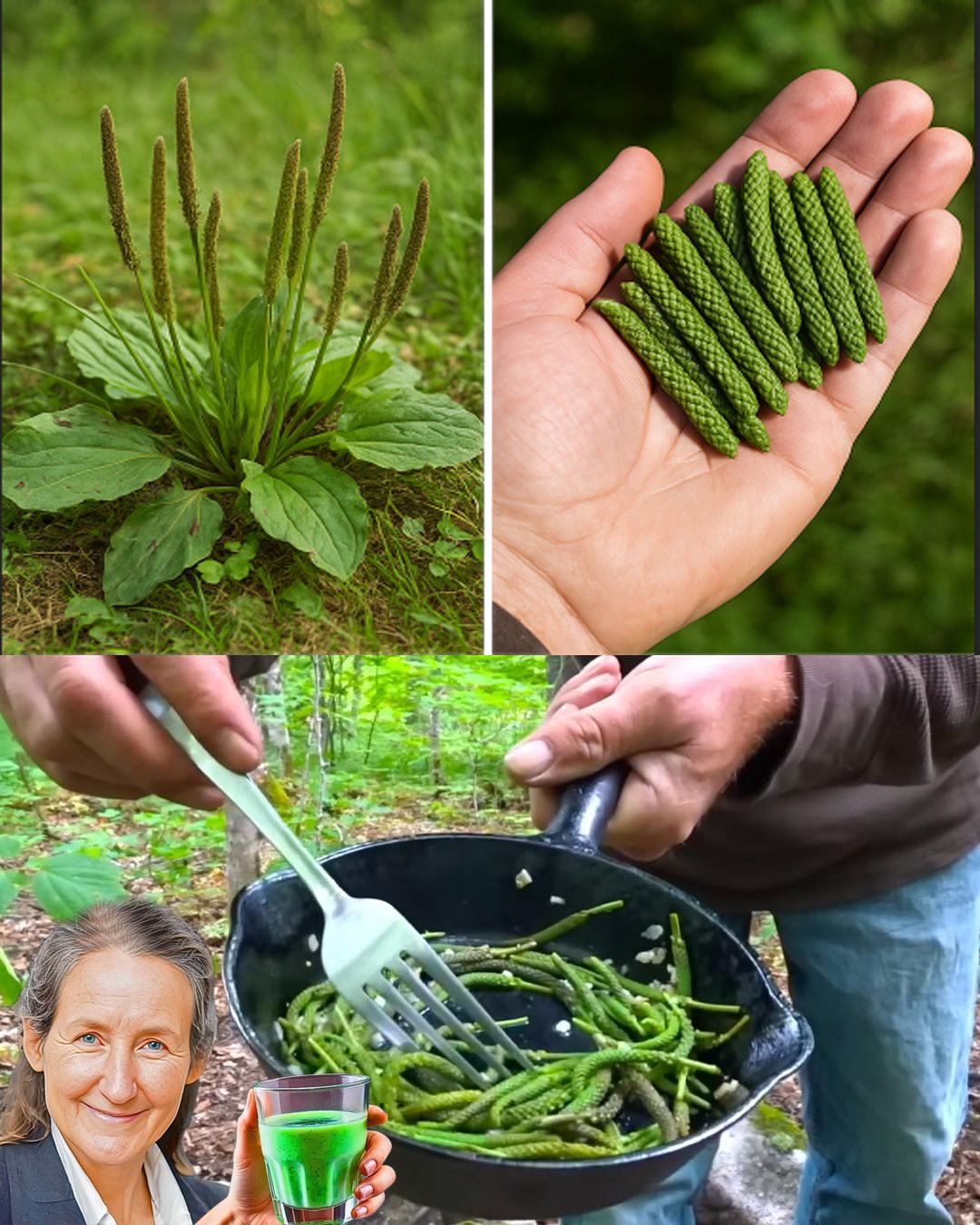
Plantago Major: The Versatile Superfood Growing in Your Backyard
Young leaves, tender and slightly bitter, can be eaten raw in salads with a lemon vinaigrette or sautéed with garlic as a spinach-like side.
 Herbal Tea
Steep 5–6 fresh or dried leaves in hot water for 5–7 minutes for a soothing, detoxifying tea, optionally sweetened with honey.
 Soups and Stews
Add chopped leaves to broths or vegetable soups in the final minutes for a nutritional boost and earthy flavor.
 Edible Seeds
Harvest young seeds from the stalks, dry, and grind into a flour for baking or sprinkle over dishes for a nutty crunch.
How to Harvest and Prepare Large Plantain
Foraging or growing large plantain is simple, with these tips ensuring quality and safety.
 Harvest Young Leaves
Pick tender, vibrant leaves in spring or early summer for the best flavor and texture, avoiding older, tougher ones.
 Clean Thoroughly
Rinse leaves under running water to remove dirt or debris, as their textured surface can trap particles.
 Prepare for Cooking
Blanch leaves for 1–2 minutes to soften and reduce bitterness, or use raw in salads if young and tender.
 Store Properly
Store fresh leaves in a damp cloth in the fridge for up to a week, or dry for tea and store in an airtight container for months.
Precautions for Safe Use
Large plantain is generally safe, but these precautions ensure it’s suitable for your needs.
 Consult a Healthcare Provider
Pregnant or breastfeeding women, or those on diuretics or blood thinners, should consult a doctor, as plantain may interact with medications.
 Test for Allergies
Apply a crushed leaf to a small skin area or taste a small amount to rule out sensitivities, which may cause mild rashes or digestive upset.
 Avoid Contaminated Areas
Harvest from clean, pesticide-free zones, avoiding roadsides or industrial areas, as plantain can absorb soil toxins.
 Moderate Consumption

