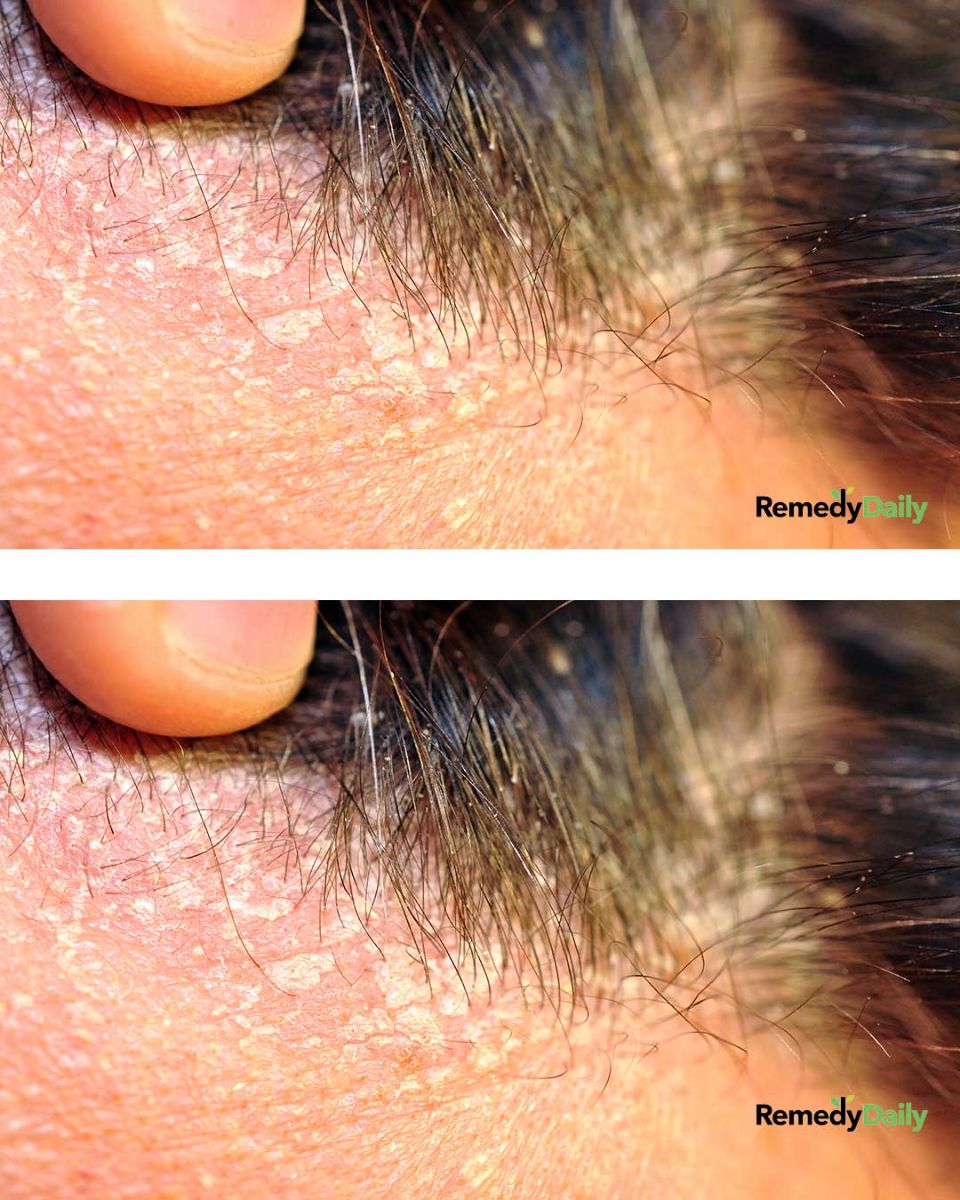
Noticing flakes near your scalp and hairline can be concerning, especially if you’re unsure of the cause or how to address it. While waiting for a doctor’s appointment, which might be a month away, it’s natural to wonder if this issue requires immediate attention or if there are steps you can take in the meantime. Understanding the nature of these flakes and their potential causes can help you manage the situation effectively.
Flakes on the scalp can be caused by a variety of factors, ranging from simple dandruff to more complex skin conditions. While some cases are benign and easily treatable, others might require medical intervention. This article will guide you through understanding the possible causes, when to seek urgent care, and what you can do at home to alleviate symptoms.
1. Understanding Scalp Flakes: Common Causes
Scalp flakes are often a result of the shedding of dead skin cells, which can be exacerbated by various factors. The most common cause is dandruff, which affects nearly 50% of the adult population worldwide. Dandruff is often linked to an overgrowth of a yeast-like fungus called Malassezia, which can lead to increased skin cell turnover.
Other causes of scalp flakes include seborrheic dermatitis, psoriasis, eczema, and contact dermatitis. Each of these conditions has distinct characteristics and triggers. For example, seborrheic dermatitis is more common in oily skin types and can be aggravated by stress or hormonal changes. Psoriasis, on the other hand, is an autoimmune condition that may present with silvery scales and can affect other parts of the body as well.
2. Is It Dandruff or Seborrheic Dermatitis?
Dandruff and seborrheic dermatitis are often confused due to their similar symptoms, but they are distinct conditions. Dandruff is generally characterized by white or yellowish flakes that are easily shed from the scalp, often accompanied by itching. It is usually not associated with inflammation.
In contrast, seborrheic dermatitis involves inflammation and can present with red, greasy patches of skin covered with flaky white or yellow scales. It can affect other areas rich in oil glands, such as the eyebrows, sides of the nose, and behind the ears. Understanding these differences can help in choosing the right treatment approach.
3. When to Worry: Signs of an Urgent Condition
While most cases of scalp flakes are not urgent, certain symptoms may indicate a more serious condition that requires prompt medical attention. If you experience severe itching, pain, or if the flakes are accompanied by significant redness, swelling, or pus, it may suggest an infection or an inflammatory condition that needs immediate care.
Additionally, if you notice hair loss, bleeding, or if the condition spreads rapidly, these could be signs of an underlying issue that warrants a quicker evaluation by a healthcare professional.
4. Over-the-Counter Solutions to Try
Scalp flakes are often a result of the shedding of dead skin cells, which can be exacerbated by various factors. The most common cause is dandruff, which affects nearly 50% of the adult population worldwide. Dandruff is often linked to an overgrowth of a yeast-like fungus called Malassezia, which can lead to increased skin cell turnover.
Other causes of scalp flakes include seborrheic dermatitis, psoriasis, eczema, and contact dermatitis. Each of these conditions has distinct characteristics and triggers. For example, seborrheic dermatitis is more common in oily skin types and can be aggravated by stress or hormonal changes. Psoriasis, on the other hand, is an autoimmune condition that may present with silvery scales and can affect other parts of the body as well.
2. Is It Dandruff or Seborrheic Dermatitis?
Dandruff and seborrheic dermatitis are often confused due to their similar symptoms, but they are distinct conditions. Dandruff is generally characterized by white or yellowish flakes that are easily shed from the scalp, often accompanied by itching. It is usually not associated with inflammation.
In contrast, seborrheic dermatitis involves inflammation and can present with red, greasy patches of skin covered with flaky white or yellow scales. It can affect other areas rich in oil glands, such as the eyebrows, sides of the nose, and behind the ears. Understanding these differences can help in choosing the right treatment approach.
3. When to Worry: Signs of an Urgent Condition
While most cases of scalp flakes are not urgent, certain symptoms may indicate a more serious condition that requires prompt medical attention. If you experience severe itching, pain, or if the flakes are accompanied by significant redness, swelling, or pus, it may suggest an infection or an inflammatory condition that needs immediate care.
Additionally, if you notice hair loss, bleeding, or if the condition spreads rapidly, these could be signs of an underlying issue that warrants a quicker evaluation by a healthcare professional.
4. Over-the-Counter Solutions to Try
see next page 💕👇
