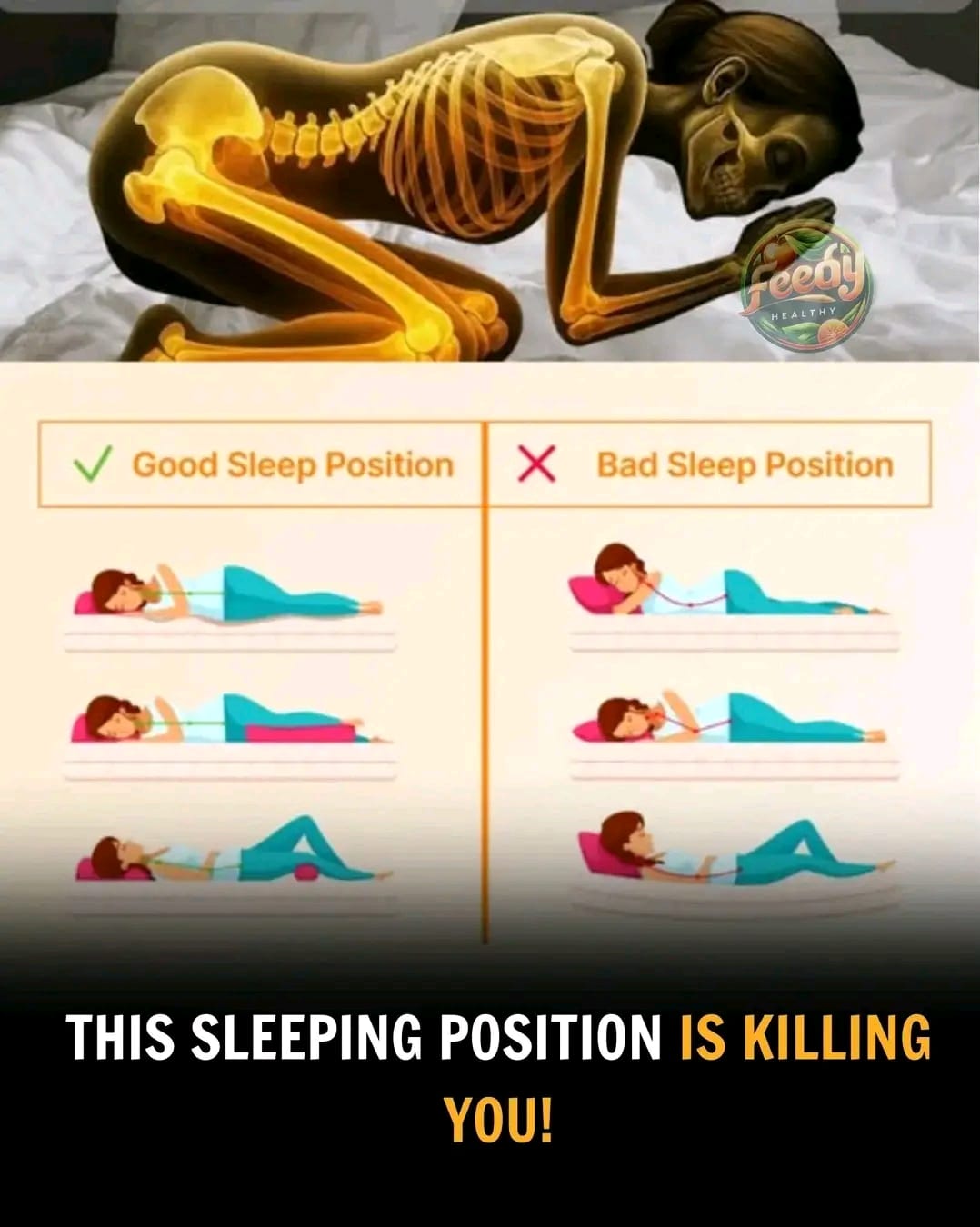
Better Alternatives for Healthy Sleep
- On Your Back: This is considered the healthiest position because it keeps your spine aligned, reduces acid reflux, and minimizes wrinkles. Adding a small pillow under your knees can relieve lower back pressure.
- On Your Side: Especially the left side, this position improves digestion, reduces snoring, and helps circulation. Use a pillow between your knees to keep your hips aligned.
- Fetal Position (with care): Curling slightly on your side can feel comfortable, but don’t curl too tightly as it may restrict breathing.
Tips to Improve Your Sleep Posture
- Use a supportive pillow that keeps your head in line with your spine.
- Place pillows strategically under your knees (back sleeping) or between your legs (side sleeping) to reduce strain.
- If you’re a stomach sleeper, try slowly training yourself to sleep on your side by hugging a pillow.
Final Thoughts
Your sleeping position may seem harmless, but it can affect everything from your spine health to your skin. If you’ve been sleeping on your stomach for years, making a change might feel tough at first, but your body will thank you in the long run. For a healthier back, deeper sleep, and fewer morning aches, avoid the stomach position—it’s the one habit that could be quietly harming your health every night. 

1. Is it bad if I sometimes fall asleep on my stomach?
Occasional stomach sleeping isn’t dangerous, but making it your main position can cause long-term issues.
2. What’s the best sleeping position for back pain?
Sleeping on your back with a pillow under your knees or on your side with a pillow between your legs.
3. Can stomach sleeping cause headaches?
Yes, twisting your neck for hours can strain muscles and lead to morning headaches.
4. How can I stop sleeping on my stomach?
Try hugging a large body pillow—it helps train your body to stay on its side.
