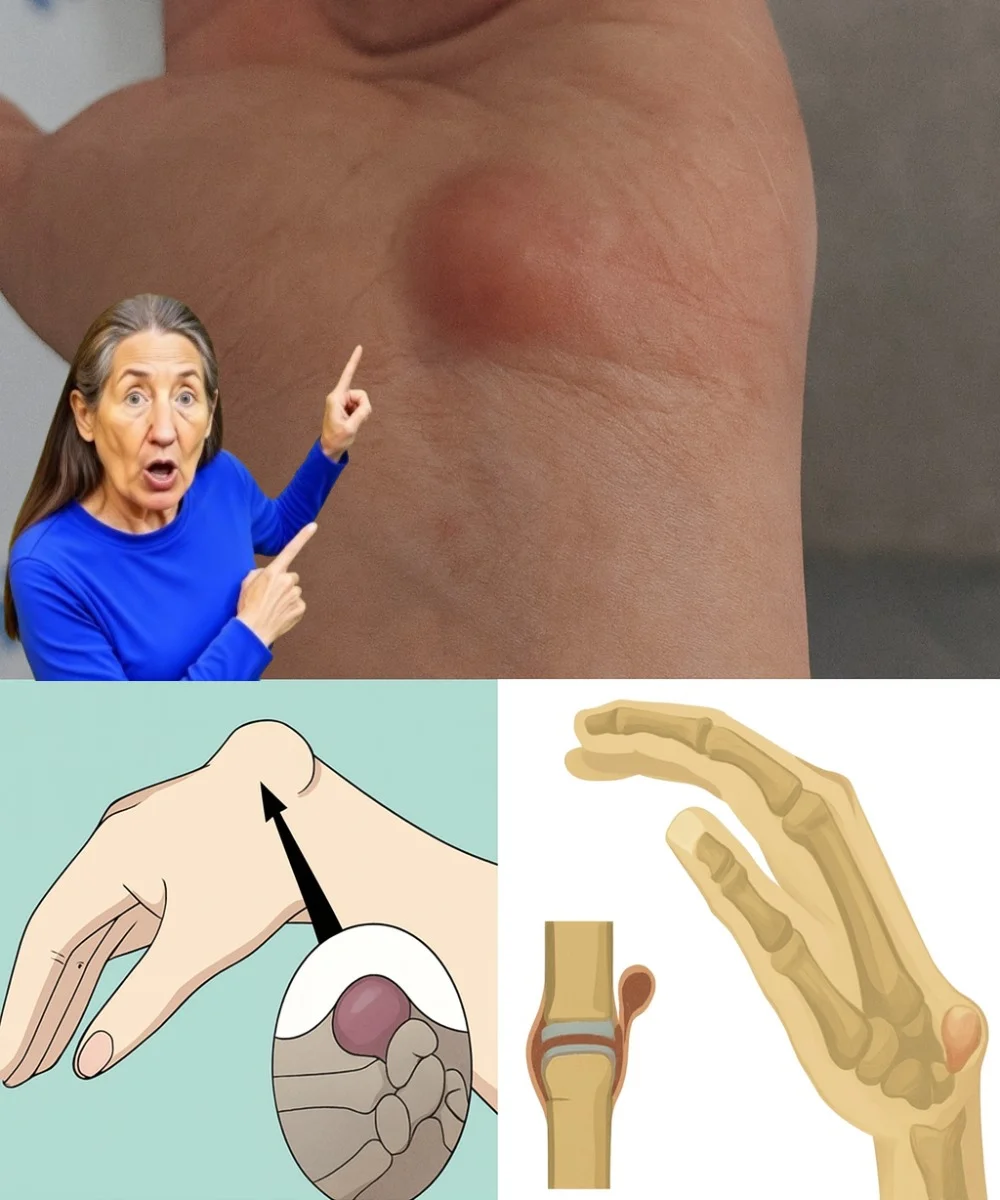
When A Lump Is Not Just About Habits
 Even though habits can play a role, not every lump is caused by something you do every day. In fact, many lumps have nothing to do with behavior at all. They may be related to:
 Natural variations in your body
 Genetics and family tendencies
 Infections or inflammation
 Medical conditions that require professional evaluation
 That is why trying to “self explain” a lump based only on your daily routine can be risky. You might tell yourself, “It is just from how I sit” and ignore it, even though it is changing in size or causing new symptoms. Or you might assume the worst without any objective information. Both extremes can harm you.
 A health professional can look at the location, size, shape, texture, and evolution of the lump, and ask questions about your lifestyle, health history, and symptoms. They may order tests if needed. This is the only way to really understand what a specific lump means for you.
Red Flags: Signs You Should Never Ignore
 While many lumps turn out to be benign, certain changes deserve urgent medical attention. If you notice a lump that:
 Keeps growing over time
Feels very hard or fixed in place
Is accompanied by unexplained weight loss or fever
Causes intense or constant pain
Is associated with changes in the skin such as strong redness, ulceration, or warmth
Appears after an injury and is getting larger or more painful
you should contact a health professional as soon as possible.
 These signs do not automatically mean something serious, but they do mean you need expert eyes on the situation. The sooner you know what you are dealing with, the calmer and more focused your decisions can be.
How To React When You First Notice A Lump

 Step 1: Observe, do not panic
Take a moment to calmly look and feel the area. Notice where exactly the lump is, how big it seems, whether it is soft or firm, and whether it hurts. Try to remember if you recently had any injury, skin irritation, intense pressure, or friction in that area.
 Step 2: Note your habits
Ask yourself:
Do I always sit or sleep in a way that puts pressure on this spot
Do I wear something tight over this area every day
Do I repeat a movement that stresses this part of my body
This can help you understand if your daily routine might be involved, but remember, it is only one piece of the puzzle.
 Step 3: Monitor changes
Check the lump regularly over a short period of time. If you notice that it is getting larger, changing shape, becoming painful, or causing other symptoms, do not delay a medical visit.
 Step 4: Seek professional advice
Even if you suspect it is “just from pressure” or “probably nothing,” a new lump is usually worth mentioning to a health professional, especially if it persists. Bringing your observations and notes about your habits can help them build a clearer picture.
