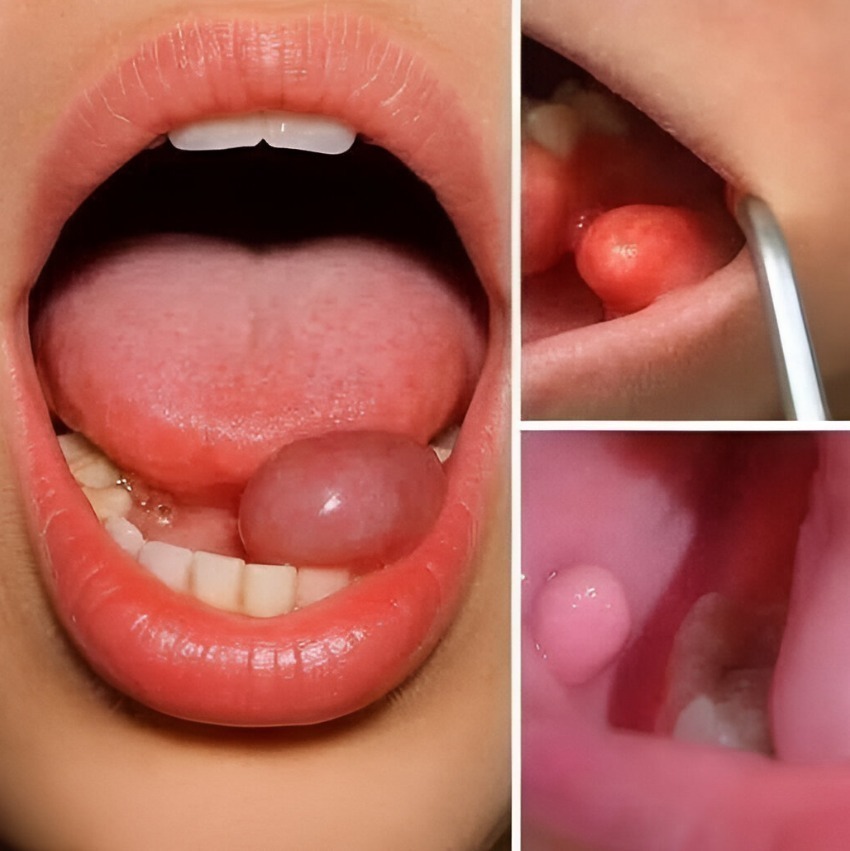
- Sores or blisters that do not heal on the lips or inside the mouth
- Swelling or enlargement of the mouth
- Bleeding from the mouth
- Loose teeth or jaw pain
- Difficulty swallowing or pain when swallowing
- Earaches or pain in the neck area.
- Sudden weight loss
- Numbness in the lips, face, or neck.
- Red or white spots on the mouth or lips.
- Persistent sore throat or dry mouth
If any of these symptoms persist, it is important to consult a dentist or healthcare professional for an evaluation. Early detection is crucial for a better prognosis and higher survival rates.
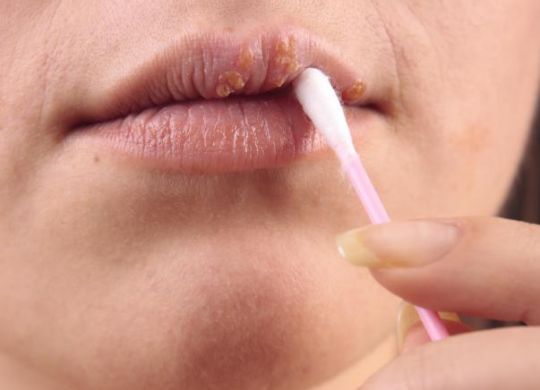
Causes of oral cancer
Several factors contribute to the development of oral cancer, and the most common causes include
- Tobacco use : Smoking cigarettes, cigars, or smokeless tobacco significantly increases the risk of developing oral cancer. Approximately 80% of oral cancer cases are related to tobacco use.
- Excessive alcohol consumption : Drinking alcohol in large quantities increases the risk, especially when combined with tobacco use.
- Human Papillomavirus (HPV) : Certain strains of the HPV virus, particularly HPV-16, have been linked to an increased risk of oral cancer.
- Poor diet and nutrition : A diet lacking essential vitamins and nutrients, especially fruits and vegetables, can increase susceptibility to oral cancer.
- Age : Oral cancer is more common in older adults, particularly those over 50 years of age.
- Family history : A family history of cancer may increase the likelihood of developing oral cancer.
