This is news to me!
A 2–3 inch layer of organic mulch (like shredded bark or compost) helps regulate soil temperature, retain moisture, and suppress weeds. Spread it around the base of your hydrangeas, but keep it a few inches away from the stems to prevent rot.
4. Test and Adjust Soil pH (if Needed)
For bigleaf and mountain hydrangeas, bloom color depends on your soil’s pH—acidic soil (pH below 6) produces blue flowers, while alkaline soil (pH above 7) brings out pink. Testing your soil and adding garden lime or sulfur can tweak the color to your liking, but start early in spring for noticeable results.
5. Water Deeply and Consistently
Hydrangeas love moisture, but not soggy roots. Spring rains might help, but if conditions are dry, aim to water deeply once or twice a week rather than shallow daily watering. Consistency now sets them up for resilience in summer heat.
6. Inspect for Pests and Disease
A quick spring check can save you headaches later. Look for signs of aphids, spider mites, leaf spot, or powdery mildew. Remove any affected leaves, and treat with neem oil or insecticidal soap if needed. Healthy hydrangeas are less vulnerable to pests.
7. Divide or Transplant (If Needed)
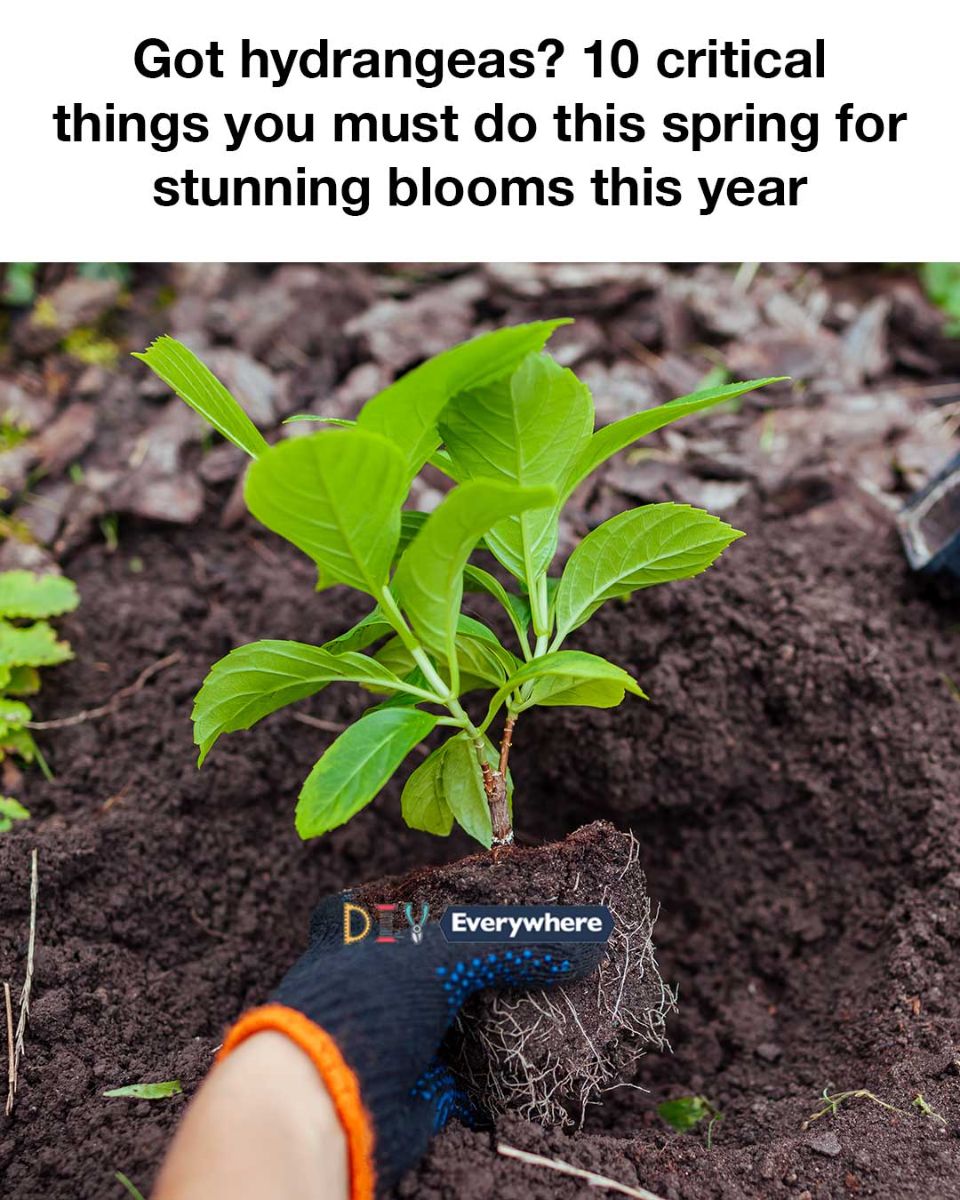
Early spring is the best time to relocate hydrangeas or divide an overgrown plant. Make sure the ground is workable, and transplant before new growth really kicks in. Give them plenty of water afterward to help them settle into their new spot.
8. Support Taller Varieties
Some hydrangea types, like panicles, can get top-heavy once blooms appear. Spring is a great time to add stakes, cages, or other support structures before the plant gets too big and flops under its own weight.
9. Remove Winter Damage
Trim away any blackened, wilted, or broken stems caused by frost or winter winds. Not only will this tidy up the plant, but it also encourages healthier new growth from the base.
10. Plan for Shade and Sun
Hydrangeas need the right balance—most prefer morning sun with afternoon shade, especially in hotter climates. If yours are struggling year after year, consider whether their location gets too much sun or too little, and adjust if necessary by transplanting or adding shade cloth.
Spring is your hydrangeas’ launchpad for success. Taking these proactive steps ensures you won’t be left wondering why your shrubs look leafy but bare come summer. With a little planning and TLC now, you’ll be rewarded with full, vibrant blooms that carry your garden into its most glorious months.
