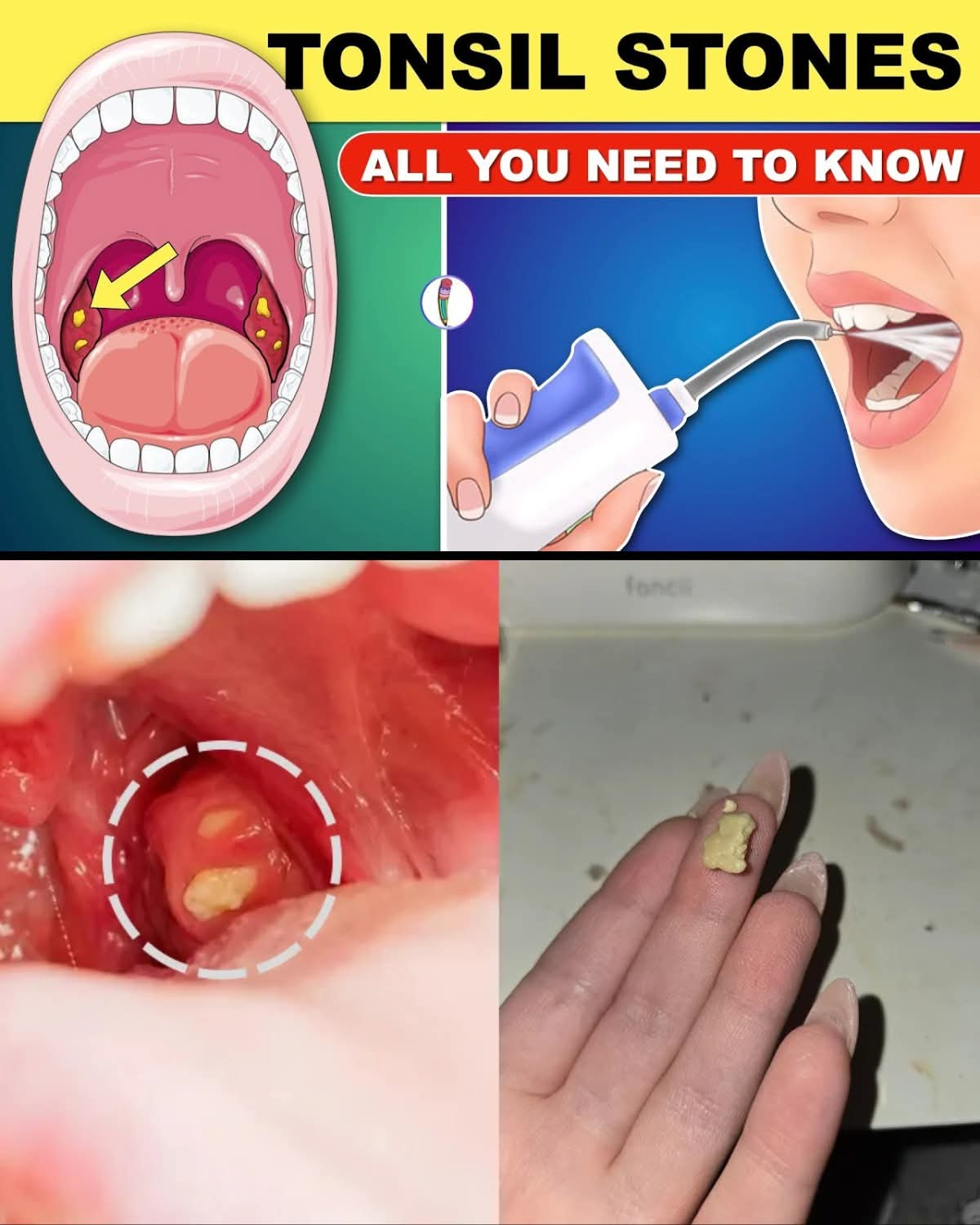
Imagine coughing up a small, hard, foul-smelling lump that looks like a tiny pebble. You stare at it, puzzled, wondering where it came from. For many, this is their first encounter with tonsil stones.
These sneaky formations, also called tonsilloliths, hide in the crevices of your tonsils. They affect millions quietly, often causing embarrassment over bad breath. Research shows they form from trapped debris hardening over time.
Have you ever noticed white specks in the back of your throat or persistent halitosis despite brushing? You might be dealing with tonsil stones without realizing it.
They’re usually harmless, but understanding them can bring relief. Let’s dive into what they are, why they happen, and how to manage them effectively.
What Exactly Are Tonsil Stones?
Tonsil stones are small, calcified deposits that develop in the tonsils’ natural pockets, called crypts.
Your tonsils act like filters, trapping bacteria, food particles, dead cells, and mucus. When these get stuck and harden with calcium, they form white or yellow lumps.
Most are tiny, like grains of rice, but some grow larger. Experts at Cleveland Clinic note they’re common and rarely serious.
You might spot them yourself or during a dental check. But hold on—seeing one is just the start.
Common Symptoms That Might Surprise You
Many people have tonsil stones without noticing. When symptoms appear, they can be subtle yet annoying.
Bad Breath That Won’t Quit
That persistent foul odor, even after brushing? Bacteria on stones produce sulfur compounds.
Studies link tonsil stones to up to 10% of chronic bad breath cases.
Sore Throat or Irritation
A scratchy feeling or mild pain, especially when swallowing.
Larger stones irritate tissue. You might feel something stuck.
