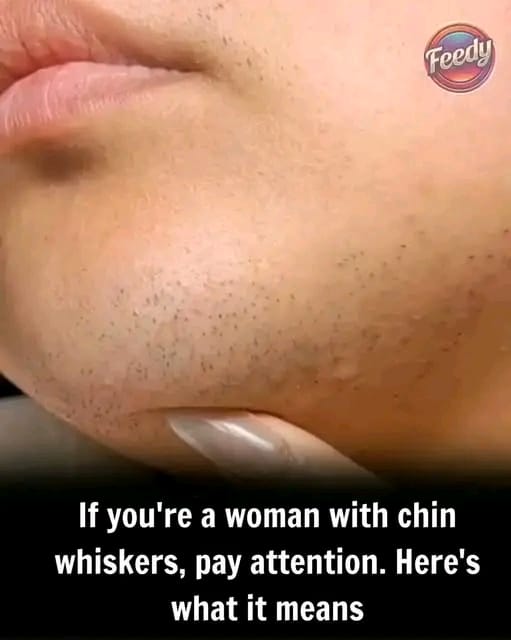
Effective Ways to Manage Chin Whiskers
- Plucking or Tweezing
A quick and cheap fix for a few stray hairs. Make sure to sterilize your tools to prevent infections. - Waxing or Threading
Good for short-term results. Best done professionally to avoid skin irritation. - Laser Hair Removal
Targets the hair follicle for long-lasting results. It’s more expensive but ideal for persistent or excessive growth. - Prescription Treatments
Medications like spironolactone or topical eflornithine cream can slow hair growth by regulating hormones. - Electrolysis
A more permanent solution that uses electric current to destroy hair follicles. - Diet & Lifestyle Changes
For women with PCOS, weight management and a balanced diet can help regulate hormone levels naturally.
When to See a Doctor
If chin whiskers suddenly appear in large numbers, or if they’re accompanied by irregular periods, deepening voice, or acne, consult a healthcare provider. You may need a hormone test or ultrasound to rule out PCOS or other hormonal conditions.
FAQs
Is it normal for women to have chin hairs?
Yes—many women get them, especially with age or hormonal shifts.
Does plucking make chin hair grow back thicker?
No, that’s a myth. Plucked hair may feel thicker as it grows back due to its blunt tip.
Can diet affect facial hair growth?
Yes, especially in hormone-related conditions like PCOS. A low-sugar, high-fiber diet may help balance insulin and androgen levels.
Final Thought
Chin whiskers are common and manageable. Understanding the cause is the first step to finding a solution that fits your needs—whether it’s medical treatment, grooming methods, or both. You’re not alone, and help is available.
