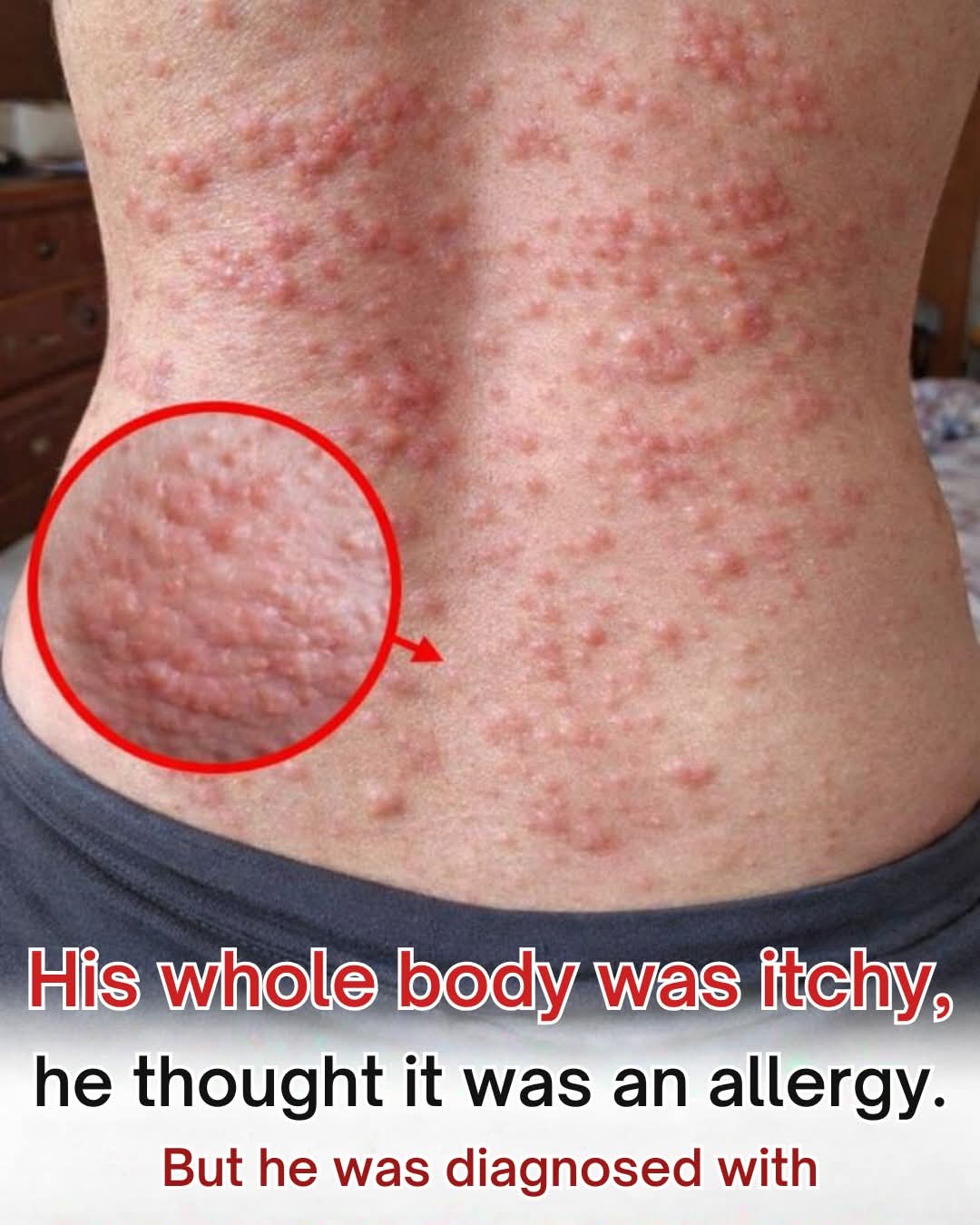
Understanding Hives in Children: What You’re Really Dealing With
Simple Soothing Techniques to Try Today
- Cool it down — Apply cool compresses or take lukewarm (not hot) baths to calm itching. Avoid very hot water, which can worsen things.
- Moisturize wisely — Use fragrance-free, gentle moisturizers after bathing to protect the skin barrier.
- Dress for relief — Choose loose, breathable cotton clothing to reduce pressure and friction.
- Track patterns — Keep a simple diary noting when hives appear, what your child ate, activities, weather, or stress levels—this helps spot subtle triggers.
Lifestyle Adjustments That Many Families Find Supportive
Research and parent experiences highlight these as helpful for ongoing management:
- Maintain a consistent routine to reduce stress, a known amplifier.
- Encourage good sleep hygiene—itchiness often peaks at night.
- Stay hydrated and eat balanced meals, avoiding known personal irritants if identified.
- Limit exposure to extreme temperatures or tight fabrics.
Here’s a quick comparison of common triggers and avoidance ideas:
| Trigger Type | Examples in Kids | Practical Avoidance Tips |
|---|---|---|
| Physical Factors | Scratching, cold air, tight clothes | Wear loose layers; use gloves in cold weather |
| Infections/Illness | Viral colds, stress | Support immune health with rest and nutrition |
| Unknown/Idiopathic | No clear cause | Focus on symptom relief and tracking |
These aren’t cures but can reduce flare frequency and intensity.
