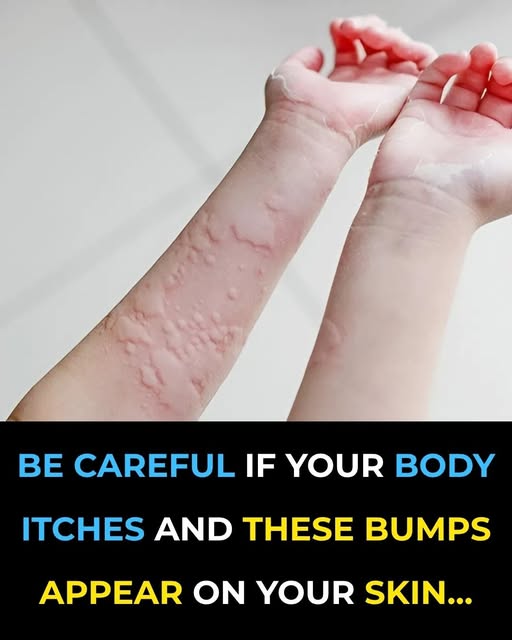
Infections are also linked to hives. Viral infections, such as colds, flu, or mono, as well as bacterial infections like strep throat or urinary tract infections, can trigger skin reactions. Even dental infections can be a factor, particularly in children. Tight or irritating clothing may cause pressure hives (dermatographism), making the skin raised and itchy in areas of friction. Unexpected foods can contribute as well. Beyond common allergens like nuts and shellfish, citrus fruits, strawberries, tomatoes, food additives, and spicy foods may provoke hives. Exercise-induced hives can occur during or after physical activity and, in rare cases, may be linked to specific food-exercise combinations. Autoimmune conditions, such as thyroid disease, lupus, or rheumatoid arthritis, sometimes lead to chronic hives.
Environmental allergens like dust, pet dander, mold, and latex can also be responsible. Hormonal changes during menstruation, pregnancy, or menopause may influence immune responses and skin reactions, making hives more frequent in women. If you develop hives, avoid scratching, which can worsen inflammation and increase the risk of infection. Cold compresses or soothing lotions may provide relief. Over-the-counter antihistamines such as cetirizine, loratadine, or diphenhydramine can be effective for mild reactions. Seek medical attention if hives last more than six weeks, are accompanied by swelling of the face or throat, difficulty breathing, dizziness, or other concerning symptoms. Understanding potential triggers—from lifestyle and environmental factors to medications and emotional stress—can help manage outbreaks and prevent future flare-ups. By paying attention to your body and identifying patterns, relief from hives is achievable, keeping your skin calm, comfortable, and healthy.
