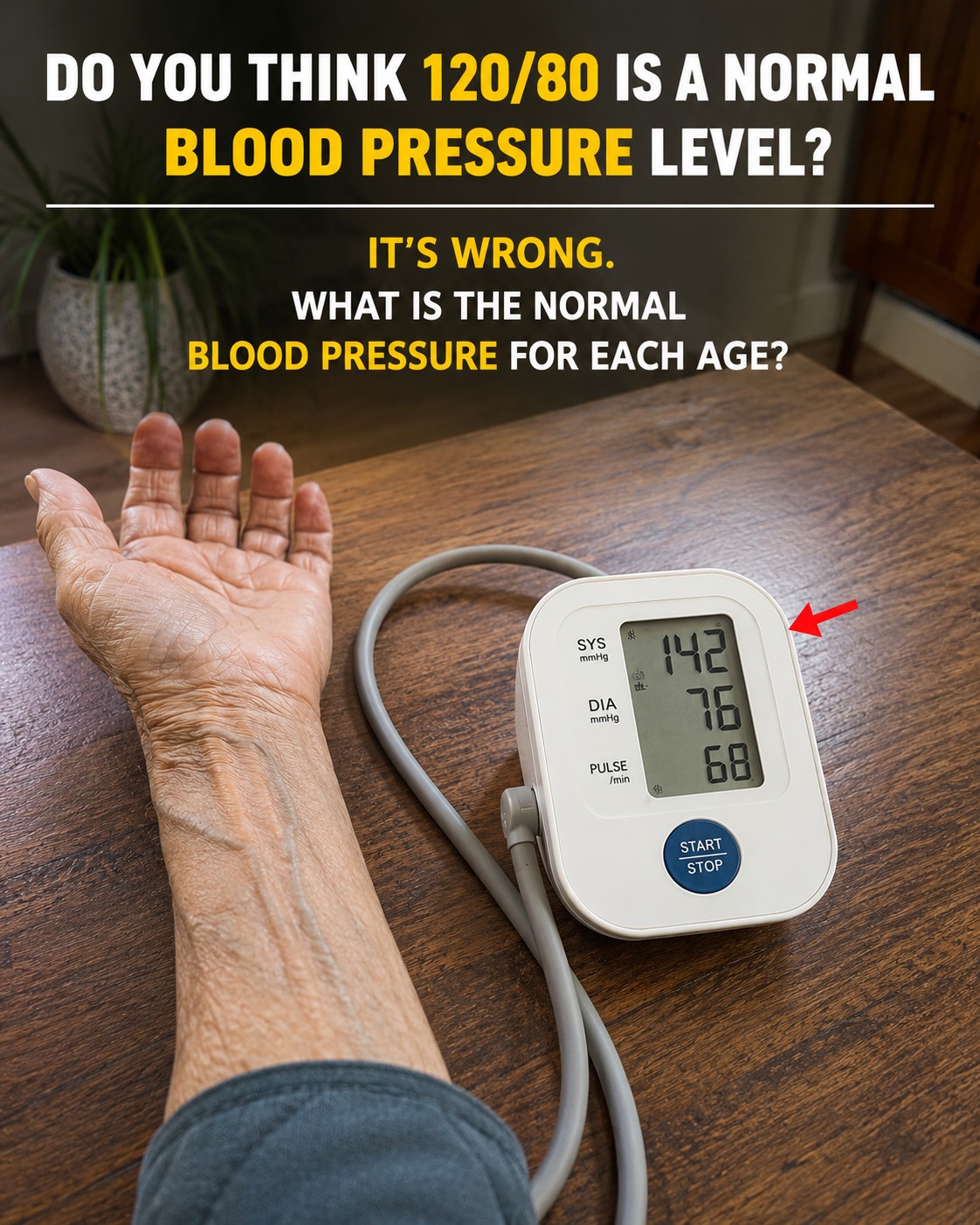
Averages may rise to around 133–139 systolic and 68–69 diastolic in population studies. Even so, the target for most healthy older adults remains under 130/80 according to current guidelines, with individualized care for those with other health factors.
But here’s the thing most people miss: your personal “normal” is what matters most. One high reading doesn’t define your health — consistent patterns do.
How to Get Accurate Blood Pressure Readings at Home
Getting reliable numbers is easier than you think. Follow these simple steps every time:
Sit quietly for at least 5 minutes with your back supported and feet flat on the floor.
Keep your arm at heart level on a table — no talking or crossing your legs.
Use a properly fitted cuff on bare skin.
Take two readings one minute apart and average them.
Track readings at the same time each day, ideally morning and evening.
Consistent home monitoring gives you and your doctor the clearest picture.
Lifestyle Habits That Support Healthy Blood Pressure at Any Age
The best part? You don’t need drastic changes to see meaningful improvements. Research shows these everyday habits make a real difference:
Move more: Aim for at least 150 minutes of moderate activity per week — brisk walking, swimming, or cycling all count.
Eat smarter: Focus on fruits, vegetables, whole grains, lean proteins, and low-fat dairy while cutting back on processed foods high in sodium.
Watch the salt: Most adults do well keeping sodium under 2,300 mg daily — many benefit from even less.
Manage stress: Simple deep breathing, meditation, or even a daily walk can lower readings noticeably.
Limit alcohol and avoid tobacco: Both can push numbers higher over time.
Maintain a healthy weight: Even losing 5–10 pounds can help bring readings down.
Get quality sleep: Seven to nine hours per night supports better blood pressure control.
These steps work together and become easier the more you practice them.
When Should You Talk to Your Doctor?
If your home readings consistently fall into the elevated or hypertension categories, schedule a visit. Your doctor can confirm the pattern with office measurements and discuss personalized next steps. Regular check-ups are especially important after age 40 or if you have family history, diabetes, or other risk factors.
Conclusion: Knowledge Is Your Best Tool
