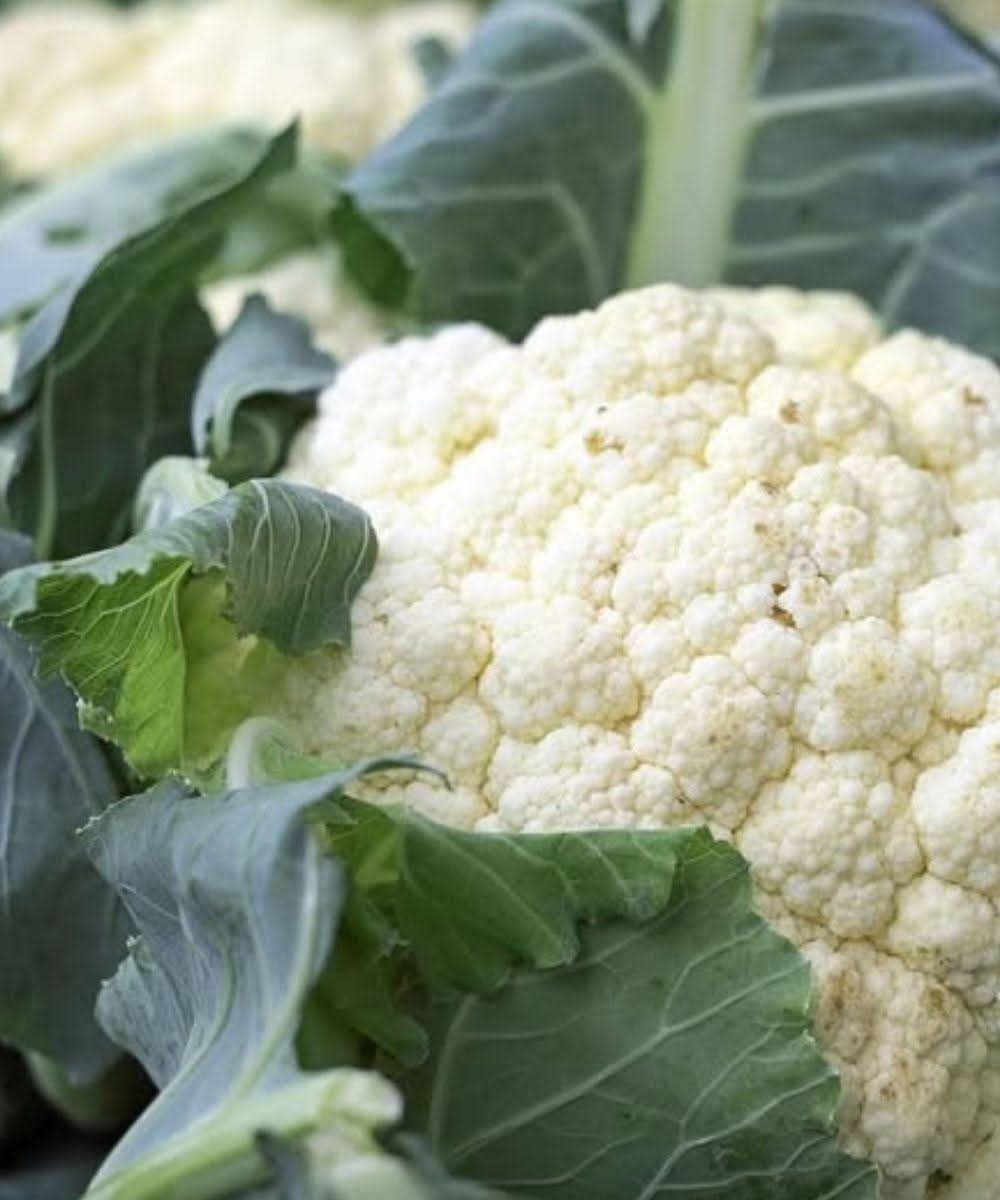
For most healthy people, eating cauliflower in normal amounts does not pose a problem. However, individuals with thyroid conditions—especially hypothyroidism or iodine deficiency—may need to be more cautious. Cooking cauliflower can significantly reduce its goitrogenic effects, making it a safer option for those who want to include it in their diet.
People Taking Bl00d-Thinning Medications
Cauliflower is rich in vitamin K, a nutrient that plays an essential role in blood clotting and bone health. While vitamin K is beneficial for most people, it can interact with certain medications, particularly blood thinners such as warfarin.
People taking these medications need to maintain a consistent intake of vitamin K to avoid interfering with their treatment. Sudden increases in vitamin K–rich foods like cauliflower could potentially affect how these medications work. Anyone on blood-thinning medication should consult their healthcare provider before making significant dietary changes.
Those Prone to Kidney Stones
Cauliflower contains moderate amounts of oxalates, compounds that can contribute to the formation of kidney stones in susceptible individuals. Although cauliflower is not among the highest oxalate foods, people with a history of calcium oxalate kidney stones may need to moderate their intake.
Drinking enough water and maintaining a balanced diet can help reduce the risk, but individuals who have experienced kidney stones before should discuss their diet with a healthcare professional.

People Sensitive to Gas-Producing Foods
Because cauliflower is high in fiber and sulfur-containing compounds, it can increase gas production in the digestive system. While this is a normal part of digestion, some individuals may experience discomfort, especially if they suddenly increase their fiber intake.
Gradually adding cauliflower to meals and cooking it rather than eating it raw can help reduce these effects. Pairing it with other easy-to-digest foods may also make it more tolerable.
The Bottom Line
Cauliflower remains a highly nutritious vegetable that can be part of a healthy diet for most people. However, individuals with digestive sensitivities, thyroid issues, kidney stone history, or those taking blood-thinning medications should pay closer attention to how their bodies respond. By understanding these potential concerns and practicing moderation, most people can still enjoy cauliflower while maintaining good health.
