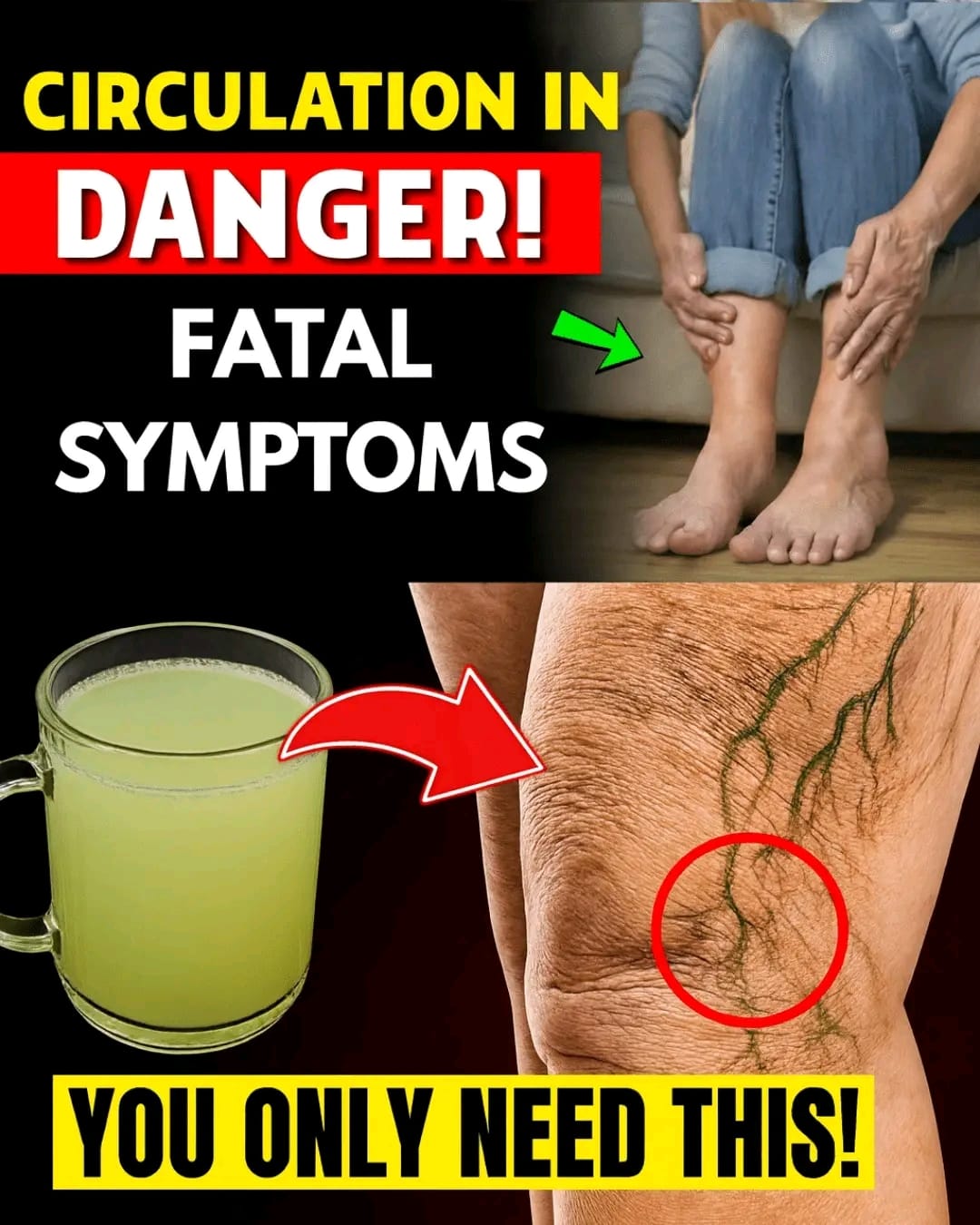
Your circulatory system is your body’s lifeline, delivering oxygen-rich blood to every cell, tissue, and organ. When blood flow slows or becomes restricted, your body struggles to function at its best. Poor circulation isn’t just about feeling cold or tired—it can lead to swelling, pain, and even long-term complications like cardiovascular disease or blood clots.
Modern life doesn’t make it easy. Hours spent sitting at desks, standing for long shifts, or eating processed foods can quietly strain your blood vessels. Over time, these habits can weaken circulation, leaving you feeling drained and disconnected from your vitality. The good news? Recognizing the warning signs and taking simple, natural steps can make a profound difference. By addressing poor circulation early, you’re not just easing discomfort—you’re investing in a healthier, more energized future.
## Warning Signs You Can’t Ignore
Poor circulation often whispers before it shouts. Catching these early signals can help you act before minor discomforts become major problems. Here are the key signs to watch for:
❄ *Cold Hands and Feet*: If your extremities feel chilly even in warm weather, it could mean blood isn’t reaching them efficiently.
🦶 *Swelling in Legs, Ankles, or Feet*: Known as edema, this occurs when blood pools in your lower body, often due to weak veins or prolonged sitting.
🧠 *Tingling or Numbness*: A pins-and-needles sensation in your hands or feet can signal restricted blood flow or nerve compression.
🕸 *Varicose Veins or Visible Veins*: Twisted, bulging veins in your legs often indicate poor circulation and weakened vein walls.
🌑 *Skin Discoloration or Slow-Healing Wounds*: Pale, bluish, or slow-healing skin can point to inadequate oxygen delivery.
😴 *Fatigue and Low Energy*: When your cells don’t get enough oxygen, you may feel sluggish, even after a full night’s sleep.
