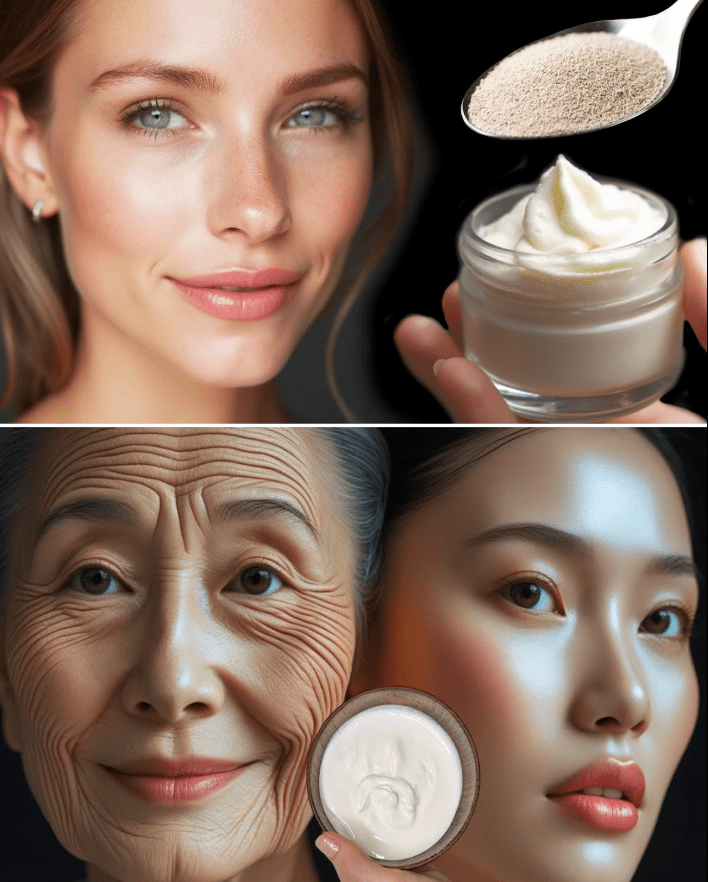
The Recipe That Keeps It Simple (And Safer)
Basic Yogurt + Yeast Mask (1 application)
- 2 tablespoons plain, unsweetened yogurt
- 1 teaspoon active dry yeast (or a small pinch to start)
- Optional: 3–5 drops jojoba oil or olive oil
Mix until smooth. Let it sit 2 minutes to thicken slightly. Apply a thin layer to clean skin, avoiding eyes and lash line. Leave on 8–12 minutes. Rinse with lukewarm water. Moisturize afterward.
You may be thinking, Can I leave it longer for better results? Not necessarily. Longer isn’t better—especially around mature skin.
Best Practices and Safety, Without Fear
Here’s what matters most: avoid irritation. If it stings or burns, rinse immediately.
- Patch test behind the ear or on the inner arm first
- Avoid if you have active eczema flares, rosacea flare-ups, or broken skin
- Do not apply directly around the eyes
- Use clean tools and discard leftovers after 1–2 days refrigerated
- Start once weekly, then move to 2–3 times weekly if tolerated
And yes, there’s a smarter way to choose oils.
Ingredient Comparison Table: What Each Part Contributes
| Ingredient | What It May Help With | Why It’s Used |
|---|---|---|
| Plain yogurt | Hydration + gentle surface smoothing | Lactic acid + proteins feel conditioning |
| Yeast | Conditioning texture + nutrient presence | Creates a creamy paste; B vitamin content |
| Jojoba oil | Barrier support feel | Similar to skin’s natural oils |
| Olive oil | Extra softness | Rich, protective feel for very dry skin |
If your skin is acne-prone, start with jojoba and skip heavier oils. But there’s also the “how often” question.
Usage Guide and Safety Table
| Goal | How Often | Time On Skin | Notes |
|---|---|---|---|
| First-time test | 1x/week | 6–8 minutes | Patch test first |
| Dry, mature skin support | 2x/week | 8–12 minutes | Always moisturize after |
| Sensitive skin | 1x/week | 5–7 minutes | Skip yeast if reactive |
| If irritation occurs | Stop | — | Resume only if cleared |
Now, before we wrap up, let’s return to your earlier rating.
Quick Check-In: Has Your Number Changed?
Think back to your 1–10 satisfaction score. Did reading a safer, more realistic approach shift your confidence even one point. Sometimes the biggest improvement comes from feeling less confused and more empowered.
Here’s the truth: you don’t need perfect skin to feel beautiful. But feeling supported—hydrated, comfortable, cared for—can make your skin look more vibrant.
If you decide to try this, treat it like a small experiment. Take a before photo in the same lighting, then check again after two weeks of gentle consistency. Not to judge yourself—just to observe. And if you have sensitive skin or ongoing irritation, it’s wise to check with a healthcare provider or dermatologist.
If this article helped you, share it with a friend who’s tired of “miracle” claims but still wants practical, gentle ideas. And if you do test the mask, ask yourself one final question after rinsing: Does my skin feel calmer than before? That answer is often the real signal to trust.
Footnote: This article is for informational purposes only and does not replace professional medical advice. Patch test new remedies, discontinue use if irritation occurs, and consult a qualified healthcare provider for personalized guidance—especially if you have sensitive skin or chronic skin conditions.
