⚗️ The Potent Power Within: Chemical Composition
The true power of Datura stramonium lies in its chemical makeup. The plant contains a trio of potent alkaloids—atropine, scopolamine, and hyoscyamine—that act on the central and peripheral nervous systems. These compounds block acetylcholine, a critical neurotransmitter, leading to a range of effects that can be both medicinal and menacing.
Atropine: Known for dilating pupils and increasing heart rate, it has been used in medicine but can cause severe disorientation in high doses.
Scopolamine: Infamous for inducing delirium and vivid hallucinations, it’s a double-edged sword in both healing and harm.
Hyoscyamine: Contributes to the plant’s sedative and antispasmodic effects, but in excess, it can lead to life-threatening symptoms.
These alkaloids make Datura stramonium a plant of extremes, capable of soothing pain or plunging the user into a nightmarish haze of confusion and delirium. Its chemical complexity is a reminder of nature’s intricate balance between remedy and risk.
📜 A Tapestry of History and Culture
For centuries, Datura stramonium has played a starring role in human history. From ancient rituals to modern medicine, its psychoactive and medicinal properties have left an indelible mark.
Ancient Uses: Indigenous cultures in the Americas used Datura stramonium in spiritual ceremonies, harnessing its hallucinogenic effects to connect with the divine. Shamans and healers approached it with reverence, aware of its power to both heal and harm.
Traditional Medicine: In small, controlled doses, the plant has been used to treat ailments like asthma, muscle spasms, and even pain. Its alkaloids were once key ingredients in early anesthetics and sedatives.
Folklore and Myth: Known as “devil’s trumpet,” Datura stramonium appears in stories as a symbol of temptation and danger. Its otherworldly beauty has inspired tales of enchantment and cautionary warnings about the perils of overstepping nature’s boundaries.
This rich history underscores the plant’s dual role as both a healer and a harbinger of danger, a paradox that continues to captivate.
⚠️ The Dark Side: Health Risks of Datura Stramonium
While its beauty and history are alluring, Datura stramonium is not a plant to be trifled with. Its toxicity is profound, and ingesting any part of it can lead to devastating consequences. The symptoms of poisoning are as varied as they are alarming:
Hallucinations and Delirium: Vivid, often terrifying visions that blur the line between reality and nightmare.
Rapid Heartbeat: A racing pulse that can strain the cardiovascular system.
Blurred Vision and Dry Mouth: Classic signs of anticholinergic poisoning, making it hard to see or swallow.
Coma or Death: In severe cases, the plant’s toxins can overwhelm the body, leading to catastrophic outcomes.
The danger is not just theoretical. Accidental poisonings have occurred when curious gardeners, children, or pets encounter the plant. Its seeds, often mistaken for harmless berries, are particularly hazardous, as even a small dose can trigger severe symptoms.
🛡️ Staying Safe: Prevention and Awareness
The key to coexisting with Datura stramonium is knowledge and caution. Here’s how to protect yourself and your loved ones:
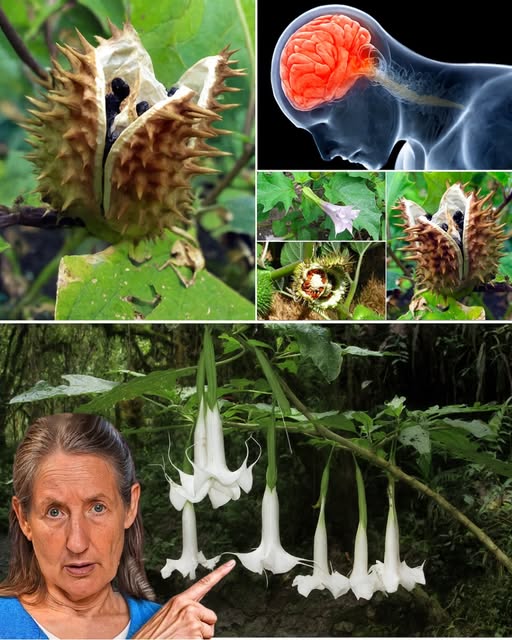
Know the Plant: Familiarize yourself with its distinctive features—spiky pods, trumpet-shaped flowers, and jagged leaves—so you can identify it in your garden or the wild.
Avoid Planting It: Despite its ornamental appeal, Datura stramonium is best left out of home gardens, especially where children or pets are present.
Safe Removal: If you find it on your property, wear gloves and remove it carefully, ensuring no seeds or plant parts are left behind.
Seek Help Immediately: If you suspect exposure or ingestion, contact emergency services without delay. Prompt treatment can be lifesaving.
By staying vigilant, you can admire Datura stramonium from a safe distance, appreciating its beauty without falling prey to its dangers.
🌍 A Global Wanderer: Datura’s Spread and Adaptability
One of the most remarkable aspects of Datura stramonium is its ability to thrive in diverse environments. From the Americas to Europe, Asia, and beyond, this plant has colonized disturbed soils with ease. It flourishes in places where other plants struggle—roadsides, construction sites, and abandoned fields—making it a symbol of resilience. Its global spread is a testament to its adaptability, but it also raises concerns about its potential to invade new ecosystems and pose risks to unsuspecting communities.
💡 The Modern Dilemma: Ornamental Appeal vs. Safety
For gardeners, Datura stramonium presents a tempting but risky proposition. Its striking flowers and unique seed pods make it a standout in any landscape, yet its toxicity demands careful consideration. Is the aesthetic worth the danger? For most, the answer is no. Safer alternatives, like non-toxic flowering plants, can provide similar visual impact without the health risks. If you do choose to grow Datura stramonium, do so with full awareness of its hazards and take steps to prevent accidental exposure.
🌟 A Plant of Contrasts: Beauty, Power, and Peril
Datura stramonium is a botanical enigma, a plant that embodies the delicate balance between beauty and danger. Its trumpet-shaped flowers and spiky pods draw the eye, while its potent alkaloids command respect. From ancient rituals to modern gardens, it has left an indelible mark on human culture, serving as both a healer and a hazard. Whether you encounter it in the wild or study it from afar, one thing is certain: Datura stramonium is a reminder of nature’s complexity and power.
As you navigate the world of plants, let Datura stramonium be a lesson in caution and curiosity. Research the species you bring into your garden, and approach the unknown with respect. This enigmatic thorn apple may captivate your imagination, but its true beauty lies in understanding—and avoiding—its hidden dangers. Stay curious, stay safe, and let nature’s mysteries continue to inspire.
