1. Unexplained Swelling
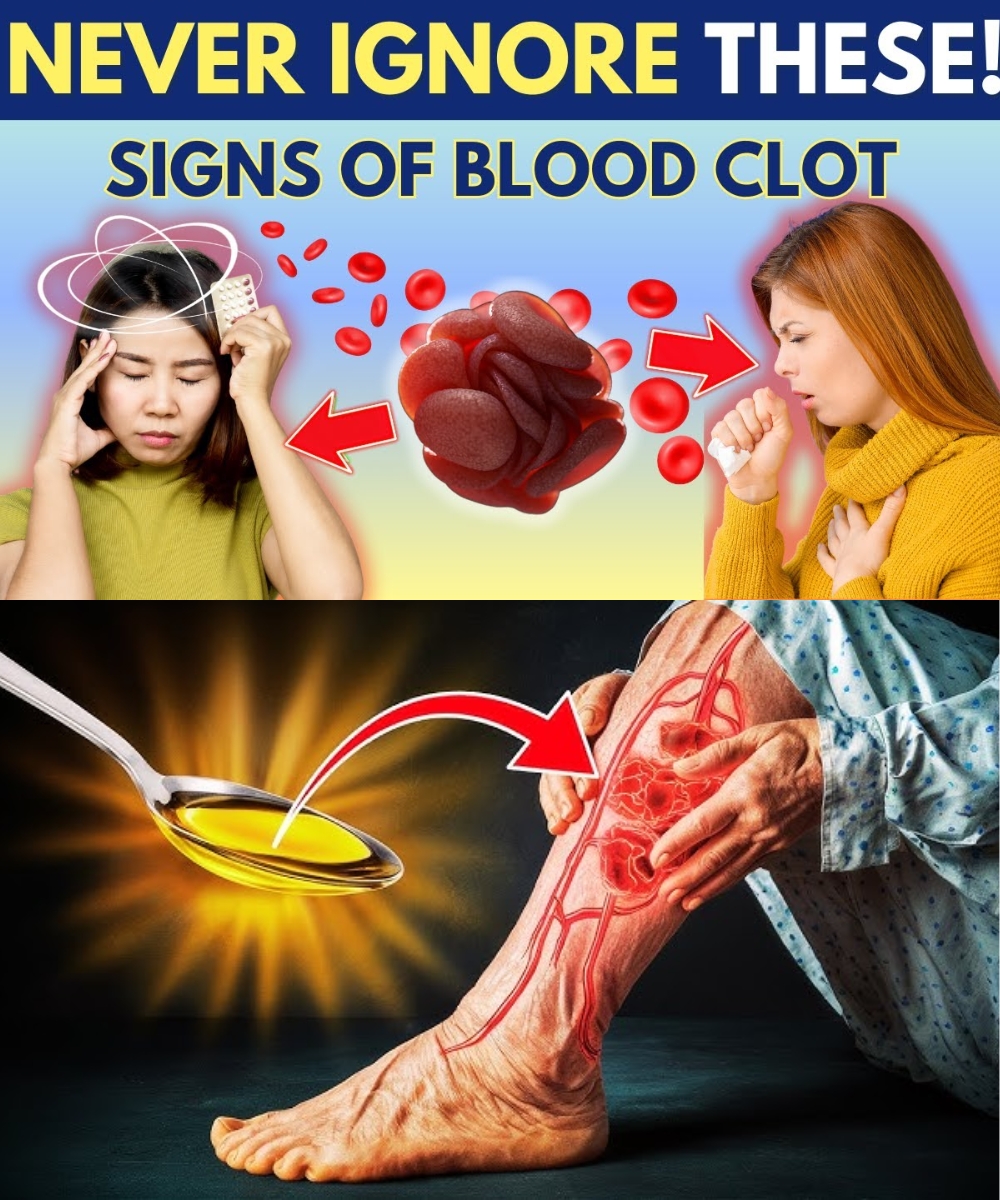
Sudden swelling—especially in the leg, ankle, or arm—is a common sign of a blood clot. The swelling usually occurs on one side of the body and may feel warm to the touch.
2. Sharp Pain or Tenderness
A clot in a deep vein can cause throbbing or cramping pain that doesn’t go away with rest. The pain often starts in the calf or thigh and worsens when walking or standing.
3. Skin Redness or Discoloration
If your skin looks red, bluish, or unusually pale in a certain area, it may signal restricted blood flow caused by a clot.
4. Warmth in the Affected Area
Blood clots often cause localized warmth over the skin where the clot is lodged. If one leg feels warmer than the other, it’s a red flag.
5. Sudden Shortness of Breath
A clot that travels to the lungs (pulmonary embolism) can cause difficulty breathing, rapid heartbeat, or chest tightness. This is a medical emergency—seek help immediately.
6. Chest Pain or Pressure
Clots in the heart or lungs may cause sharp chest pain, heaviness, or pressure that mimics a heart attack. If chest pain comes with dizziness or sweating, call emergency services right away.
7. Fast Heartbeat or Lightheadedness
When oxygen supply drops due to a clot, your heart works harder. This may lead to rapid heartbeat, dizziness, or fainting. Don’t brush it off.
8. Persistent Cough (Sometimes With Blood)
A clot in the lungs can trigger a chronic cough, often producing pink or blood-streaked mucus. This is another emergency sign that requires urgent care.
Who Is at Higher Risk?
You may be more prone to blood clots if you:
-
Sit for long periods (desk jobs, long flights)
