Why it works: Used coffee grounds supply nitrogen (N) and mildly acidify soil for blueberries, azaleas, and other acid-loving species.
- Dry spent grounds on a baking sheet for 24h.
- Sprinkle a thin layer (1/4″) of grounds around the drip line of the plant.
- Lightly work into the top 1″ of soil to prevent crusting.
- Use once per month; avoid overapplication to prevent compaction.
Best for: Blueberries, azaleas, gardenias, rhododendrons.
3. Eggshell Calcium Powder
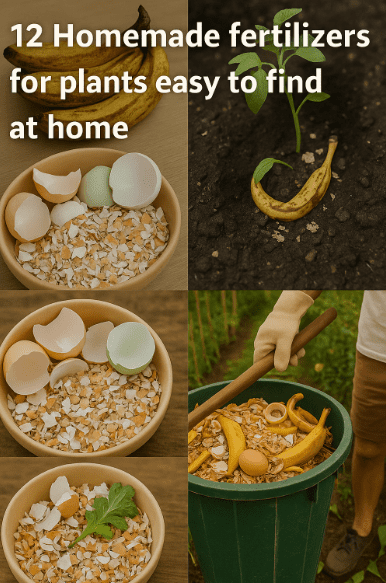
Why it works: Crushed eggshells are an excellent source of calcium (Ca), preventing blossom-end rot in tomatoes and peppers.
- Rinse clean eggshells to remove residue.
- Bake at 200°F for 10 minutes to sterilize.
- Grind in a spice grinder to a fine powder.
- Mix 1 Tbsp of powder into each planting hole or sprinkle around existing plants and water in.
Best for: Tomatoes, peppers, squash, eggplant
4. Epsom Salt Magnesium Drench
Why it works: Epsom salt (magnesium sulfate) provides magnesium (Mg) and sulfur (S), essential for chlorophyll production and nutrient uptake.
- Dissolve 1 Tbsp Epsom salt in 1 gallon of water.
- Apply to soil at the base of plants every 4–6 weeks.
- Optional foliar spray: Use 1 tsp per quart of water; mist leaves in early morning.
Best for: Tomatoes, roses, peppers, houseplants showing yellowing leaves.
5. Molasses Microbe Stimulant
Why it works: Unsulfured molasses feeds beneficial soil microbes, enhancing nutrient cycling.
- Mix 2 Tbsp molasses in 1 gallon of warm water.
- Stir until fully dissolved.
- Apply as a root drench at 1 cup per plant every month.
Best for: Vegetable gardens, potted plants, compost pile accelerant.
6. Aquarium Water Nutrient Boost
Why it works: Freshwater aquarium water is rich in nitrogen and trace minerals from fish waste.
- Collect water during tank cleaning.
- Apply directly to soil around plants—no dilution needed.
- Use weekly for continuous gentle feeding.
Best for: Vegetable patches, houseplants, seedlings.
7. Wood Ash Mineral Sprinkle
Why it works: Wood ash supplies potassium and calcium carbonate, raising pH in acidic soils.
- Collect cooled, sifted ash from a wood stove or fireplace.
- Sprinkle ¼ cup per 10 sq ft of garden bed.
- Work lightly into the top 2″ of soil.
- Test soil pH after two weeks; apply only if pH is below 6.5.
Best for: Acidic garden beds, berry patches, annual flowers.
8. Gelatin Nitrogen Supplement
Why it works: Gelatin is a protein that slowly releases nitrogen as it breaks down.
- Dissolve 1 tsp unflavored gelatin in 1 cup hot water.
- Let cool, then dilute in 1 gallon of water.
- Apply as a root drench once per month.
Best for: Leafy greens, ornamentals, seedlings.
9. Milk & Water Calcium Feed
Why it works: Diluted milk provides calcium and a small protein boost, improving cell wall strength.
- Mix 1 part milk to 4 parts water.
- Apply at soil level every 4–6 weeks.
- Avoid foliar application in heat to prevent mildew.
Best for: Tomato plants, peppers, roses.
10. Seaweed Mineral & Hormone Infusion
Why it works: Seaweed is loaded with trace minerals, natural auxins, and cytokinins that stimulate root growth.
- Rinse fresh seaweed to remove salt.
- Chop and pack into a bucket; cover with water.
- Steep for 7–10 days, stirring daily.
- Strain and dilute 1:5 with water; apply monthly.
Best for: Transplants, root crops, container plants.
11. Vegetable Scrap Broth
Why it works: Boiled vegetable scraps leach nutrients—nitrogen, phosphorus, potassium—into a gentle broth.
- Collect veggie scraps (carrot tops, potato peels, leafy ends).
- Boil in 2 gallons of water for 20 minutes.
- Cool and strain solids.
- Use undiluted as a soil drench every 2 weeks.
Best for: Flower beds, vegetable gardens.
12. Weed Tea (Free Nutrient Source)
Why it works: Common weeds like dandelion and chickweed are nutrient accumulators. Steeping them yields a potent tea rich in nitrogen and trace elements.
- Harvest young, non-flowering weeds; avoid invasive species seeds.
- Chop and place in a porous bag in a bucket of water.
- Steep for 7–10 days, stirring daily.
- Strain and dilute 1:5; apply every 3 weeks.
Best for: Established gardens, rose bushes, shrubs.
Application & Rotation Tips
see next page 💕👇
