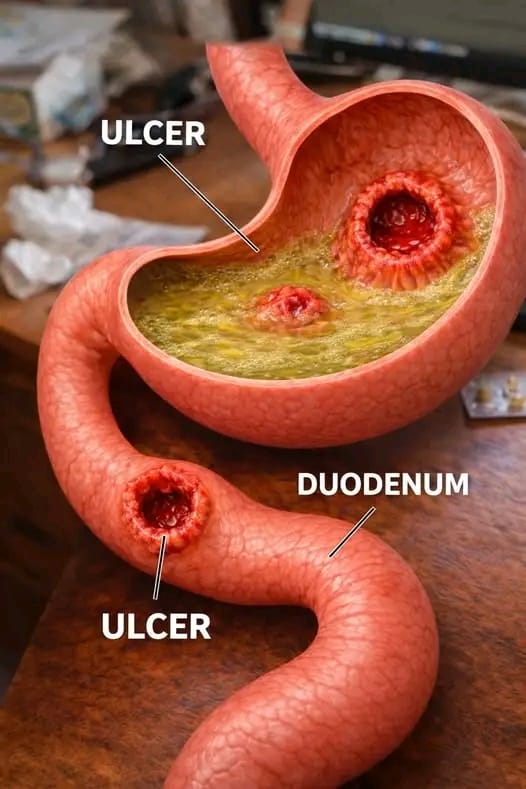
Living with a peptic ulcer can feel frustrating. The burning pain in your stomach or upper abdomen often flares up at the worst times, disrupting meals, sleep, and daily life. Many people find that certain everyday foods seem to make symptoms more uncomfortable, leading to repeated discomfort even while following medical advice. But here’s the good news: paying attention to what you eat can help support your comfort and overall digestive well-being during recovery.
What if some common choices in your diet are quietly working against your progress? In this guide, we’ll explore foods that research and experts suggest may irritate the stomach lining or increase discomfort for those with peptic ulcers. Stick around until the end – there’s a simple daily habit shift that many find surprisingly helpful for feeling more at ease.
Understanding Peptic Ulcers and Diet’s Role
Peptic ulcers are open sores that develop on the inner lining of your stomach (gastric ulcers) or the upper part of your small intestine (duodenal ulcers). Studies show they’re most often linked to Helicobacter pylori infection or long-term use of NSAIDs like ibuprofen, not directly from food. Still, certain foods and drinks can aggravate symptoms by boosting acid production, irritating the lining, or slowing digestion.
Research from sources like the Mayo Clinic and WebMD notes that while no single diet cures ulcers, avoiding personal triggers helps many manage discomfort better. Everyone’s tolerance varies, so tracking what bothers you is key.
Common Foods That May Worsen Discomfort
If you’re dealing with an ulcer, some items might contribute to more frequent or intense symptoms. Here’s a closer look at ones often mentioned in digestive health guidelines.
