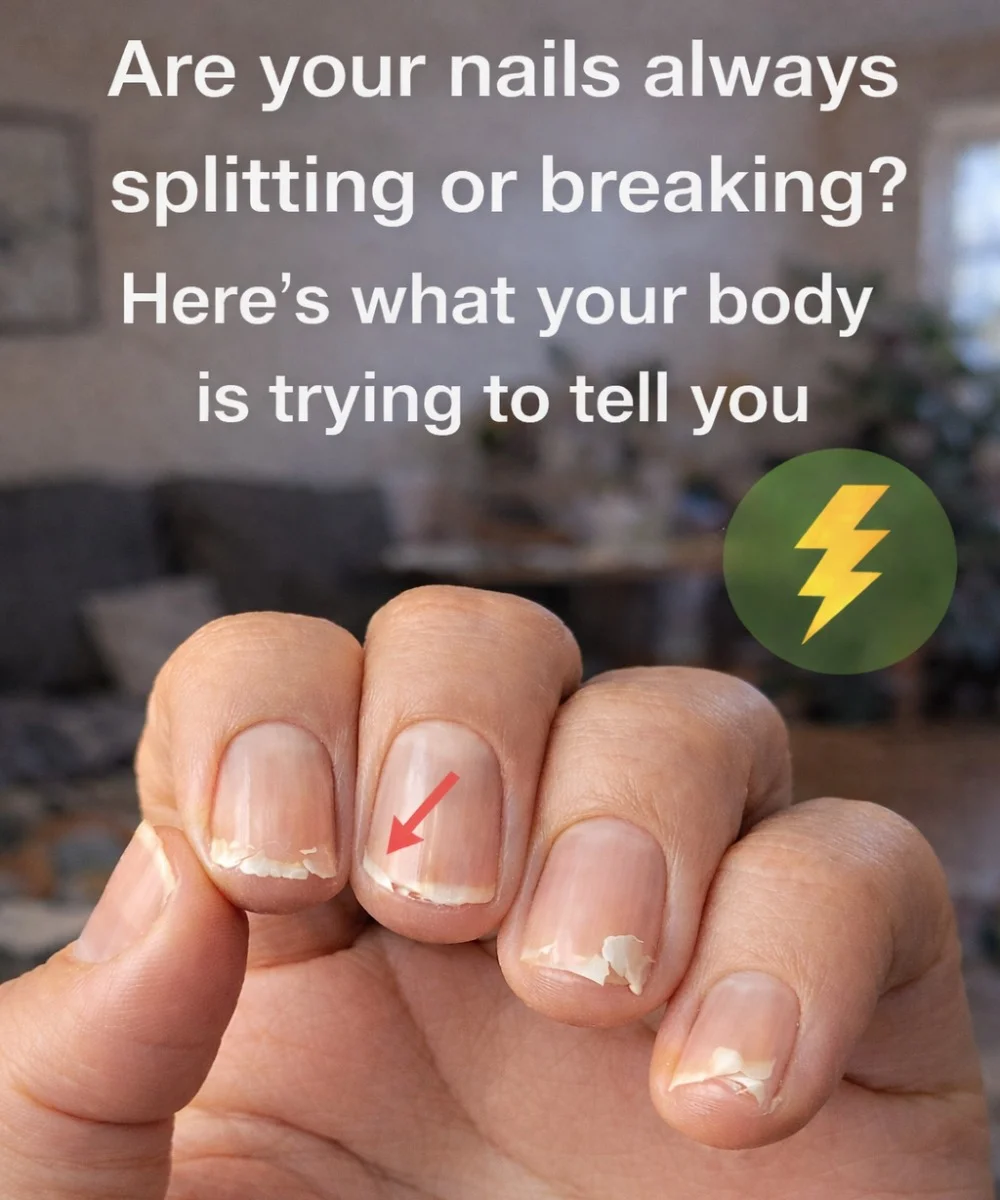
Real-Life Examples of Improvement
Consider Sarah, a busy mom in her 50s whose nails constantly split while doing dishes and gardening without gloves. After starting to wear protective gloves and applying cuticle oil nightly, she saw stronger growth within a few months. “I can finally type without worrying about painful catches,” she said.
Or take John, a 65-year-old retiree whose brittle nails came with ongoing tiredness. A routine check-up revealed low iron. Adding more spinach, beans, and lean protein to his meals—along with guidance from his doctor—helped both his energy and his nails.
These stories show how targeted adjustments often bring meaningful results.
Practical Ways to Support Stronger Nails
Ready to make some changes? Here are evidence-based habits many people find helpful:
- Wear cotton-lined rubber gloves for wet tasks like washing dishes or cleaning. This protects against moisture loss and harsh chemicals.
- Apply a fragrance-free hand lotion or cuticle oil after every hand wash and before bed. Ingredients like jojoba oil help lock in hydration.
- Keep nails trimmed short and file gently in one direction only. Avoid metal files or aggressive buffing.
- Eat a varied diet rich in protein (eggs, fish, beans), iron (leafy greens, fortified cereals), and healthy fats (avocados, nuts).
- Drink plenty of water throughout the day to support overall hydration.
For quick reference, here’s a simple comparison table:
| Approach | How It Helps | Practical Tip |
|---|---|---|
| Protective Gloves | Shields from water and irritants | Use for all wet chores; air-dry inside out |
| Daily Moisturizing | Restores natural oils and flexibility | Massage into nails and cuticles twice daily |
| Balanced Nutrition | Supplies building blocks for keratin | Add one nutrient-rich food per meal |
| Gentle Filing | Prevents tearing of nail layers | File in one direction only, rounded shape |
Step-by-Step Plan to Get Started
- Observe your current routine for a few days—note how often hands get wet or exposed to chemicals.
- Purchase or locate a pair of good gloves and commit to using them for the next week.
- Choose a simple hand lotion and place it by every sink as a reminder.
- Add small dietary tweaks, such as a handful of nuts as a snack or salmon twice a week.
- Check progress after 4–6 weeks. Take photos to compare if you like.
Most people notice gradual improvement with consistency—nails grow about 3-3.5 mm per month, so patience pays off.
When to Consult a Healthcare Professional
If you’ve made lifestyle adjustments for 2–3 months without seeing change, or if you notice additional signs like discoloration, pain, or swelling, speak with a doctor or dermatologist. They can check for nutrient levels or other factors.
