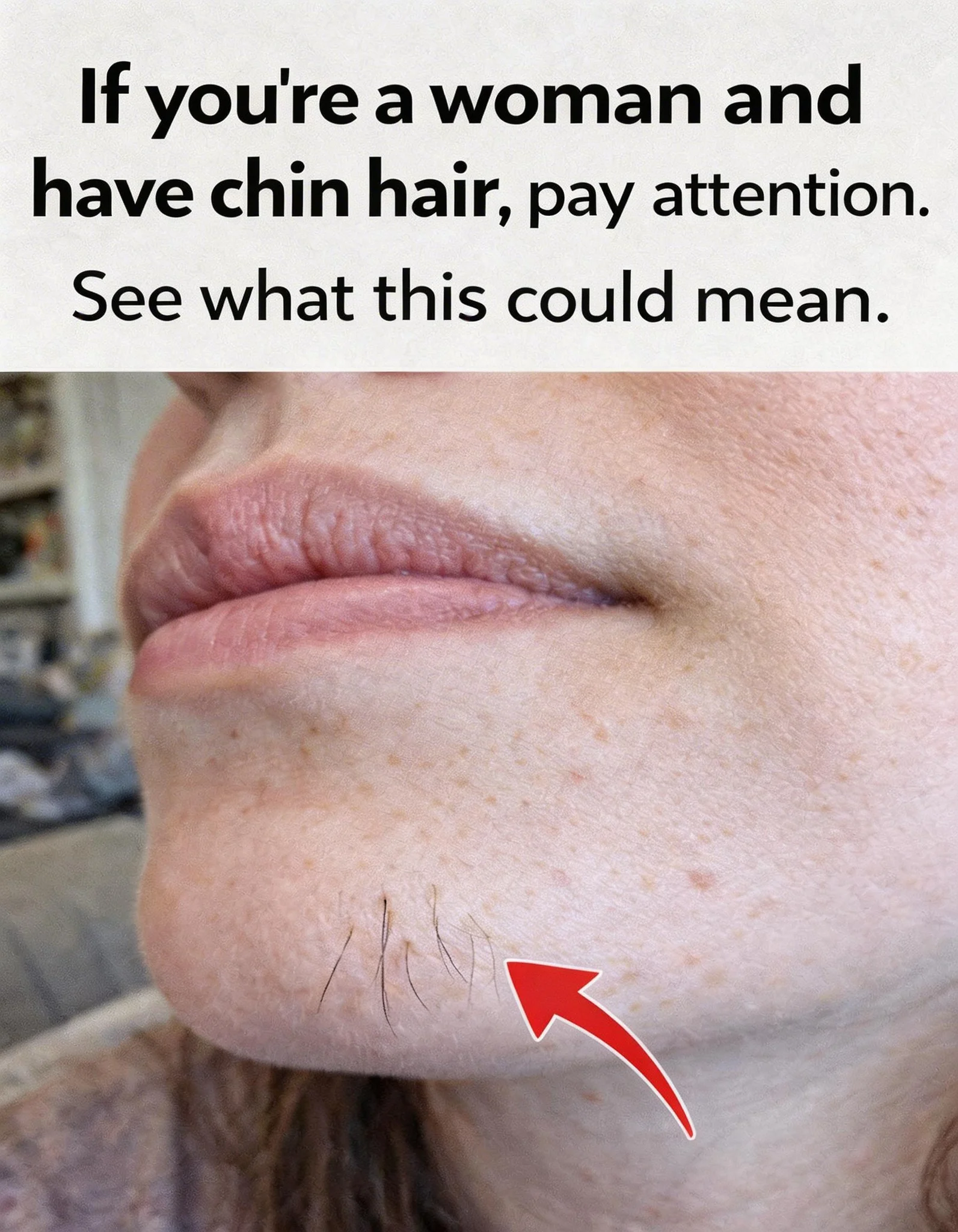
Common Reasons Behind Chin Hair Growth
Several factors can contribute to increased chin hair. Most are harmless, but some point to broader hormonal patterns worth monitoring.
1. Everyday Hormonal Fluctuations
Hormones like testosterone (present in small amounts in women) can influence hair growth. Temporary spikes from stress, lack of sleep, or menstrual cycle phases may make a few hairs stand out more. Studies indicate these fluctuations are common and often resolve on their own.
2. Polycystic Ovary Syndrome (PCOS)
PCOS is one of the most frequent explanations for excess facial hair in women of reproductive age. This condition involves higher androgen levels, which can lead to coarser hair on the chin, upper lip, or other areas.
Other signs often appear alongside it:
- Irregular or missed periods
- Persistent acne
- Difficulty managing weight
- Thinning hair on the scalp
According to organizations like the Endocrine Society and Johns Hopkins Medicine, PCOS affects hormone regulation and is a leading cause of hirsutism (excessive hair growth in male-pattern areas).
3. The Menopause Transition
As estrogen declines during perimenopause and menopause, androgens can have a relatively stronger influence. Many women notice new or increased facial hair, including on the chin, during this natural phase.
This shift is common and discussed widely in women’s health resources, such as those from the Mayo Clinic, where hormonal changes allow existing fine hairs to become more prominent.
4. Family Genetics and Ethnicity
If close relatives have similar hair patterns, it’s likely inherited. Some women have hair follicles that are simply more responsive to normal androgen levels—no imbalance required.
