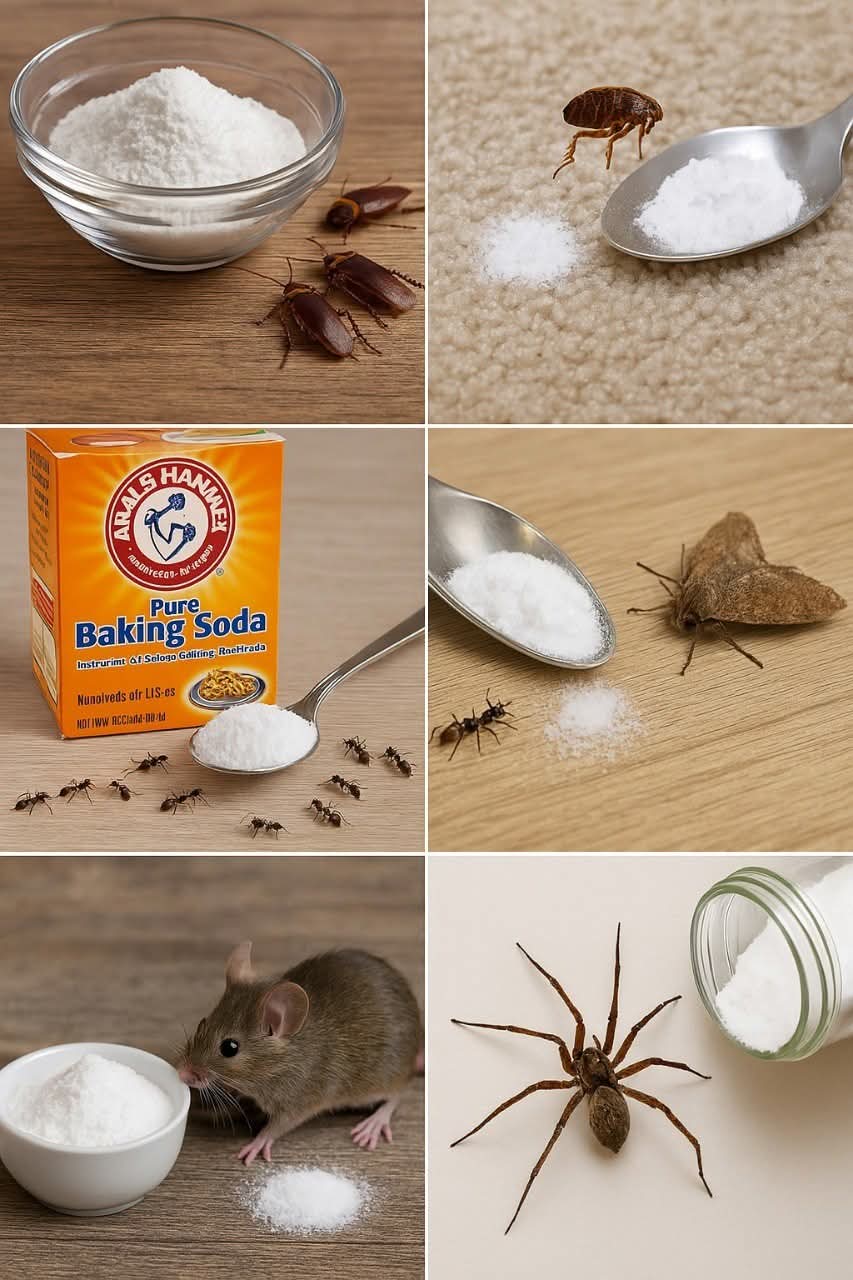
Ants can quickly become a major nuisance when they establish trails into your home. Here’s how to use baking soda to combat them:
Powdered Sugar and Baking Soda Mixture:
Combine equal parts baking soda and powdered sugar (the fine texture matches better than granulated sugar)
Sprinkle the mixture along ant trails and near entry points
The worker ants will carry the mixture back to the colony, affecting the entire ant population
For best results, place the mixture in small container lids to keep it contained
For Ant Mounds Outdoors:
Dampen the ant mound with water
Sprinkle approximately 2 cups of baking soda over the mound
After 30 minutes, pour 1 cup of vinegar onto the mound
The chemical reaction helps eliminate the colony
For Fleas
Fleas can infest carpets, furniture, and pets, causing discomfort and potentially spreading diseases. Baking soda can help in managing these tiny pests:
Carpet Treatment:
Sprinkle a generous amount of baking soda evenly across carpeted areas
For enhanced effectiveness, add equal parts of table salt to the baking soda
Use a broom or brush to work the mixture deep into carpet fibers
Let it sit overnight to dehydrate fleas and their eggs
Vacuum thoroughly the next day and immediately dispose of the vacuum bag outside
Pet Treatment:
Mix 1 teaspoon of baking soda with 1.5 cups of warm water
Apply the diluted solution to your pet’s wet fur during bathtime (avoid the face)
Let it sit for a minute, then rinse thoroughly
Always consult with your veterinarian before trying new treatments on pets
For Rodents
While more challenging to control, rodents like mice and rats can sometimes be deterred using baking soda:
Baking Soda Bait:
Mix 2/3 cup baking soda, 2/3 cup flour, and 2/3 cup sugar
Add a small amount of water to form a dough-like consistency
Roll the mixture into small balls
Place these balls in areas with rodent activity
The mixture causes gas to build up in the rodent’s digestive system
Note: For severe rodent infestations, professional pest control services are usually more effective and humane.
Preventative Measures Using Baking Soda
Beyond treating active infestations, baking soda can be used preventatively:
Natural Repellent Sprays
All-Purpose Pest Repellent:
Mix 1 teaspoon of baking soda with 1 cup of water
Add a few drops of dish soap
Pour into a spray bottle
Apply to areas prone to pest activity
Reapply weekly as a preventative measure
Garden Applications
Plant Fungus Prevention:
Mix 1 tablespoon of baking soda with 1 gallon of water
Add 1 tablespoon of vegetable oil and a few drops of dish soap
Transfer to a spray bottle
Apply to plants to prevent fungal diseases that attract certain pests
Spray once a week, preferably in the morning
Limitations and Considerations
While baking soda offers a natural alternative to chemical pesticides, it’s important to recognize its limitations:
Effectiveness Varies: Results can vary depending on the type of pest and severity of infestation. Professional pest control may be necessary for severe cases.
Not Immediate: Unlike chemical pesticides, baking soda solutions may take longer to produce noticeable results.
Regular Application Needed: Most baking soda treatments require consistent reapplication to maintain effectiveness.
Safety Precautions: Though generally safer than chemical options, keep baking soda mixtures away from children and pets, especially those containing sugar or other attractants.
Complementary Approach: For best results, use baking soda as part of a comprehensive pest management strategy that includes proper sanitation and exclusion methods.
Other Natural Pest Control Companions
For enhanced effectiveness, consider combining baking soda with these other natural pest control methods:
Diatomaceous Earth
This natural powder made from fossilized aquatic organisms has microscopic sharp edges that cut through insect exoskeletons, causing dehydration. It works well in combination with or as an alternative to baking soda.
Essential Oils
Peppermint, tea tree, lavender, and citrus oils can repel various pests. Add a few drops to your baking soda mixtures for added repelling power.
Vinegar
White vinegar is an excellent cleaner that disrupts scent trails left by ants and other insects. The combination of baking soda and vinegar creates a powerful reaction that can eliminate ant colonies.
Complementary Pest Prevention Strategies
For maximum effectiveness, combine baking soda treatments with these preventative measures:
Eliminate Food Sources: Keep food in airtight containers and clean up spills immediately.
Reduce Moisture: Fix leaky pipes and reduce humidity in damp areas.
Seal Entry Points: Caulk cracks, seal gaps around doors and windows, and repair damaged screens.
Regular Cleaning: Vacuum frequently and maintain general cleanliness to discourage pest infestations.
Proper Waste Management: Use sealed trash containers and dispose of garbage regularly.
Best restaurants near meFood-themed tours
Conclusion
Baking soda offers an accessible, affordable, and environmentally friendly option for managing common household pests. While it may not completely replace professional pest control for severe infestations, it provides an effective first line of defense and preventative measure for many common pest problems.
By understanding how to properly use baking soda against different types of pests and combining these methods with good sanitation and prevention practices, you can significantly reduce pest problems in your home without resorting to harsh chemicals. This natural approach not only protects your family and pets from potentially harmful pesticides but also contributes to a healthier environment overall.
Remember that persistence and a multi-faceted approach are key to successful natural pest management. With regular application and proper complementary measures, baking soda can be a valuable tool in your pest control arsenal.
