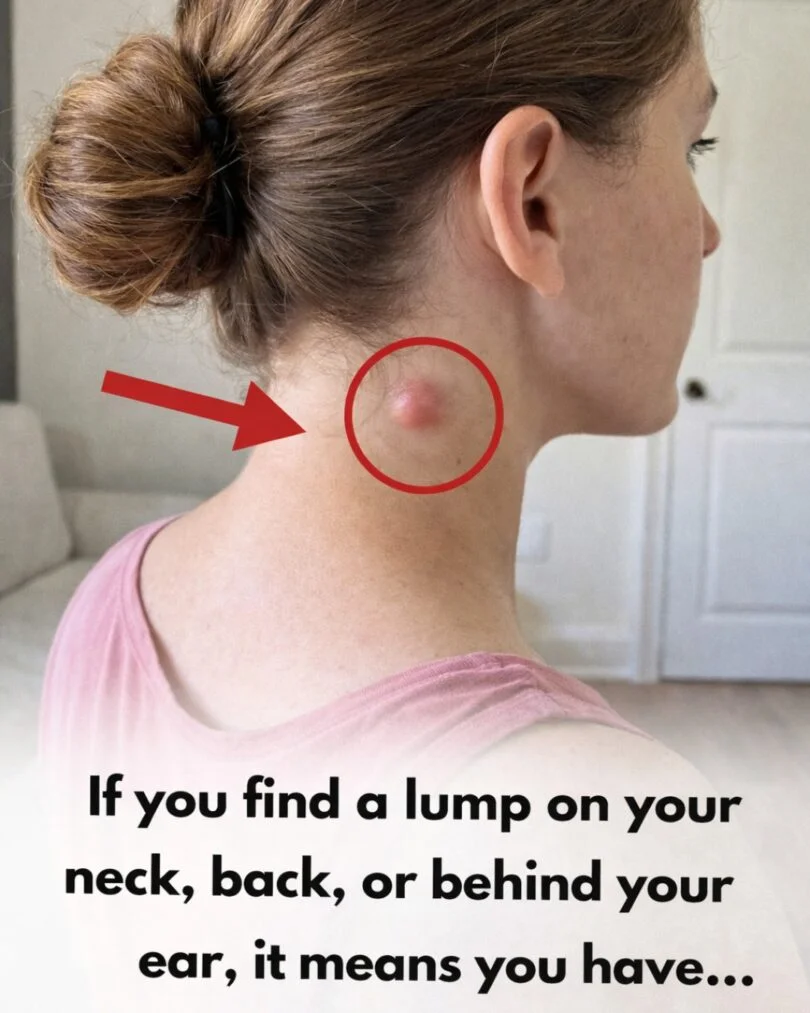
- Epidermoid cysts (often called sebaceous cysts, though technically distinct): These round, firm bumps form when keratin—a protein in skin cells—builds up under the surface, usually from blocked hair follicles or minor trauma. They feel like small peas under the skin and are typically painless unless inflamed.
- Lipomas: Soft, rubbery, movable lumps made of fatty tissue. Studies indicate they grow slowly and are extremely common in adults aged 40-60. You can often slide them around under the skin with your fingers.
- Swollen lymph nodes: These tender, pea-sized nodes appear in areas like the neck, armpits, or groin during infections or inflammation. They usually shrink as the body fights off the issue.
- Other sebaceous-related cysts: Similar to epidermoid types, these arise in oil-producing glands and may become red or sore if irritated.
But that’s not all—some lumps feel unusually hard, irregular, or fixed in place. These warrant prompt evaluation to rule out rarer concerns.
Here’s a quick comparison to help you spot differences:
- Texture: Lipomas feel soft and doughy; cysts often firmer.
- Mobility: Lipomas move easily; many cysts stay more fixed.
- Pain level: Most are painless; pain often signals infection or inflammation.
- Growth speed: Slow for lipomas and cysts; rapid changes raise flags.

What Causes These Lumps to Form?
Lumps and cysts often stem from everyday skin processes gone slightly awry. Blocked glands, trapped skin cells, or fatty tissue overgrowth play key roles. For instance, epidermoid cysts commonly follow skin injuries or acne, while lipomas may have a genetic component—family history increases likelihood in some cases.
