Medication Interactions
If you take prescription drugs or have underlying health conditions, speak with a healthcare professional before using Mimosa pudica in any form.
Quality Control
Ensure the plant material is correctly identified; confusion with other species or contamination can pose risks.
Uses Beyond Tea
Topical Applications: Paste or poultice for minor skin issues or wounds, based on traditional recipes.
Herbal Capsules: Some supplement brands offer Mimosa pudica in capsule form, often marketed for gut health or parasite cleansing.
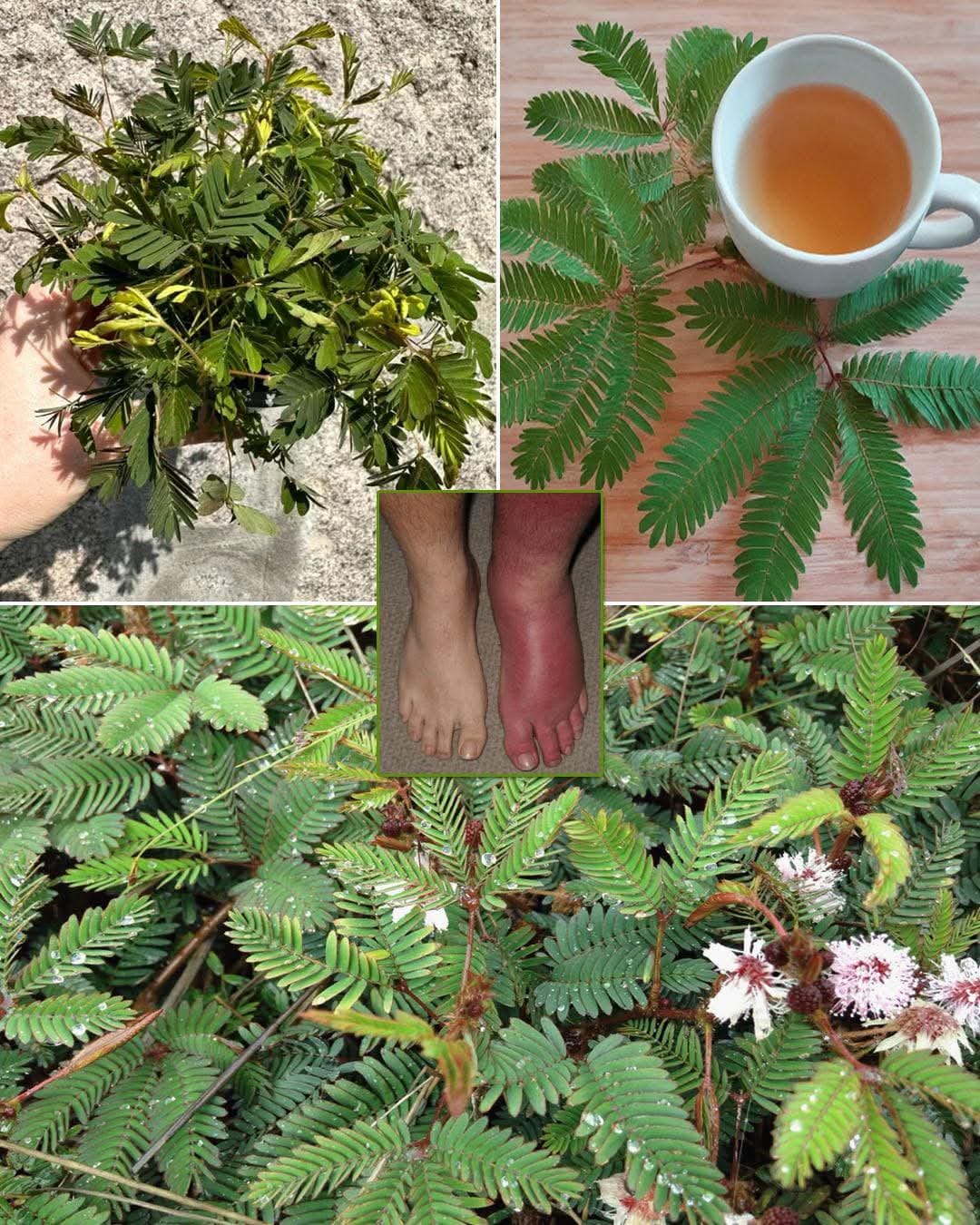
Garden and Ornamental: In addition to medicinal uses, Mimosa pudica is grown as an ornamental plant because of its intriguing leaf movements.
Mimosa pudica tea is an intriguing herbal infusion, rooted in centuries of traditional use. Though modern science has begun exploring the plant’s potential—ranging from antimicrobial to calming properties—conclusive clinical evidence is still in development. If you’re curious about trying Mimosa pudica tea:
Source the leaves responsibly and ensure proper identification of the plant.
Start with small amounts to gauge personal tolerance.
Keep in mind that serious or persistent health issues should be addressed in consultation with a healthcare professional.
As with any herbal remedy, moderation and informed usage are key to reaping potential benefits while minimizing risks.
