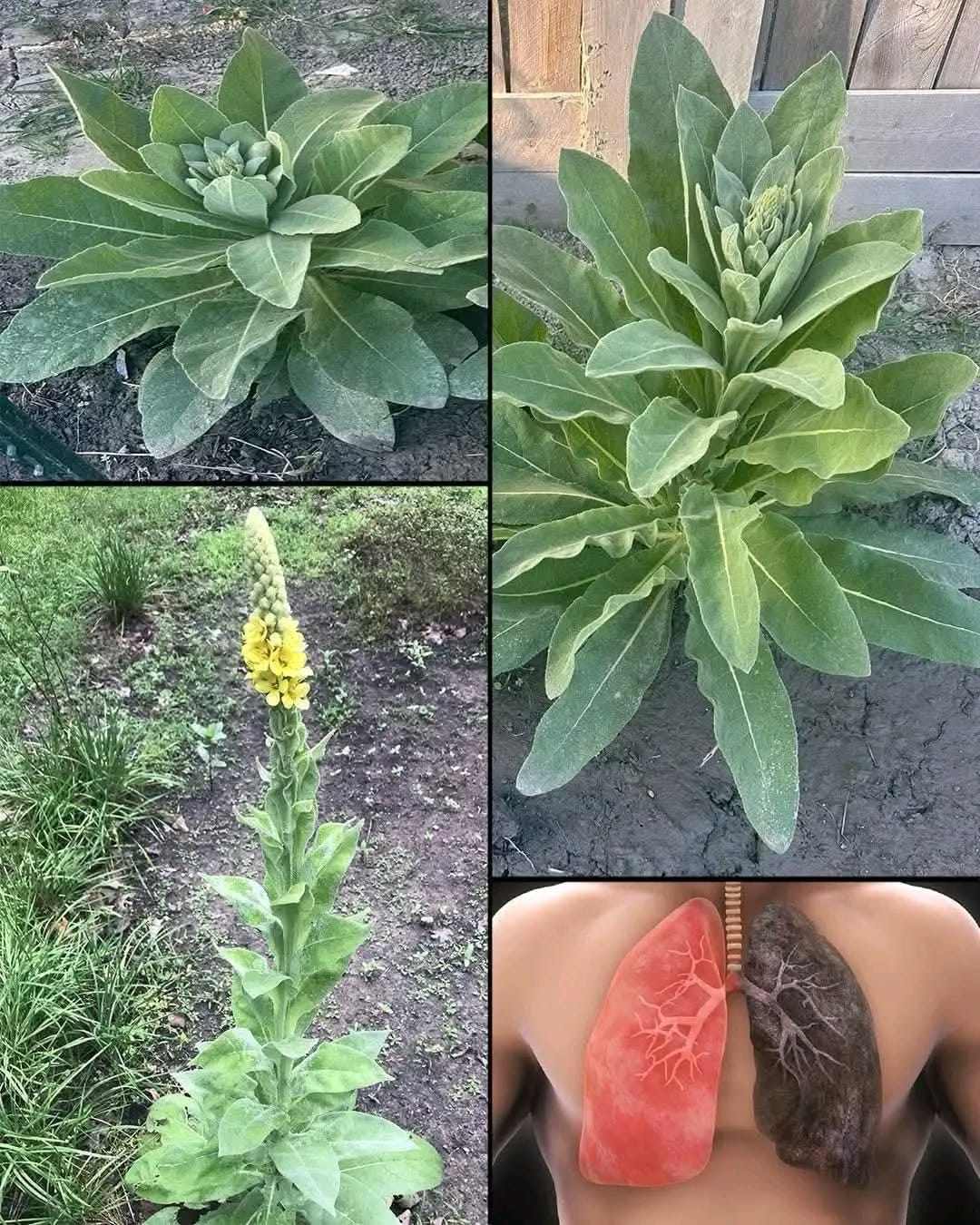
beginners can spot mullein thanks to its unique appearance:First-Year Plant: A low-growing rosette of large, soft, fuzzy leaves. The leaves are grey-green and feel like felt.Second-Year Plant: A tall flowering stalk grows from the center—up to 2 meters tall.Flowers: Small, yellow, five-petaled flowers that bloom in clusters along the stalk.Leaves: Oblong, thick, and densely covered with woolly hairs—this is where the nickname “velvet plant” or “flannel leaf” comes from.Smell: Mild, earthy scent when crushed.Mullein prefers sunny, dry areas like roadsides, pastures, and abandoned fields. When and How to HarvestLeaves: Best harvested during the plant’s first year (spring to early fall), when they are full and clean.Flowers: Collected carefully during the blooming season (mid to late summer).Drying: Lay the leaves flat in a single layer away from sunlight. Store in a dry, dark place in airtight containers. Flowers can be dried the same way.Important Tip: Always harvest from clean areas, far from roads, pesticides, or pollutants.
 How to Use Mullein for Respiratory Health1. Mullein TeaUse 1 tablespoon of dried mullein leaves or flowers per cup of boiling water.Steep for 10–15 minutes.Strain very well to remove the fine hairs (which can irritate the throat).Drink up to 3 cups a day during illness.2.