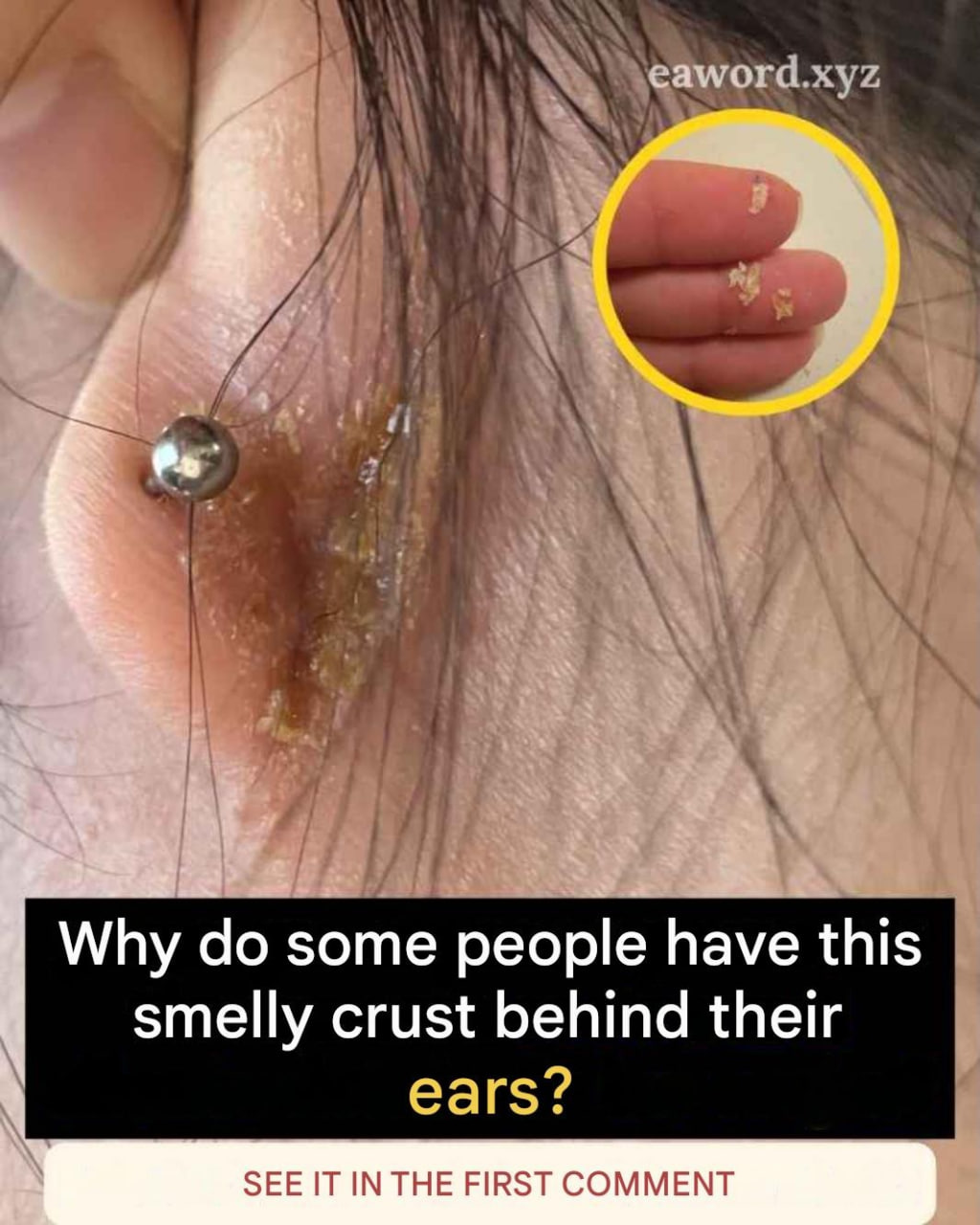
4. Psoriasis
Psoriasis is an autoimmune skin condition that causes thick, well-defined patches covered with silvery scales. It can affect the scalp and extend behind the ears.
5. Minor Skin Infections
Bacteria can enter the skin through small scratches or cracks, leading to localized infections that may produce crusts or scabs. These infections sometimes require medical treatment.
6. Dry Skin
Cold weather, low humidity, or frequent washing can dry out the skin, causing cracks and itching that may result in scabs after scratching.
When Should You See a Doctor?
You should seek medical advice if the scabs:
- Last longer than a few weeks.
- Become painful, swollen, or warm.
- Produce pus or have a foul odor.
- Spread rapidly.
- Are accompanied by fever or significant swelling.
A healthcare professional can identify the underlying cause and recommend the most appropriate treatment.
How Are They Treated?
Treatment depends on the cause and may include:
- Moisturizers for dry skin.
- Medicated shampoos for seborrheic dermatitis.
- Topical corticosteroids for eczema or allergic reactions.
- Antibiotics if a bacterial infection is present.
- Other prescription medications for conditions such as psoriasis.
Avoid picking or scratching the scabs, as this can delay healing and increase the risk of infection.
The Bottom Line
Scabs behind the ears do not automatically indicate a specific disease. They are most commonly caused by conditions such as seborrheic dermatitis, eczema, contact dermatitis, psoriasis, or simple skin irritation. If the problem persists, worsens, or shows signs of infection, it’s best to consult a healthcare professional for an accurate diagnosis and appropriate treatment.
