Variations Around the World
Although WC is widely recognized, different countries have unique ways of labeling restrooms:
-
USA & Canada: “Restroom” or “Bathroom” is common; WC is rare.
-
UK: WC is still used, but “toilet” or “loo” is more colloquial.
-
Germany & Austria: WC is standard; “Toilette” is also common.
-
France: WC is universal, but “toilettes” is frequently written out.
-
Italy: WC is common alongside “gabinetto” or “toilette.”
-
Japan: Modern signs often use WC alongside pictograms, sometimes incorporating English words like “Toilet.”
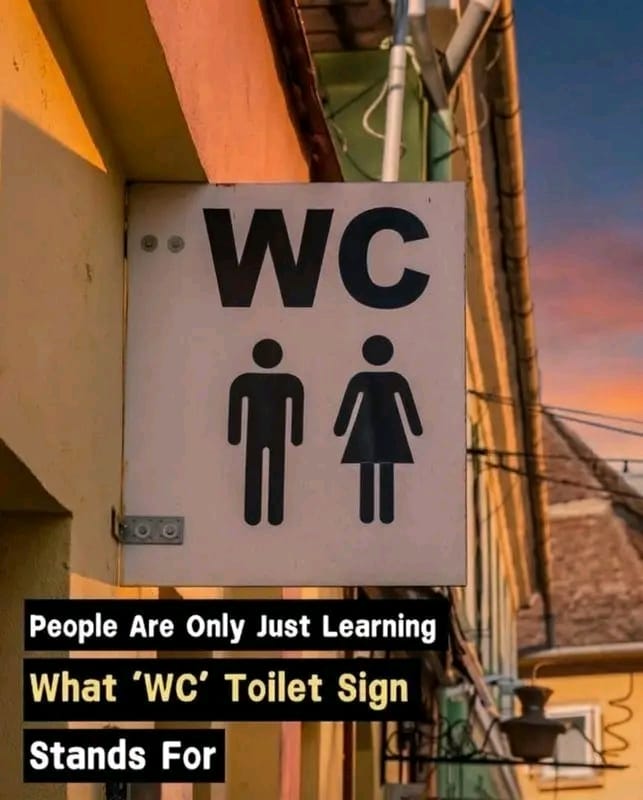
The persistence of WC in many countries highlights its international practicality, even as local terms coexist.
The Role of Public Hygiene and Tourism
The rise of WC signs is closely tied to public hygiene awareness and tourism.
-
Hygiene: In the 19th and early 20th centuries, urbanization and growing populations made sanitation a critical public health issue. Water closets and their signs helped communicate where safe facilities were located.
-
Tourism: Travelers unfamiliar with local languages needed easily recognizable restroom signage. WC became a visual shorthand understood across borders, helping tourists navigate cities, train stations, and airports.
In this way, WC is not just a term; it’s a symbol of modernity, sanitation, and global accessibility.
WC in Modern Times
Today, WC remains a fixture on signage, particularly in Europe and parts of Asia. Its meaning has shifted slightly from the original “water closet” definition. Modern facilities labeled WC may include toilets, urinals, and sometimes showers — not always literal water closets.
Interestingly, despite decades of alternative terminology, WC persists because of habit and recognition. Travelers, signage designers, and public institutions continue to use WC because it works.
Moreover, WC has entered digital spaces: maps, travel guides, apps, and booking sites often use WC to denote restroom locations. This further cements its global status.
