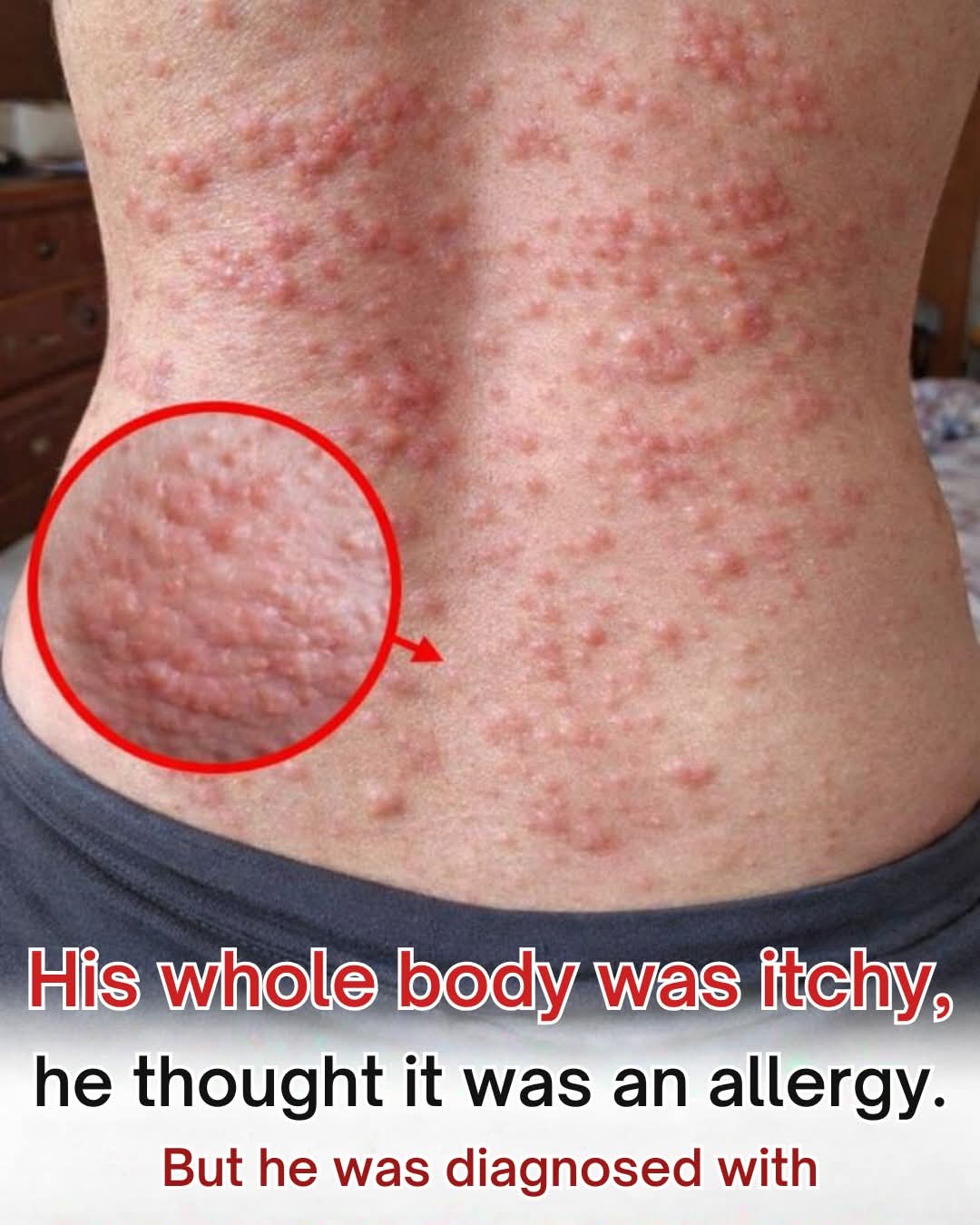
In kids, this is more common than many realize. Research shows that around 15% of children under 10 experience at least one episode of acute hives, and for some, it transitions into a chronic form. The welts result from mast cells releasing histamine and other chemicals, causing fluid to leak from tiny blood vessels in the skin.
Often, chronic hives in children come with angioedema—deeper swelling that might affect the eyelids, lips, or hands—and this can feel more uncomfortable than just itchy.
Acute vs. Chronic vs. Physical Urticaria: Breaking It Down
- Acute urticaria — Typically lasts under six weeks and often links to a clear trigger like a viral infection, food, or medication.
- Chronic urticaria — Persists beyond six weeks; in many cases (especially spontaneous types), the exact cause isn’t identified despite thorough checks.
- Physical (inducible) urticaria — Triggered by external factors such as scratching (dermatographism), cold exposure, pressure from clothing, heat/sweating, or even sunlight.
Common contributors in children include viral infections, emotional stress, allergies, or certain medications. Studies indicate that in pediatric cases, infections are a frequent factor in acute episodes, while chronic ones are more likely idiopathic (no clear cause).
