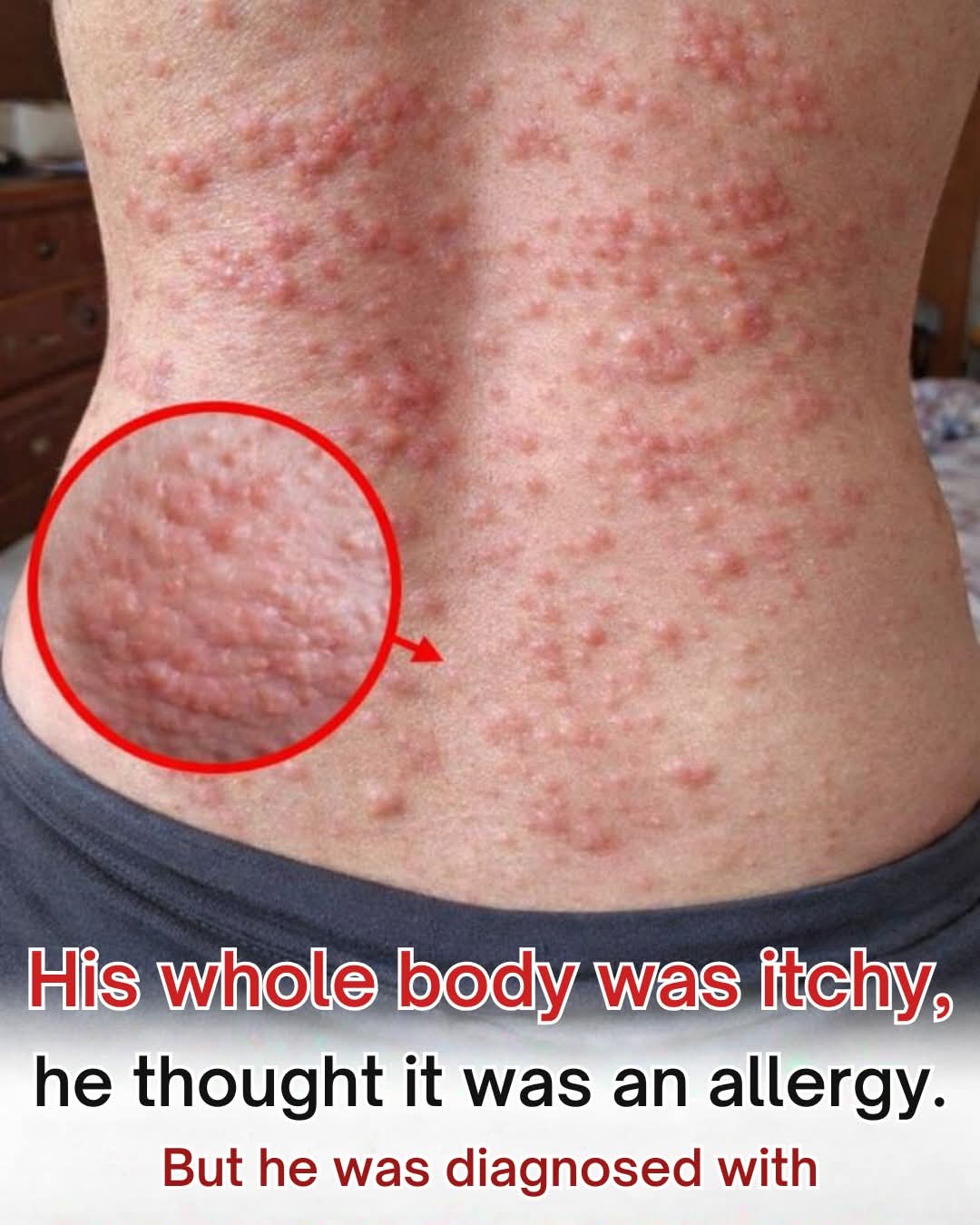
But that’s not all—many parents notice patterns that point to everyday influences rather than dramatic allergens.
Recognizing the Signs and When It’s Time to Seek Help
Your child’s hives might start small and spread, change shape, or appear in clusters. They can affect any body area and often worsen with scratching. Accompanying swelling (angioedema) tends to last longer and feel more tender.
Most hives resolve on their own quickly, but when they drag on for months like in your situation, it’s essential to consult a healthcare professional. Guidelines from pediatric experts recommend seeing a doctor if:
- Hives last more than six weeks
- Symptoms interfere with daily life, sleep, or school
- There’s swelling in the face, mouth, or throat
- New symptoms appear, like breathing issues, fever, or joint pain
A pediatrician or allergist can review history, perform exams, and suggest next steps—often starting with basic tests if needed. Early input helps rule out rarer issues and tailors support.
Everyday Strategies to Help Manage Discomfort at Home
While no home approach replaces professional advice, these practical steps can ease symptoms and support skin comfort. Focus on gentle, consistent habits.
