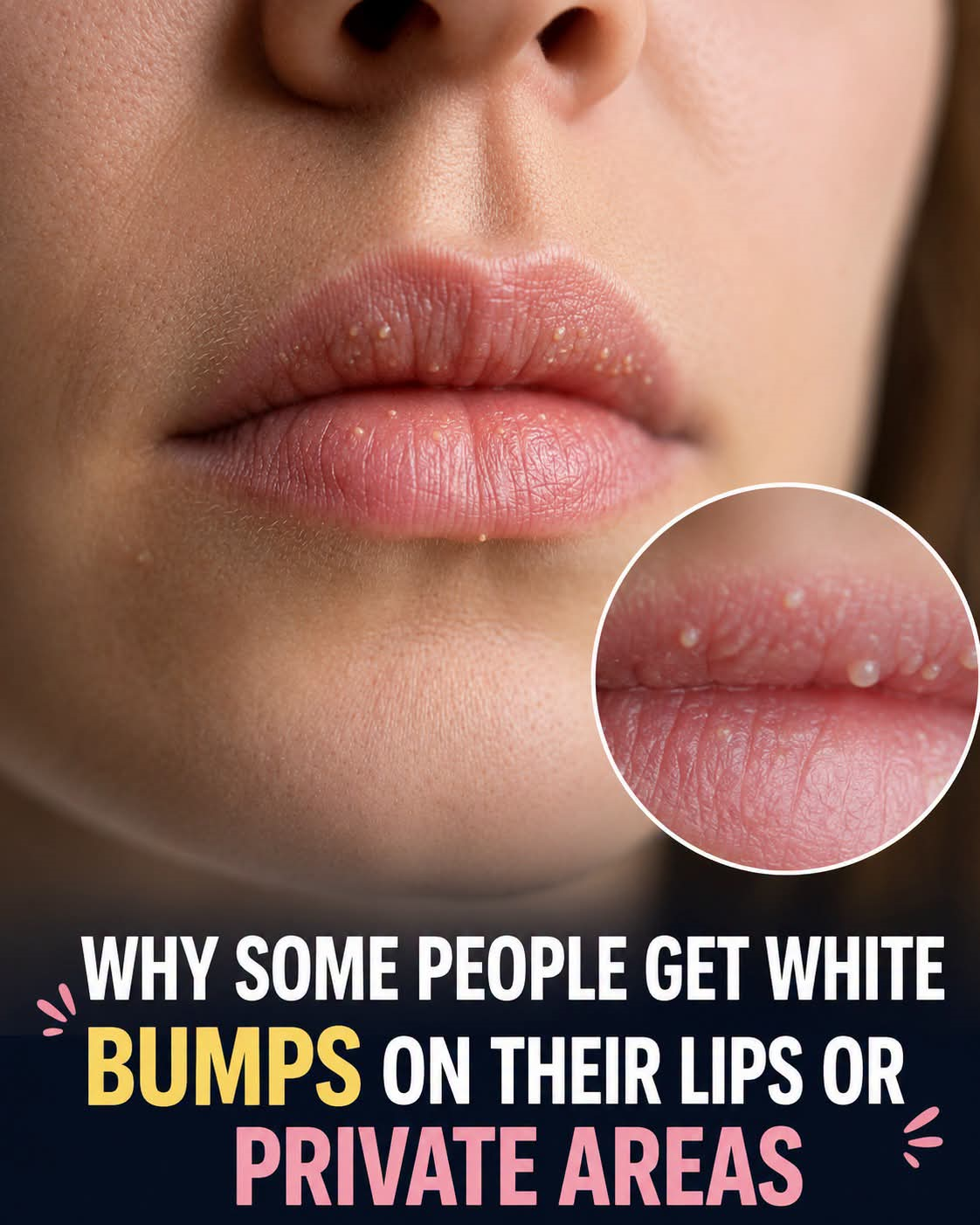
3. Fordyce Spots
Fordyce spots are tiny, pale white or yellowish bumps that appear under the skin of the lips. They are enlarged sebaceous (oil) glands and are completely harmless. These spots are often more noticeable when the lips are stretched and may appear in clusters.
Dermatologists agree that Fordyce spots are not contagious and do not require treatment. While they may cause cosmetic concern, the only medical option for removal is laser treatment. Picking or squeezing them should be avoided, as this can damage the skin.
4. Acne or Lip Pimples
White bumps around the edges of the lips may be acne pimples caused by clogged pores. Oil, dead skin cells, and bacteria can build up and lead to inflammation and a white-headed spot.
Natural Treatment for Lip Pimples
Tea tree oil is a popular natural remedy due to its antibacterial and anti-inflammatory properties. Applying a small amount directly to the affected area with a cotton swab can help reduce infection and swelling. Regular application may speed up healing and prevent further breakouts.
5. Oral Thrush
Oral thrush is a fungal infection caused by an overgrowth of Candida yeast. It can lead to white patches or bumps on the lips, tongue, throat, and inside the mouth. The affected areas may also be red, cracked, or sore.
Factors that increase the risk of oral thrush include antibiotic use, a weakened immune system, diabetes, stress, and hormonal changes.
Prevention and Natural Treatment
Good oral hygiene and limiting sugary or yeast-containing foods can help prevent thrush. Apple cider vinegar, which contains acetic acid, has antifungal properties and may help control Candida growth when diluted and applied carefully to affected areas.
6. Milia Spots
Milia are small, firm white bumps that form when keratin becomes trapped beneath the skin’s surface. They commonly appear around the eyes but can also develop near the lips. Milia are harmless and often disappear on their own without treatment.
When White Lip Bumps May Be Serious
In rare cases, a hard white bump on the lip that does not heal could indicate lip or oral cancer. According to the National Cancer Institute, warning signs include persistent sores, thickened patches, or unexplained white or red areas on the lips or inside the mouth.
Early diagnosis is crucial for effective treatment. If you notice a lip bump or sore that does not improve after several weeks, becomes painful, or changes in appearance, you should consult a healthcare professional as soon as possible.
