Short link: https://short.pageviewpro.com/Eto8js
A doctor may examine the affected fingers, ask about symptoms, and review the patient’s medical history.
Depending on the suspected cause, additional tests may include:
- X-rays: To identify bone changes, arthritis, or bone spurs.
- Blood tests: To check for signs of inflammation or conditions such as rheumatoid arthritis and gout.
- Ultrasound: To examine soft tissues and identify fluid-filled cysts.
- MRI: To provide more detailed images when necessary.
The appropriate tests depend on the location, appearance, and symptoms associated with the lump.
Treatment Options
Treatment depends on the underlying cause. Some lumps do not require treatment if they are harmless and do not interfere with daily activities.
Possible treatment approaches include:
- Medication: Anti-inflammatory medicines may help reduce pain and swelling.
- Physical therapy: Gentle exercises can improve flexibility and maintain joint movement.
- Lifestyle changes: Protecting the hands from excessive strain and avoiding repetitive activities may help reduce discomfort.
- Medical procedures: Certain cysts may be drained, while other growths may require surgical treatment if they cause significant problems.
It is important not to squeeze, puncture, or attempt to remove a lump at home, as this may cause infection or further injury.
Final Thoughts
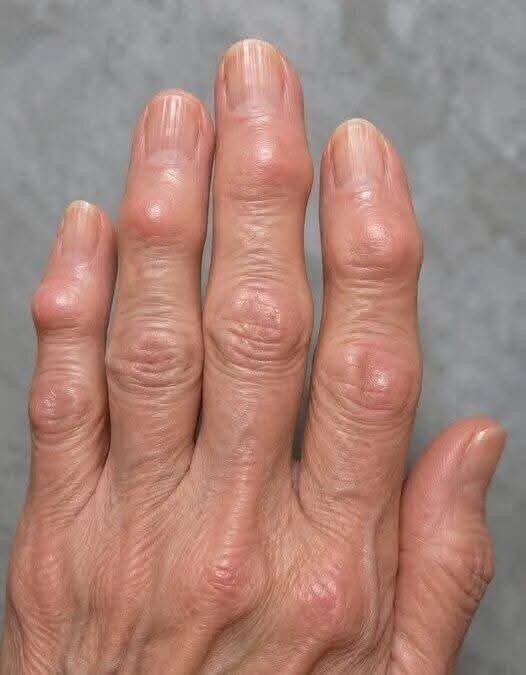
Hard lumps on finger joints can have several causes, ranging from common age-related changes to inflammatory conditions such as rheumatoid arthritis and gout.
Although many of these lumps are harmless, paying attention to changes in their size, appearance, and associated symptoms is important.
Early evaluation can help identify the underlying cause and ensure appropriate treatment. If a lump is painful, growing, or affecting normal finger movement, seeking medical advice is the safest approach.