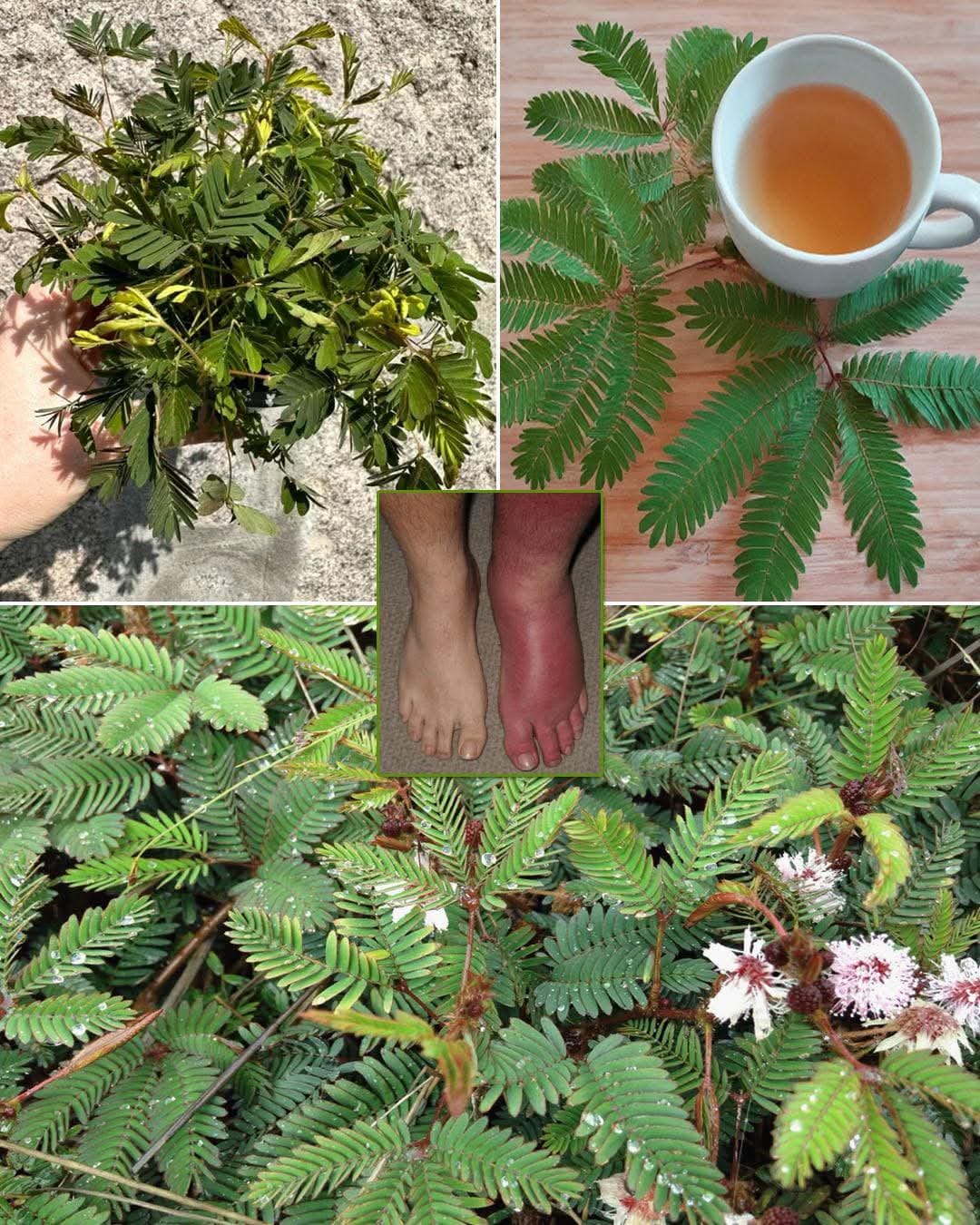
Anti-Inflammatory Potential
Folk medicine occasionally employs Mimosa pudica for its possible anti-inflammatory effects, applying it externally for minor wounds or skin irritations.
Consuming the tea is sometimes believed to help with mild inflammation internally, though more research is needed to confirm these claims.
Wound Healing and Skin Health
Topical preparations (pastes, poultices) made from the leaves or roots have been used for minor cuts or rashes, suggesting potential benefit in skin repair.
The tea, when cooled and used as a wash, may also be applied to certain skin irritations.
Calming and Relaxation
Some traditional sources cite Mimosa pudica for its mild sedative or relaxing properties, potentially helping ease occasional anxiety or promote better rest.
Modern evidence is not extensive, but anecdotal reports suggest gentle relaxation effects.
How to Prepare Mimosa Pudica Tea
Sourcing the Plant
Use only organically grown Mimosa pudica, free from pesticides or contaminants.
If you don’t grow it at home, try to find a reputable herbal supplier.
Drying the Plant
Harvest the leaves (and possibly tender stems), then rinse gently to remove any dirt.
Air-dry them in a warm, shady spot with good airflow until they are crisp and can be crumbled.
Brewing Instructions
Ingredients: ~1 teaspoon of dried Mimosa pudica leaves (per 1 cup of water).
Steps:
Boil fresh, filtered water.
Pour the hot water over the dried leaves in a teapot or cup.
Cover and let steep for 5–10 minutes.
Strain and serve. You may add honey or lemon to taste.
Flavor Profile
Mimosa pudica tea can have a mild, slightly earthy or herbal taste. Adjust steeping time or quantity of leaves to preference.
Precautions and Safety Considerations
Lack of Extensive Research
While Mimosa pudica has been used in traditional medicine, large-scale scientific studies are limited. Its safety and efficacy for certain health conditions are not well-established.
Possible Side Effects
Some individuals may experience gastrointestinal discomfort or allergic reactions.
If you notice any adverse effects (nausea, itching, rash, etc.), discontinue use and consult a healthcare professional.
Pregnancy and Breastfeeding
Due to limited research, it’s best for pregnant or nursing women to avoid Mimosa pudica tea unless advised by a qualified healthcare provider.